FFacts On Tap Editorial Team Fact-checkedUpdated March 23, 20264 min read
Share
Tap dance is a mesmerizing style of percussive dance defined by the rhythmic sound of tap shoes striking the floor. Born from a fusion of African rhythmic footwork, Irish step dancing, and English clog dancing, it grew into a deeply expressive American art form that has captivated audiences for well over a century.
From vaudeville stages to Hollywood musicals, tap dance has produced legendary performers and enduring traditions. Here are the facts behind this dazzling dance style.
Tap dance developed in 19th-century America from a blend of African tribal and rhythmic dance traditions, Irish step dancing, and English Lancashire clog dancing, brought together largely through the shared entertainment culture of enslaved and immigrant communities.
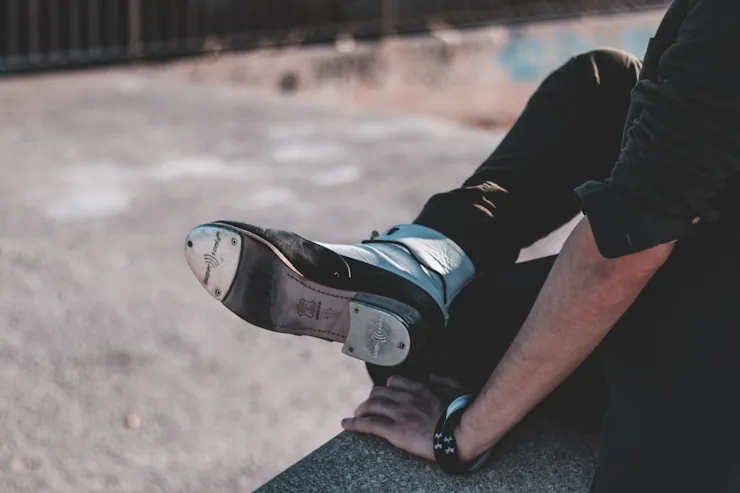
Modern tap shoes have metal plates called "taps" fastened to the heel and toe; striking these against a hard floor creates the dance's signature percussive sound.
Early tap dancers performed in hard-soled leather or wooden-heeled shoes, and dancers later experimented with hobnails and metal plates before the modern screw-on metal tap became standard in the early 20th century.
Bill "Bojangles" Robinson, famous for dancing with Shirley Temple in several 1930s films, is one of the most celebrated tap dancers in history and is credited with bringing tap up onto its toes for a lighter, more upright style.
Other legendary tap dancers include Fred Astaire, Gene Kelly, and Gregory Hines, each of whom helped popularize and evolve the art form through film and stage performances.
The Nicholas Brothers, Fayard and Harold Nicholas, were celebrated for their acrobatic "flash" tap style, including gravity-defying leaps and splits, during the Harlem Renaissance and the golden age of Hollywood musicals.
Tap dance rose to popularity in the United States through vaudeville and became a fixture of the film industry, especially in the movie musicals of the 1930s and 1940s.
National Tap Dance Day is celebrated on May 25th in the United States, marking the birthday of Bill "Bojangles" Robinson (born May 25, 1878). Congress designated the day in 1989, and it was first observed that same year.
Tap styles range from "rhythm tap," which emphasizes musicality and intricate footwork, to "Broadway" or "show tap," which incorporates more full-body movement and theatrical staging.
Although it originated in the United States, tap dance has spread worldwide, with active scenes in countries including Japan, Australia, and the United Kingdom.
The Shim Sham Shimmy, often called tap's unofficial national anthem, grew out of a routine called "Goofus" created by Leonard Reed and Willie Bryant in the late 1920s; it was renamed and popularized through the 1930s and is still performed today as a group finale.
Improvisation is central to tap dance, much like jazz music, with dancers often creating spontaneous rhythms and steps in the moment, making each performance unique.
Tap dance has influenced other dance forms through its use of rhythm and syncopation, contributing to the development of styles such as street dance and contemporary jazz dance.
Tap dance can be performed to nearly any style of music; while it is traditionally paired with jazz, dancers regularly tap to classical, pop, rock, and electronic music.
Gregory Hines helped spark a tap dance revival in the 1980s, blending traditional rhythm tap with modern improvisation and bringing the art form back into mainstream popularity through films like "Tap" (1989).
Frequently asked questions
What is the significance of metal taps in tap shoes?
Metal taps on the heel and toe are what produce tap dance's distinctive percussive sound, letting dancers use their feet like drums to create rhythms and beats.
How has tap dance influenced modern dance forms?
Tap dance's emphasis on rhythm and syncopation has influenced later styles such as street dance and contemporary jazz dance.
Can tap dance be performed to any type of music?
Yes. While tap is traditionally associated with jazz, dancers regularly perform to classical, pop, rock, and electronic music as well.
What are some ways to learn tap dance?
Tap dance can be learned at dance studios, workshops, and through online classes, and many communities host informal "tap jams" where dancers of all levels practice together.
Is tap dance suitable for all ages?
Yes, tap dance is enjoyed by people of all ages, from young children to seniors, and is a fun way to build rhythm, coordination, and fitness.
When is National Tap Dance Day?
National Tap Dance Day is celebrated every year on May 25th, the birthday of legendary tap dancer Bill "Bojangles" Robinson.
We write every article to be genuinely fun — and genuinely true. Each fact is checked against reputable sources before it goes live. Spotted something off? Tell us and read our fact-check policy.