FFacts On Tap Editorial Team Fact-checkedUpdated September 6, 20233 min read
Share
Anteaters may not be the first animal that comes to mind when picturing an exotic creature, but these long-snouted insect specialists are among the most unusual mammals on the planet. Found only in Central and South America, they've traded teeth for a tongue that can flick faster than you can blink.
Here's a fact-checked look at how anteaters eat, move, and survive in the wild.
Anteaters are native to Central and South America.
There are four living species of anteater: the giant anteater, the southern tamandua, the northern tamandua, and the silky anteater.
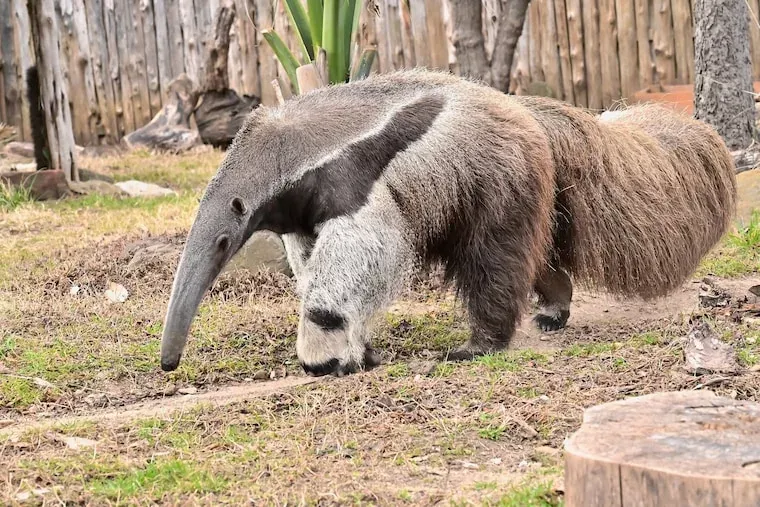
The giant anteater is the largest of the four species, reaching about 6 to 8 feet in total length from nose to tail tip.
Despite the name, anteaters eat termites just as readily as ants.
Anteaters rely on their long snouts and a keen sense of smell to sniff out insect colonies.
Anteaters have no teeth at all; they use a long, sticky, saliva-coated tongue to capture prey instead.
A giant anteater's tongue can flick in and out of its mouth up to 150 times per minute.
Anteaters have poor eyesight but compensate with an excellent sense of smell.
Anteaters use their strong, curved front claws to tear open ant and termite mounds.
Anteaters have an unusually low body temperature for a mammal and a slow metabolism, which helps them conserve energy.
A giant anteater can eat 30,000 or more ants and termites in a single day, visiting up to 200 different nests to avoid depleting any one colony.
Giant anteaters aren't defenseless, but they do have real predators, including jaguars and pumas, which prey on them especially in parts of Brazil's Cerrado region.
Anteaters walk on the knuckles of their front feet to keep their long digging claws from touching the ground.
The giant anteater is listed as Vulnerable on the IUCN Red List due to habitat loss, hunting, and road accidents.
Anteaters are largely solitary and typically only come together to mate.
Giant anteaters live around 15 to 18 years in captivity; wild lifespans are generally shorter and harder to measure precisely.
Anteaters have a specialized digestive system that helps them process large quantities of ant and termite exoskeletons, which they swallow whole.
A baby giant anteater rides on its mother's back for up to a year, camouflaged by matching fur patterns.
Anteaters are generally non-aggressive and prefer to flee rather than fight, but a cornered giant anteater can rear up and slash with its claws hard enough to seriously injure an attacker.
By consuming huge numbers of ants and termites, anteaters help regulate insect populations in their ecosystems.
Giant anteaters are capable swimmers and will cross rivers or use water to escape predators.
The silky anteater, the smallest of the four species, is nocturnal, tree-dwelling, and weighs less than a pound.
Frequently asked questions
What is the difference between anteaters and aardvarks?
They're unrelated animals that just look similar. Anteaters live in Central and South America and belong to the order Pilosa, while aardvarks live in Africa and are the only living species in their own order, Tubulidentata.
Can anteaters be kept as pets?
No. Anteaters are wild animals with specialized dietary and habitat needs that most people can't provide, and keeping one privately is restricted or illegal in many places.
Are anteaters dangerous to humans?
Anteaters are not aggressive and usually flee from threats, but a giant anteater that feels cornered can rear up and strike with its powerful claws, which has caused serious injuries in rare cases.
What is the lifespan of an anteater?
Giant anteaters typically live around 15 to 18 years in captivity, with wild lifespans generally somewhat shorter due to predation and environmental hazards.
Do anteaters have any natural predators?
Yes. Giant anteaters are preyed on by jaguars and pumas, particularly in parts of Brazil, even though their size and claws make them a difficult target.
What is the conservation status of anteaters?
The giant anteater is listed as Vulnerable on the IUCN Red List because of habitat loss, hunting, and road mortality. The tamanduas and silky anteater are currently considered species of Least Concern.
We write every article to be genuinely fun — and genuinely true. Each fact is checked against reputable sources before it goes live. Spotted something off? Tell us and read our fact-check policy.