FFacts On Tap Editorial Team Fact-checkedUpdated July 13, 20263 min read
Share
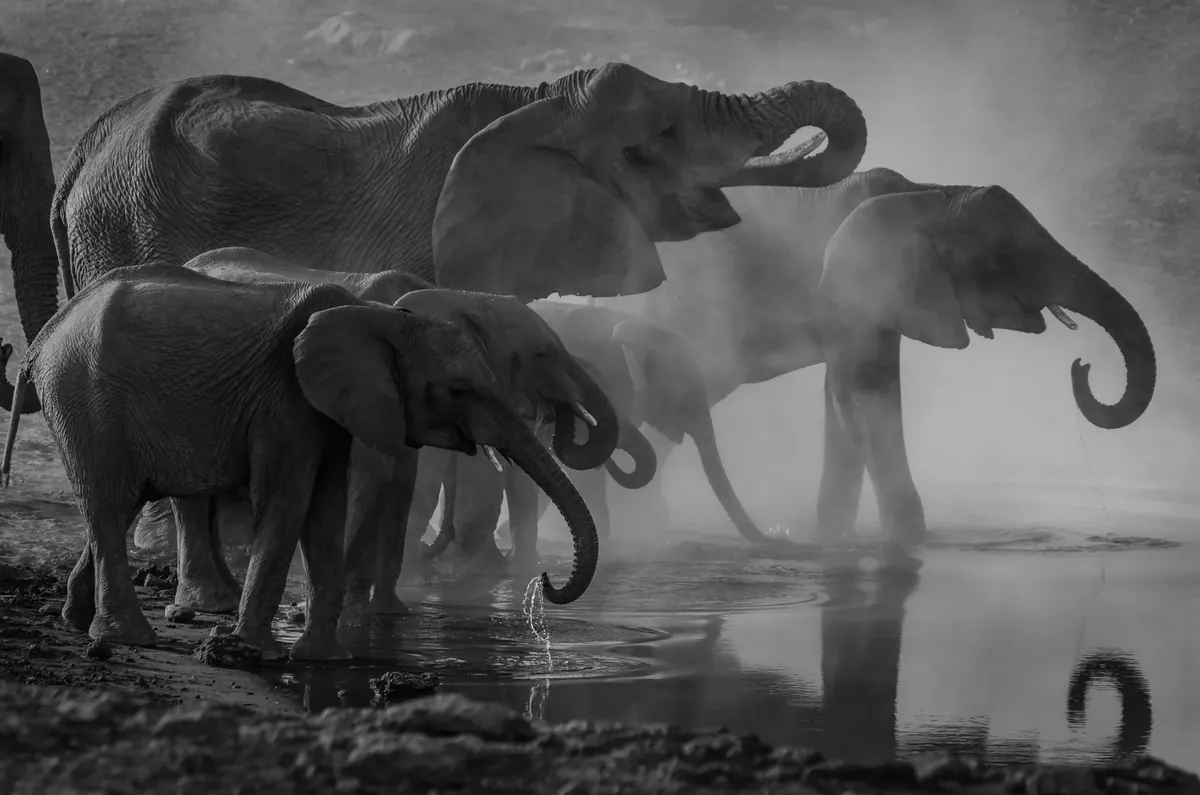
Elephants are among the most intelligent and socially complex animals on Earth, instantly recognizable by their long trunks, broad ears, and curved tusks. Found across Africa and Asia, these gentle giants live in tight-knit family herds and display memory, empathy, and problem-solving skills that rival many primates.
Here are verified facts about elephants, from their record-breaking pregnancies to their remarkable ability to recognize themselves in a mirror.
There are three living species of elephant: the African bush elephant, the African forest elephant, and the Asian elephant.
African bush elephants are the largest land animals on Earth, with large males weighing up to about 14,000 pounds (6,350 kg).
Asian elephants are smaller than their African cousins, with large males weighing up to roughly 11,000 pounds (5,000 kg).
Elephants are herbivores that can eat several hundred pounds of food a day, including grass, leaves, fruit, and bark.
Elephants communicate through a mix of vocalizations, body language, and touch, including deep infrasonic rumbles that are too low for humans to hear but can travel for miles.
Elephants have excellent long-term memories and can recognize other elephants, people, and locations for years, even decades.
Elephants are highly social and live in matriarchal herds led by the oldest and most experienced female.
Wild elephants can live 60 to 70 years, making them one of the longest-lived land mammals.
Elephants are one of the few animals known to recognize themselves in a mirror, a sign of self-awareness shared with great apes, dolphins, and magpies.
Elephants have an exceptional sense of smell and are believed to be able to detect distant water sources, in some cases from several miles away.
Elephants are strong swimmers and can use their trunks as natural snorkels while swimming in deep water.
Elephant pregnancies last about 22 months, the longest gestation period of any mammal.
An elephant's trunk contains no bones and is packed with tens of thousands of muscles, giving it the strength to uproot trees and the precision to pick up a single blade of grass.
Elephants are a keystone species: by knocking down trees, digging waterholes, and dispersing seeds through their dung, they help shape the habitats that many other species depend on.
Both male and female African elephants can grow tusks, while among Asian elephants tusks are typically only found in males.
Frequently asked questions
What is the lifespan of an elephant?
Wild elephants typically live 60 to 70 years, making them among the longest-lived land mammals.
What do elephants eat?
Elephants are herbivores that eat grass, leaves, fruit, and bark, consuming several hundred pounds of vegetation a day.
How do elephants communicate with each other?
Elephants combine vocal calls, body language, and touch to communicate, including low-frequency rumbles that can travel long distances and are inaudible to humans.
How many species of elephant are there?
There are three living species: the African bush elephant, the African forest elephant, and the Asian elephant.
Can elephants swim?
Yes, elephants are capable swimmers and can use their trunks like snorkels to breathe while swimming in deep water.
How long is an elephant's pregnancy?
An elephant's gestation period lasts about 22 months, the longest of any mammal.
We write every article to be genuinely fun — and genuinely true. Each fact is checked against reputable sources before it goes live. Spotted something off? Tell us and read our fact-check policy.