FFacts On Tap Editorial Team Fact-checkedUpdated July 4, 20234 min read
Share
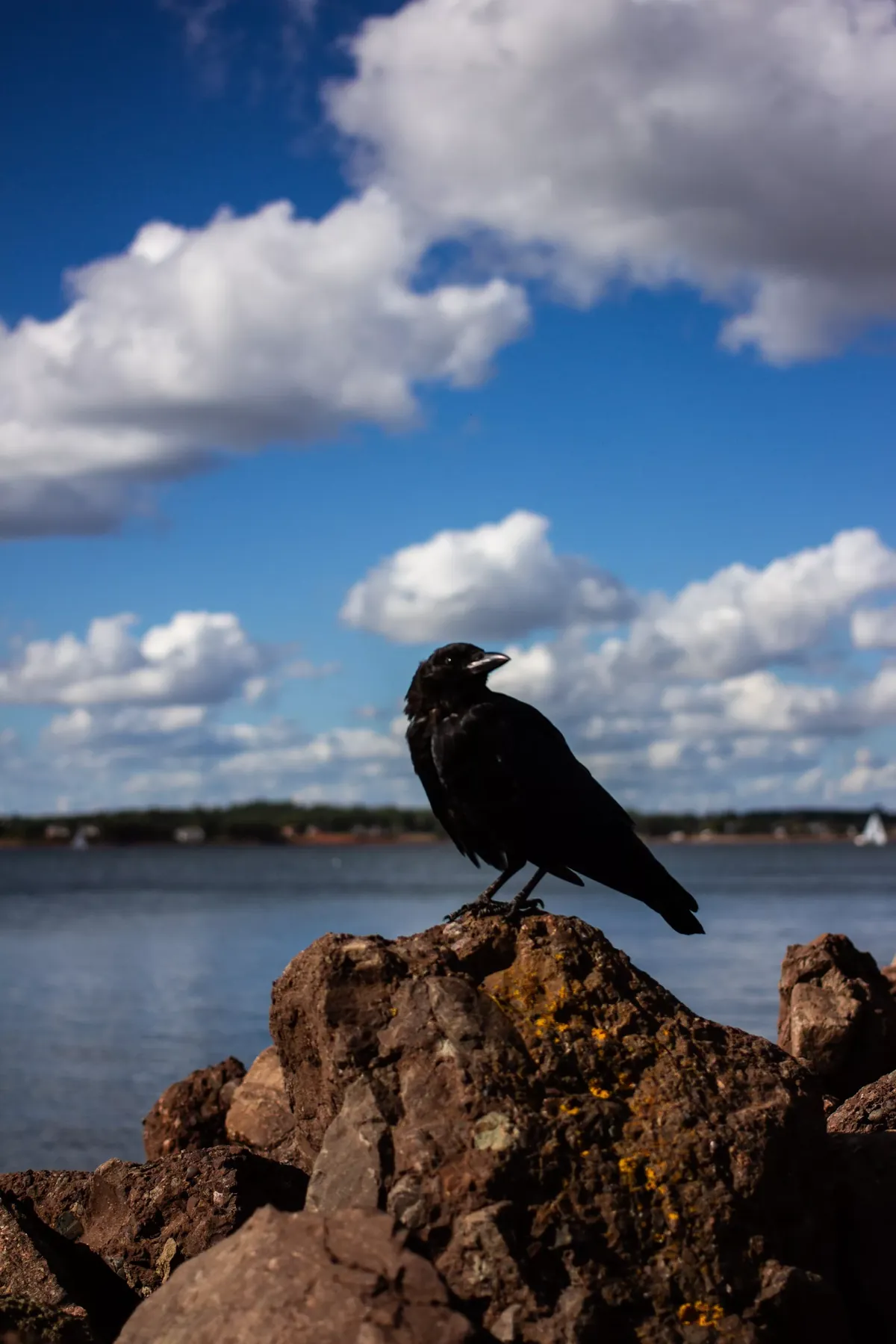
Crows are some of the smartest birds on the planet, and they're far more complex than their reputation as a bad omen suggests. Highly social, endlessly curious, and quick to learn, crows have earned a permanent spot in scientific studies of animal cognition.
Here's a fact-checked look at what makes crows so remarkable, from their tool use and memory to their surprisingly rich social lives.
Crows belong to the family Corvidae, which also includes ravens, magpies, jays, and jackdaws.
The genus Corvus contains more than 40 species of crows and ravens worldwide, with the American crow being the most familiar in North America.
Crows are omnivores that eat almost anything, including insects, small mammals, fruit, seeds, and carrion.
Crows have excellent memories and can recognize individual human faces, remembering people who have treated them well or poorly for years afterward.
Crows are highly adaptable and thrive in cities, often nesting on buildings, streetlights, and telecommunication towers.
Crows use a complex system of vocalizations, with researchers having documented more than 20 distinct calls used for different situations.
Crows are very social and often gather in large groups; a flock of crows is commonly called a 'murder.'
Crows are skilled problem solvers and have been observed making and using tools, such as bending wire into hooks to retrieve food.
Crows typically form long-term, monogamous pair bonds and often stay with the same mate across multiple breeding seasons.
Crows are attentive parents and will aggressively defend their young from predators, including much larger animals.
Self-recognition in mirrors is rare among corvids and inconsistent even where documented; Eurasian magpies and some Indian house crows have shown limited signs of passing mirror tests, but results across crow species overall remain mixed and unconfirmed.
Crows have occasionally been observed bringing small objects, like shiny trinkets, to people who regularly feed them.
Crows have sharp eyesight, which helps them spot food, threats, and other crows from long distances.
Crows can hold grudges: studies have shown they remember and continue to scold or avoid specific people who once trapped or threatened them.
Crows are territorial, especially around nesting sites, and will mob larger birds like hawks and owls to drive them away.
Crows have been observed gathering around dead crows in behavior researchers describe as a form of 'funeral,' likely a way of learning about danger in the area.
Crows are a favorite subject in animal cognition research, used to study tool use, planning, and problem-solving in birds.
Despite folklore linking crows to death and bad omens, scientists regard them as symbols of intelligence and adaptability.
Crows appear throughout world mythology and folklore, including Native American, Celtic, and Norse and Greek traditions.
Crows help control pest insect populations and disperse seeds, making them a useful part of local ecosystems.
Crows in some cities have learned to place nuts in roadway crosswalks and let passing cars crack the shells open for them.
The average American crow lives 7 to 8 years in the wild, though wild individuals have been documented living past 17 years; crows in captivity can live into their 20s or 30s.
Frequently asked questions
How long do crows live?
American crows live an average of 7 to 8 years in the wild, though some individuals have survived past 17 years. In captivity, with steady food and no predators, crows can live into their 20s or even 30s.
Are crows a threat to humans?
Crows are generally not a threat to people. They can become defensive or dive-bomb someone who gets too close to a nest, but serious attacks are rare.
How do crows communicate with each other?
Crows use more than 20 distinct calls, including alarm calls, contact calls, and scolding calls, along with body posture and gestures to communicate with each other.
Do crows migrate?
Some crow populations migrate seasonally in response to food and weather, but many, including most American crows, stay in or near their breeding territory year-round.
Are crows endangered?
Most crow species are not endangered and are considered widespread and adaptable. The Hawaiian crow, or 'alala,' is a major exception: it has been extinct in the wild since 2002 and survives only through captive breeding, with recent reintroduction efforts underway on Maui.
Can crows recognize human faces?
Yes. Studies have shown crows can distinguish individual human faces and remember them for years, reacting differently to people who have helped or harmed them or their flock in the past.
We write every article to be genuinely fun — and genuinely true. Each fact is checked against reputable sources before it goes live. Spotted something off? Tell us and read our fact-check policy.