A zebra's stripes are more than a fashion statement — they're an ID card, a bug repellent, and one of biology's favorite puzzles.
Here are the facts, checked and corralled.
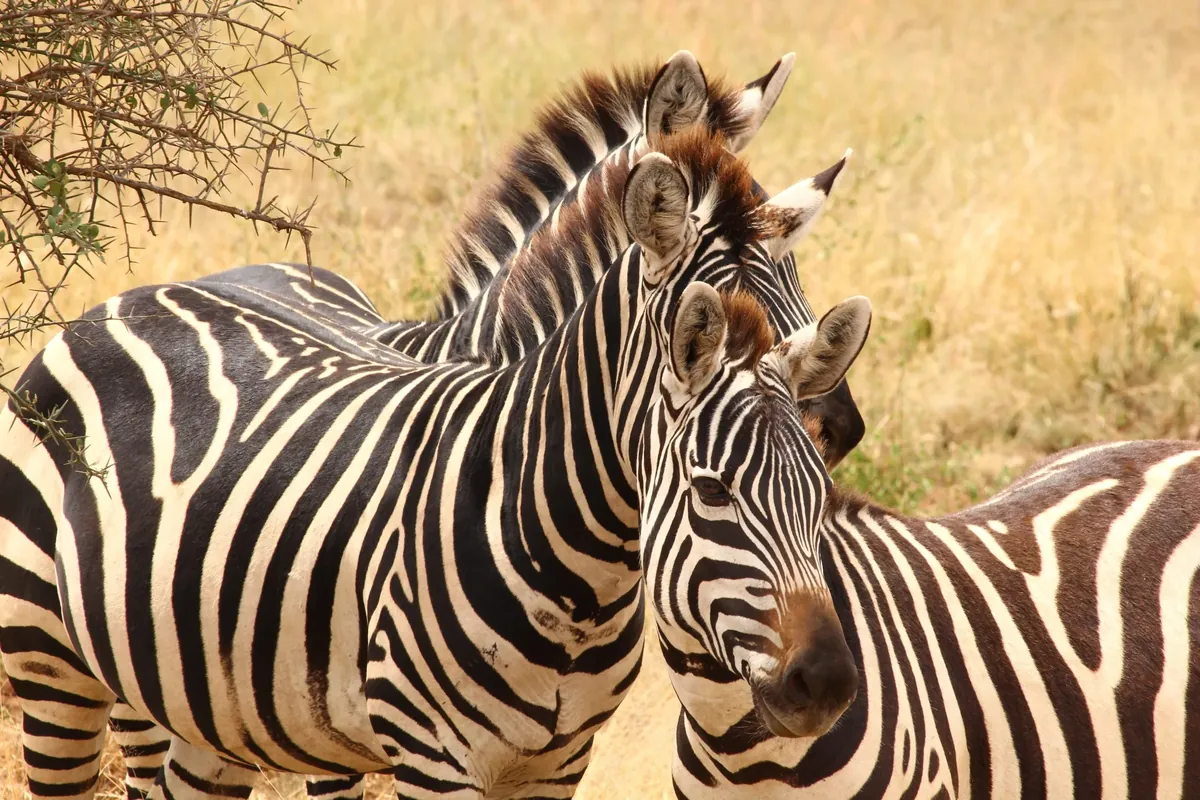
A zebra's stripes are more than a fashion statement — they're an ID card, a bug repellent, and one of biology's favorite puzzles.
Here are the facts, checked and corralled.
Every zebra's stripe pattern is unique — no two individuals match, and foals learn to recognize their mothers partly by pattern.
The best-supported explanation for stripes is that they deter biting flies: experiments show horseflies land far less often on striped surfaces.
Zebras have black skin under their coats; the stripes exist only in the fur.
There are three living species — plains, mountain, and Grévy's zebras — and Grévy's is the largest and most endangered.
Zebras are equids, close relatives of horses and donkeys, but they have never been truly domesticated.
A zebra can run around 40 mph (65 km/h) and zigzags sharply to evade predators.
A zebra's kick is powerful enough to seriously injure a lion.
Plains zebras join one of Africa's great migrations, moving in the Serengeti-Mara system alongside hundreds of thousands of wildebeest.
Zebras sleep standing up thanks to locking 'stay apparatus' in their legs, dozing deeply only when herd-mates keep watch.
Zebra herds are noisy — they communicate with barks, brays, snorts, and expressive ears and faces.
Stallions defend family groups (harems) of mares and foals; bachelor males form their own herds until they can win mares.
Foals can stand within minutes of birth and run within about an hour — essential on predator-filled savannas.
The quagga, a partially striped zebra of South Africa, was hunted to extinction in the 1880s; a breeding project is trying to recreate its look from plains zebra genes.
Grévy's zebra numbers have fallen to roughly 2,000-3,000 in the wild, mostly in northern Kenya.
Mixed herds of zebras and wildebeest benefit both: zebras crop tall coarse grass, exposing tender shoots that wildebeest prefer.
We write every article to be genuinely fun — and genuinely true. Each fact is checked against reputable sources before it goes live. Spotted something off? Tell us and read our fact-check policy.
 Animal Facts
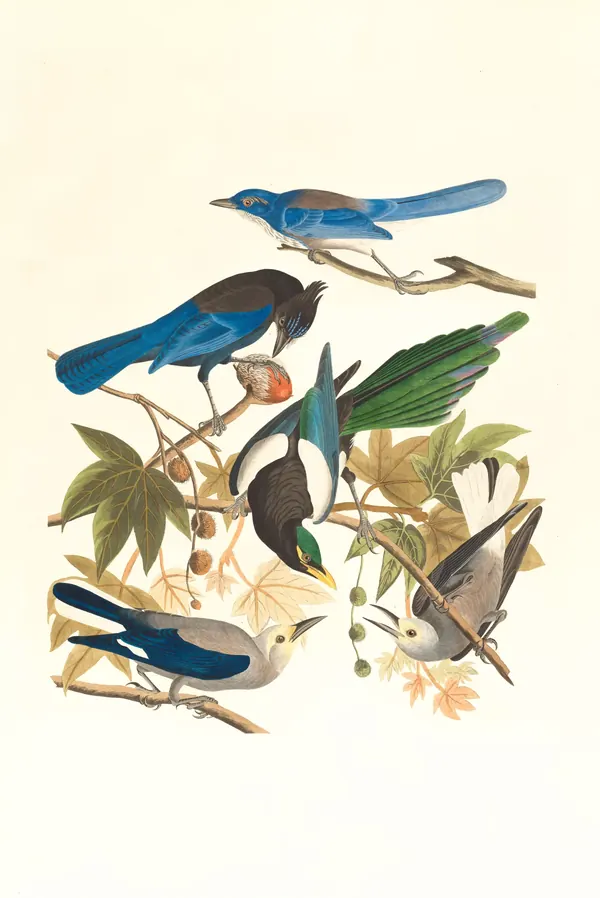
Discover verified facts about birds: the fastest flyer, the tiniest species, the oldest parrot on record, and how these feathered dinosaurs took to the sky.
 Animal Facts
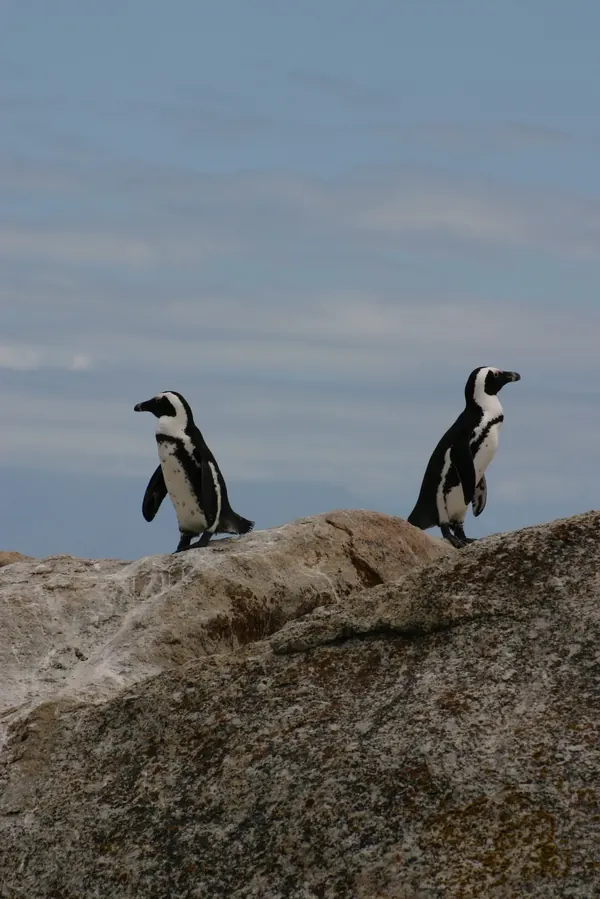
Discover 18 fascinating, fact-checked facts about penguins - from flightless swimmers to salt glands, tuxedo camouflage, and record-breaking dives.
 Animal Facts
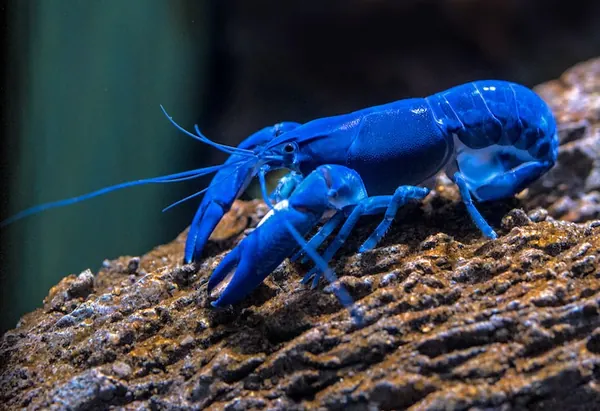
Discover fascinating, verified facts about lobsters — from their claws and molting to record-breaking size and how they really communicate.
 Animal Facts
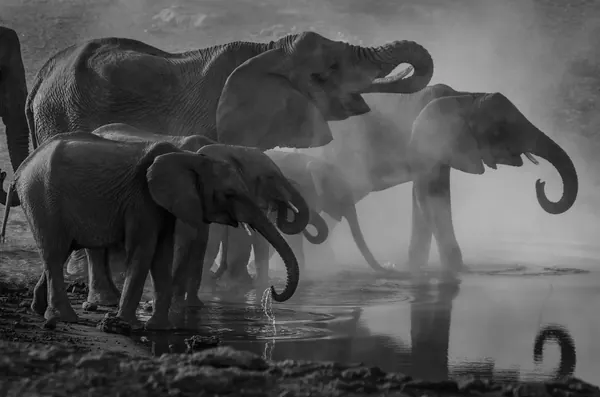
Discover verified facts about elephants: their size, intelligence, memory, communication, and record-breaking 22-month pregnancy.