FFacts On Tap Editorial Team Fact-checkedUpdated May 10, 20253 min read
Share
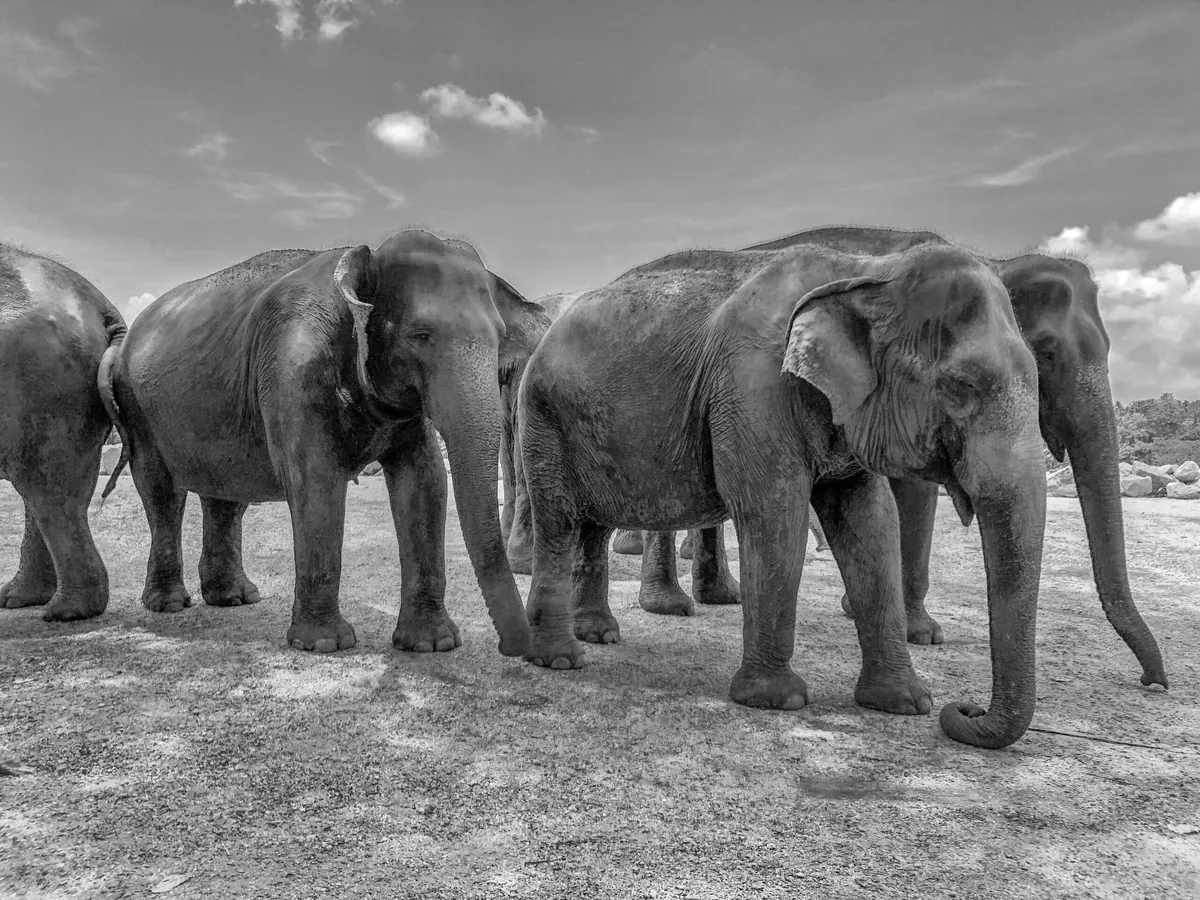
Asian elephants (Elephas maximus) are the largest land animals in Asia and among the most intelligent creatures on Earth. Found across South and Southeast Asia, these gentle giants live in close-knit family herds and play a deep role in the region's culture and mythology.
Sadly, they're also endangered. Here are the real facts behind these remarkable animals, from their unusual tusks to the threats pushing them toward extinction.
Asian elephants are smaller than their African cousins, with males standing about 6.6 to 9.8 feet tall at the shoulder.
Adult male Asian elephants typically weigh between 8,000 and 12,000 pounds, while females are noticeably smaller, averaging around 6,000 pounds.
Unlike African elephants, only some male Asian elephants grow visible tusks; females typically have small, barely visible tusk-like teeth called tushes.
The proportion of males with visible tusks varies widely by region, from under 10% in Sri Lanka to as high as 90% in parts of India.
Tusks are actually elongated incisor teeth and can grow several feet long in tusked males.
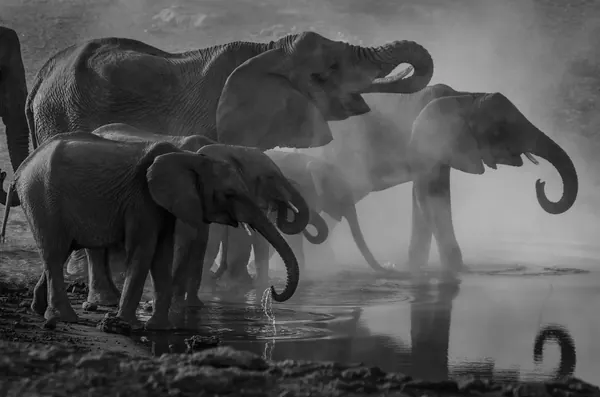
Asian elephants live in tight-knit family groups led by the oldest female, known as the matriarch.
Elephant herds typically include up to about 20 related females and their young, while adult males usually live alone or in small bachelor groups.
These herbivores eat grasses, fruit, leaves, and bark, consuming as much as 300 pounds of food a day.
Asian elephants communicate through calls, body language, and infrasound, which is too low in pitch for humans to hear.
The IUCN classifies the Asian elephant as Endangered, with wild populations declining due to habitat loss, poaching, and human-elephant conflict.
Fewer than 50,000 Asian elephants are believed to remain in the wild today, scattered across 13 countries.
Conservation groups work to protect Asian elephants through anti-poaching patrols, habitat restoration, and community-based programs that reduce conflict with farmers.
Countries like Thailand and India are home to elephant sanctuaries where rescued and retired working elephants can live without being ridden or forced to perform.
Asian elephants hold deep cultural significance across the region, symbolizing wisdom and strength in Hindu and Buddhist traditions, including the elephant-headed god Ganesha.
As farms and roads expand into elephant habitat, conflicts have increased, leading to crop damage and, tragically, injuries and deaths on both sides.
Wild Asian elephants typically live around 60 years, with some individuals reaching their 70s.
Elephants have an excellent sense of smell and can use their trunks, which contain tens of thousands of muscles, to grasp objects as small as a single blade of grass.
Frequently asked questions
Are Asian elephants the same as African elephants?
No, they're two distinct species. Asian elephants are smaller, have smaller ears, and typically only males grow visible tusks, whereas both male and female African elephants usually have tusks.
How long do Asian elephants live in the wild?
Wild Asian elephants generally live around 60 years, with some reaching their 70s. Lifespans in captivity vary and are not reliably longer than in the wild.
Why are Asian elephants endangered?
Habitat loss from deforestation and agricultural expansion, poaching, and increasing conflict with humans have all contributed to sharp population declines, earning them Endangered status from the IUCN.
Do all Asian elephants have tusks?
No. Only a portion of males grow large, visible tusks, and the percentage varies dramatically by region. Females typically have small tushes that are barely visible.
Can Asian elephants be domesticated?
Asian elephants have been used in logging and transport for centuries in parts of Asia, but they are not truly domesticated animals, and today most conservation and animal-welfare groups discourage using them for labor or tourism rides.
What is the biggest threat to Asian elephants today?
Habitat loss from deforestation and infrastructure development is the leading threat, since it shrinks elephant ranges and drives more frequent conflict with people.
We write every article to be genuinely fun — and genuinely true. Each fact is checked against reputable sources before it goes live. Spotted something off? Tell us and read our fact-check policy.