FFacts On Tap Editorial Team Fact-checkedUpdated April 18, 20263 min read
Share
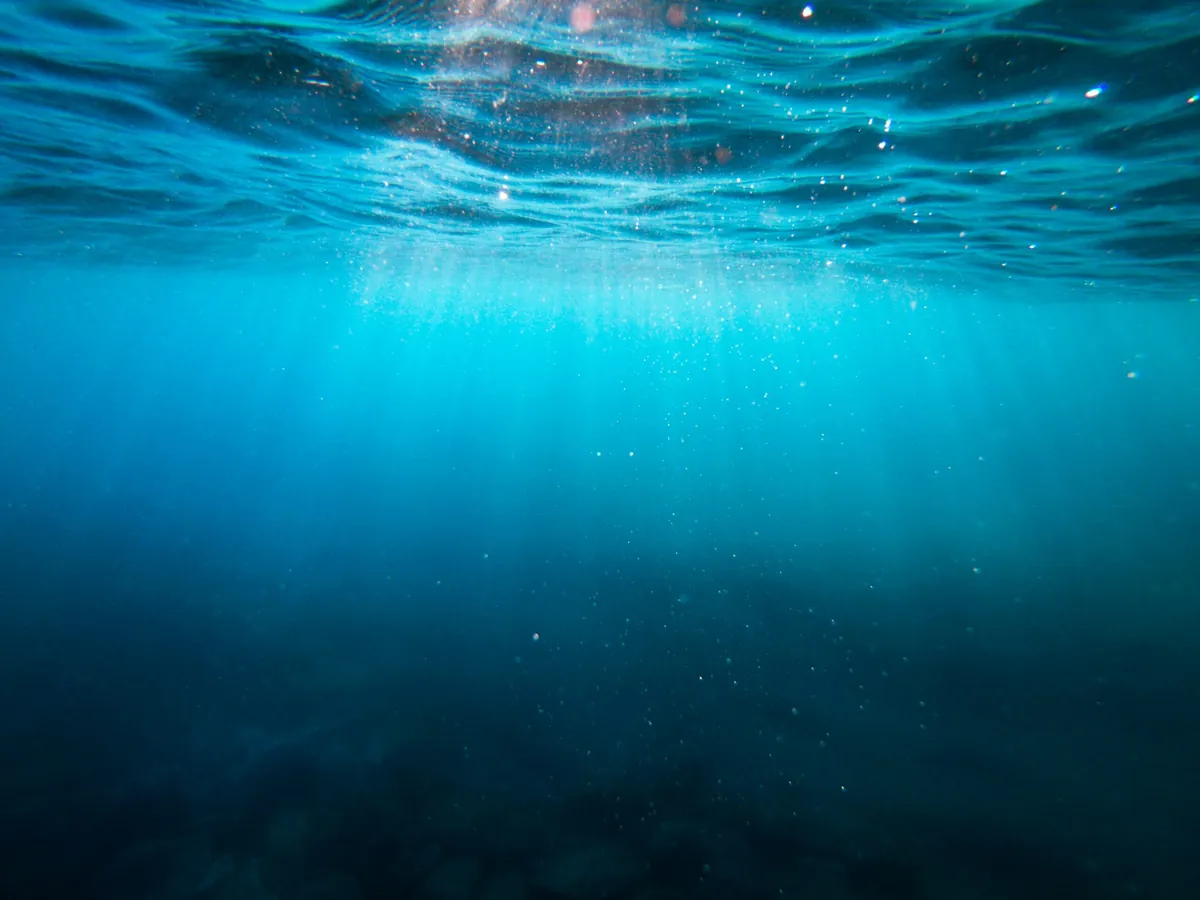
Deep beneath the waves off Australia and New Zealand lives a fish that became an internet sensation for all the wrong reasons: the blobfish. Its saggy, deflated look only appears when it's hauled up from the crushing pressure of the deep sea — in its natural habitat, it looks like an ordinary fish.
Here are the real facts behind one of the ocean's most misunderstood creatures.
Blobfish (Psychrolutes marcidus) live in the deep waters off the coasts of mainland Australia, Tasmania, and New Zealand.
They typically dwell at depths of 600 to 1,200 meters (2,000 to 3,900 feet), where water pressure is 60 to 120 times greater than at sea level.
The blobfish's famous droopy, gelatinous look only appears when it is brought to the surface; in its natural high-pressure habitat, its body holds a more typical fish shape.
Blobfish are opportunistic feeders, eating crustaceans, mollusks, sea urchins, and other small creatures that drift within reach.
The species was formally described in 1926 by Australian ichthyologist Allan Riverstone McCulloch from a specimen collected off New South Wales.
The blobfish's soft, gelatinous flesh has a density slightly less than water and lacks a gas-filled swim bladder, letting it hover just above the seafloor with minimal energy use.
Female blobfish lay large clutches of eggs on the seafloor, and in related species the female is known to guard the eggs until they hatch.
Blobfish can grow to around 30 centimeters (about 12 inches) in length.
They are sluggish, low-energy fish that sit and wait for food to drift by rather than actively chasing prey, an adaptation suited to the nutrient-poor deep sea.
The IUCN Red List currently lists the blobfish's conservation status as unevaluated or data deficient, meaning there isn't enough population data for a formal risk assessment.
Blobfish are frequently caught as bycatch in deep-sea trawling for crustaceans like crabs and lobsters, which scientists consider the species' main threat.
A blobfish specimen photographed during a 2003 NORFANZ marine survey off New Zealand went viral online and helped make the species famous.
In 2013, the blobfish was voted the world's "ugliest animal" in an online poll run by the Ugly Animal Preservation Society.
Blobfish belong to the family Psychrolutidae, commonly known as fathead sculpins, which includes several other soft-bodied deep-sea species.
Frequently asked questions
What do blobfish eat?
Blobfish are opportunistic feeders that eat crustaceans, mollusks, sea urchins, and other small creatures that drift within reach in the deep ocean.
How do blobfish survive in high-pressure environments?
Their gelatinous flesh is slightly less dense than water and they lack a gas-filled swim bladder, so they don't need rigid pressure-resistant structures to stay buoyant near the seafloor.
Are blobfish endangered?
The blobfish's IUCN status is officially data deficient or not evaluated, not a formally confirmed threatened category. Even so, experts are concerned because blobfish are commonly caught as bycatch in deep-sea trawl fisheries.
Do blobfish have any predators?
Little is documented about natural predators of blobfish, since they live at depths rarely observed directly. Their biggest known threat comes from human deep-sea trawling rather than natural predation.
How long do blobfish live?
The exact lifespan of blobfish isn't well documented, but as with many deep-sea fish, scientists believe they can live for a number of years given the slow-paced, low-energy nature of the deep-sea environment.
Why do blobfish look different out of water?
At depth, water pressure supports the blobfish's soft body, giving it a normal fish-like shape. When brought to the surface, the sudden drop in pressure causes its flesh to sag and deflate into the famous droopy look.
We write every article to be genuinely fun — and genuinely true. Each fact is checked against reputable sources before it goes live. Spotted something off? Tell us and read our fact-check policy.