FFacts On Tap Editorial Team Fact-checkedUpdated July 12, 20233 min read
Share
With their brilliant blue feathers and cheerful song, bluebirds have long been seen as a symbol of happiness and good fortune. Native to North America, these small members of the thrush family are beloved by birdwatchers and backyard gardeners alike.
Here are some genuinely interesting, verified facts about bluebirds — how they live, nest, raise their young, and why they need a little help from us to thrive.
There are three species of bluebirds: the Eastern Bluebird, Western Bluebird, and Mountain Bluebird, all native to North America.
Bluebirds belong to the thrush family, Turdidae, which also includes robins.
Bluebirds are cavity nesters, meaning they nest in tree holes or nest boxes rather than building open nests.
Bluebirds are generally monogamous during a breeding season, though pairs do not always stay together year after year and some females mate with more than one male.
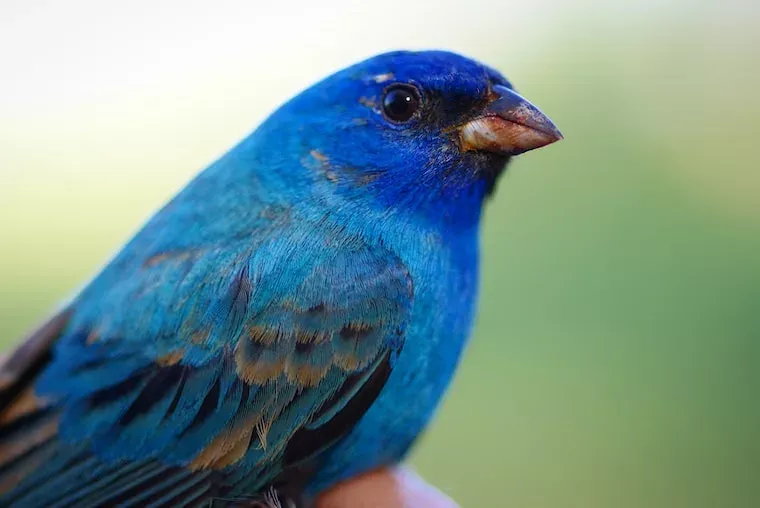
Male bluebirds have brighter, more vivid blue plumage than females, which tend to look duller and grayer.
A bluebird's blue color isn't from blue pigment at all — it comes from the microscopic structure of the feathers scattering light, a phenomenon known as structural coloration.
Wild bluebirds can live up to about 10 years, though most survive only a few years due to predation, harsh winters, and other hazards.
Bluebirds are omnivores, eating mostly insects in warmer months and switching to berries and fruit in fall and winter.
Backyard bird lovers can attract bluebirds by offering mealworms, a favorite food, especially during nesting season.
Bluebirds are territorial and will defend their nesting area from other birds, including other bluebirds.
Many bluebird populations migrate south for the winter, though bluebirds in milder southern regions often stay put year-round.
Bluebirds have a soft, warbling song that many birdwatchers find especially pleasant.
Bluebirds appear widely in folklore and popular culture as a symbol of happiness, hope, and good luck.
Bluebird populations are sensitive to habitat loss and pesticide use, both of which can reduce their insect food supply and nesting sites.
The Eastern Bluebird is the official state bird of both Missouri and New York.
The Mountain Bluebird is the state bird of Idaho and Nevada.
Bluebirds don't excavate their own nest cavities; they rely on holes made by woodpeckers or naturally occurring tree cavities, and readily use human-built nest boxes.
By eating large numbers of insects, especially during breeding season, bluebirds help naturally control insect populations.
Bluebirds face predation from snakes, raccoons, cats, and other nest-raiding animals, which is why predator guards on nest boxes are recommended.
Bluebirds prefer open habitats like meadows, pastures, and golf courses with scattered trees or fence lines for perching.
Well-placed, properly maintained nest boxes can significantly increase the chances of attracting nesting bluebirds to a yard.
Bluebirds regularly bathe in shallow bird baths and other sources of standing water.
Bluebirds sometimes attack their own reflection in windows or mirrors, mistaking the image for a rival bird intruding on their territory.
Frequently asked questions
What is the best time of year to attract bluebirds to my yard?
The breeding season, roughly March through August, is the best time, since bluebirds are then actively searching for nest sites and are most likely to use a well-placed nest box.
How can I attract bluebirds to my yard?
Provide an open habitat with scattered trees or perches, put up a properly designed and placed nest box, and offer mealworms, which bluebirds find especially appealing.
What is the difference between male and female bluebirds?
Males have brighter, more saturated blue plumage, while females are duller and grayer-blue. In Eastern Bluebirds, males also show a more distinct rusty-orange breast band.
Do bluebirds migrate?
Many bluebird populations, especially in the north, migrate south for winter, but bluebirds in milder climates may remain in the same area year-round.
How can I protect bluebirds from predators?
Mount nest boxes on smooth metal poles with predator guards, and place them away from overhanging branches or perches that let snakes, raccoons, or cats reach the box.
Are bluebirds endangered?
No bluebird species is currently listed as endangered, but populations declined significantly in the 20th century due to habitat loss and pesticides, which is why nest-box programs remain important for their conservation.
We write every article to be genuinely fun — and genuinely true. Each fact is checked against reputable sources before it goes live. Spotted something off? Tell us and read our fact-check policy.