FFacts On Tap Editorial Team Fact-checkedUpdated September 14, 20233 min read
Share
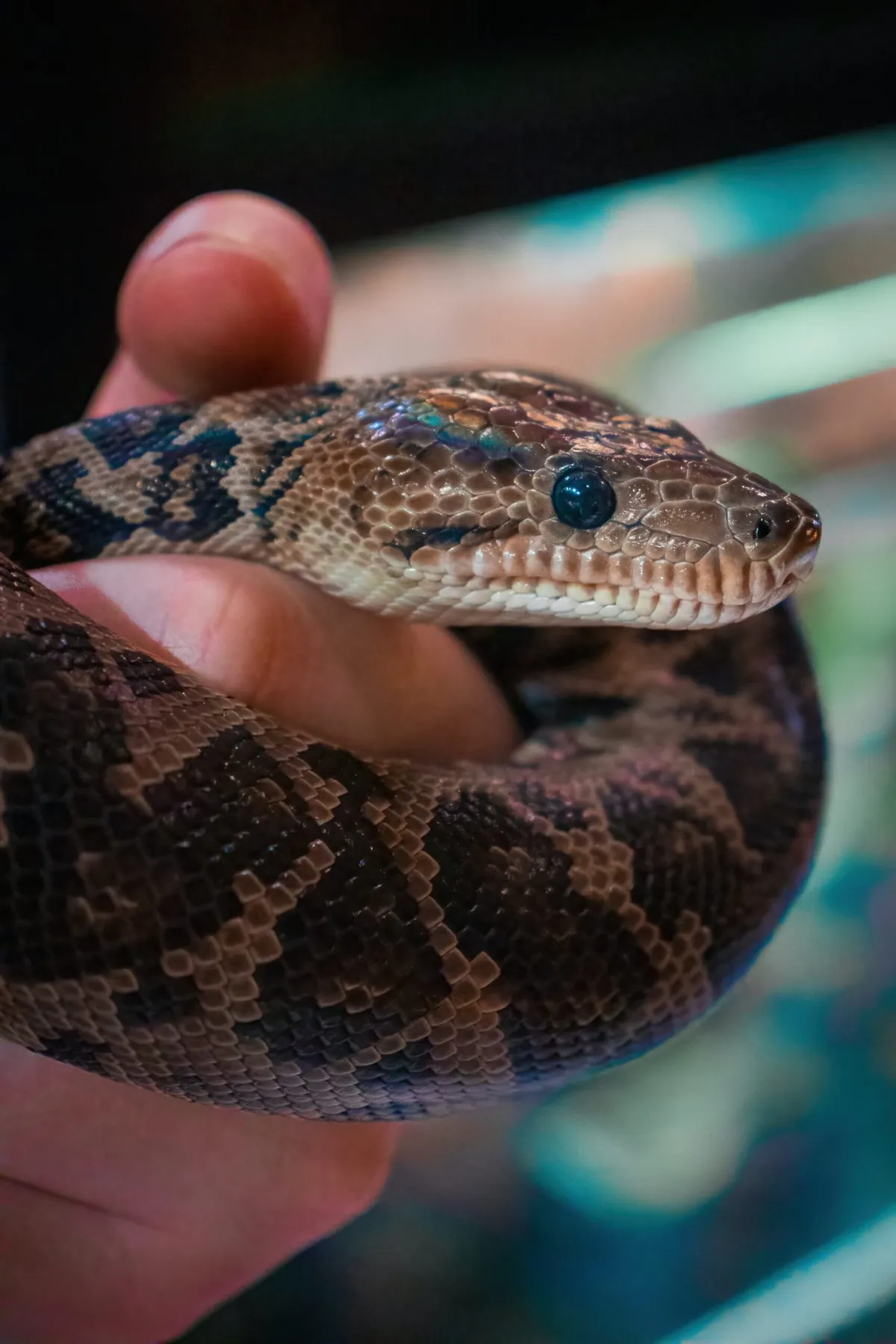
Boa constrictors are heavy-bodied, non-venomous snakes famous for squeezing the breath out of their prey rather than biting it to death. Found across the Americas, they're one of the most recognizable snakes on the planet, thanks in part to their popularity in the pet trade.
Here are the real facts behind the legend, verified and corrected.
Boa constrictors are non-venomous snakes native to North, Central, and South America.
Adult boa constrictors typically reach 6 to 10 feet long, with some large individuals approaching 13 feet; claims of specimens over 18 feet are widely repeated but have no verified documentation.
In captivity, boa constrictors can live 20 to 30 years with proper care.
Boa constrictors have a flexible jaw connected by stretchy ligaments, letting them swallow prey much wider than their own head.
They have heat-sensing pits along their upper lips that help them detect warm-blooded prey in the dark.
Boa constrictors are capable swimmers and can submerge for extended periods, sometimes staying underwater for 20 to 30 minutes to shed unwanted mites.
They are largely solitary animals that come together mainly to mate.
Boa constrictors are ovoviviparous: eggs develop and hatch inside the mother, and she gives birth to live young.
Newborn boas are fully independent at birth and can hunt on their own within days.
Boas kill prey by constriction, tightening their coils each time the prey exhales so it cannot draw another breath.
They are opportunistic feeders that eat rodents, birds, bats, and other small to medium mammals.
No two boa constrictors have exactly the same scale pattern, making each snake's markings unique.
Boa constrictors shed their skin periodically as they grow, more often when young and less frequently as adults.
They are generally not aggressive toward humans and typically bite only when they feel threatened or cornered.
As predators, boa constrictors help keep rodent populations in check within their ecosystems.
Boa constrictors are popular in the exotic pet trade but require specialized enclosures, heating, and handling experience.
They have a slow metabolism and can go weeks between meals, especially as adults.
Boa constrictors live in a range of habitats, including rainforests, savannas, and semi-arid scrubland.
Their generally calm temperament has made them a common choice for film and TV productions.
Boa constrictor skin has historically been used in the exotic leather trade.
Several recognized subspecies of Boa constrictor exist across Central and South America, differing in size and coloration.
Boa constrictors detect prey using a combination of smell, heat-sensing pits, and vibration rather than eyesight alone.
Frequently asked questions
What is the difference between a boa constrictor and a python?
Both are non-venomous constrictors, but boas are native to the Americas while pythons are native to Africa, Asia, and Australia. Boas give birth to live young, while pythons lay eggs, and boas have heat-sensing pits along their lips similar to some pythons.
Are boa constrictors dangerous to humans?
Boa constrictors are non-venomous and rarely attack humans unprovoked. As large, powerful snakes they can still cause injury if mishandled, so experienced handling is recommended, especially for larger individuals.
What do boa constrictors eat?
Boa constrictors are opportunistic feeders that prey on rodents, birds, bats, and other small to medium-sized mammals, subduing them by constriction before swallowing them whole.
How long do boa constrictors live?
In captivity with proper care, boa constrictors commonly live 20 to 30 years.
Are boa constrictors endangered?
The species as a whole is not considered endangered, though some regional subspecies face pressure from habitat loss and collection for the pet trade.
Can you keep a boa constrictor as a pet?
Yes, boa constrictors are commonly kept as pets, but they need a large secure enclosure, controlled heat and humidity, and an owner comfortable handling a large, strong snake.
We write every article to be genuinely fun — and genuinely true. Each fact is checked against reputable sources before it goes live. Spotted something off? Tell us and read our fact-check policy.