FFacts On Tap Editorial Team Fact-checkedUpdated May 4, 20253 min read
Share
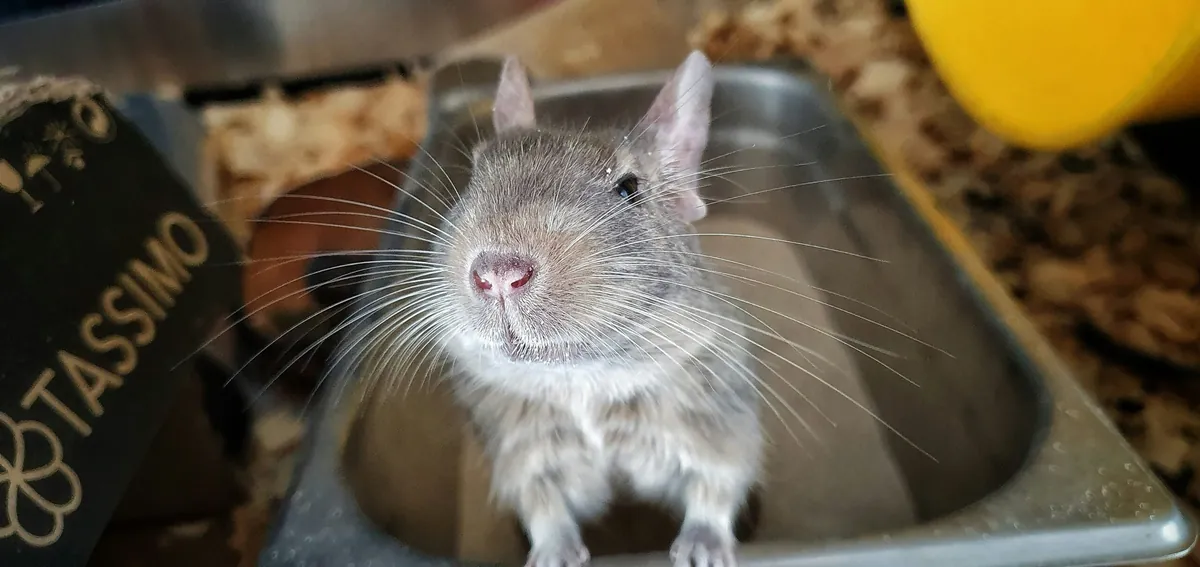
Chinchillas are small, endearing rodents famous for having the softest fur of any land mammal and a personality to match their fluffy looks. Native to the rocky, high-altitude Andes Mountains of South America, they've become beloved pets around the world thanks to their playful energy and curious nature.
Below are verified facts about where chinchillas come from, how their bodies and fur work, and what it takes to care for one.
Chinchillas are native to the Andes Mountains of South America, where they historically lived in colonies among rocky, arid slopes at high altitude.
Chinchillas have the densest fur of any land mammal: each hair follicle grows a cluster of roughly 50 to 80 hairs, versus just one per follicle in humans.
That ultra-dense fur is so tightly packed that parasites like fleas have a hard time surviving in it, giving chinchillas a natural defense against pests.
Chinchillas are crepuscular, meaning they're most active at dawn and dusk rather than during the day or in the dead of night.
Because of their crepuscular activity pattern, chinchillas can suit owners who are away during the day but home in the evenings.
Chinchillas are social animals that generally do best living with at least one companion, engaging in mutual grooming, play, and vocal chatter.
Chinchillas communicate through a range of sounds, including chirps, barks, and squeaks, as well as body language like ear position and tail flicks.
Chinchillas have sensitive digestive systems built for a high-fiber diet, so their food should be mostly grass hay, supplemented with a small amount of pellets.
Chinchillas take dust baths, rolling in fine volcanic pumice dust to absorb excess oil and moisture from their fur, since their coat is too dense to dry properly if it gets wet.
In captivity, well-cared-for chinchillas commonly live 10 to 20 years, making them a much longer-term commitment than a typical hamster or gerbil.
A chinchilla's teeth grow continuously throughout its life, so it needs to gnaw on safe wood or chew toys to keep them worn down and prevent overgrowth.
Chinchillas are strong jumpers for their size, capable of leaping several feet vertically thanks to powerful hind legs adapted for scrambling over rocky terrain.
Adult chinchillas typically weigh around 1 to 1.75 pounds and measure roughly 9 to 12 inches in body length, plus a bushy tail that adds several more inches.
Both wild chinchilla species, the long-tailed chinchilla and the short-tailed chinchilla, are classified as endangered, having lost the vast majority of their historical population to fur hunting and habitat loss.
Nearly all pet chinchillas today are descended from long-tailed chinchillas brought out of Chile in the early 20th century, not from wild-caught animals.
Frequently asked questions
How big do chinchillas get?
Adult chinchillas typically weigh about 1 to 1.75 pounds and measure roughly 9 to 12 inches in body length, with a bushy tail adding several more inches.
Do chinchillas make good pets for children?
Chinchillas can suit responsible older children who handle them gently under supervision, but they're delicate, easily stressed animals that aren't ideal for very young kids.
Are chinchillas endangered in the wild?
Yes. Both the long-tailed chinchilla and the short-tailed chinchilla are listed as endangered due to historical fur hunting and ongoing habitat loss in the Andes.
How often do chinchillas need dust baths?
Most pet chinchillas do well with a dust bath two to three times a week; bathing too often can strip natural oils from their fur.
Can chinchillas be litter trained?
Yes, with patience. Placing a litter box in the corner where a chinchilla already tends to go, and being consistent, can train it to use the box reliably.
Do chinchillas need regular vet checkups?
Yes, annual visits to a veterinarian experienced with exotic small mammals are recommended to catch dental or digestive problems early.
We write every article to be genuinely fun — and genuinely true. Each fact is checked against reputable sources before it goes live. Spotted something off? Tell us and read our fact-check policy.