FFacts On Tap Editorial Team Fact-checkedUpdated March 27, 20263 min read
Share
Civets are small, cat-like mammals that rarely get the spotlight in wildlife discussions, yet they're full of surprises. Native to forests, grasslands, and even cities across Africa, Asia, and southern Europe, these nocturnal creatures are best known for their unusual role in producing one of the world's most expensive coffees.
Below are verified facts about civet biology, behavior, and conservation that reveal why these elusive animals deserve more attention.
Civets belong to the family Viverridae, which includes roughly 30 to 35 species of small to medium-sized carnivorans, including civets, genets, and oyans.
Civets are native to Africa, Asia, and parts of southern Europe, where they live in habitats ranging from tropical forests to grasslands and even urban areas.
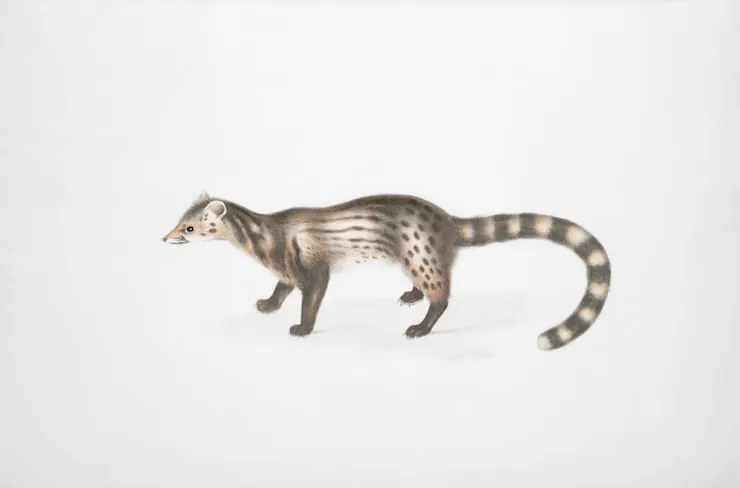
Civets have long, slender bodies, short legs, and pointed faces, with coat patterns of spots or stripes that vary widely between species.
Civets are omnivores, eating fruit, insects, small mammals, birds, eggs, and carrion depending on the species and season.
Most civets are nocturnal, which helps them avoid daytime predators and reduce competition for food.
Civets have perineal scent glands that produce a musky secretion used to mark territory and communicate with other civets.
Civets are central to producing Kopi Luwak (civet coffee), one of the world's most expensive coffees, made from coffee cherries the animals eat and pass through their digestive tract.
Demand for Kopi Luwak has led to inhumane caged civet farms in parts of Southeast Asia, prompting animal welfare groups to push for wild-sourced or certified cruelty-free alternatives.
Several civet species, such as the Malabar large-spotted civet and the otter civet, are considered vulnerable or endangered due to habitat loss and hunting.
The African civet has a gestation period of about 60 to 71 days and typically gives birth to 1 to 4 young per litter.
Newborn civets are born with their eyes closed and are fully dependent on their mother for warmth and food in their first weeks of life.
Civets are agile climbers and capable swimmers, adaptations that help them forage in trees and near water and escape predators.
The civet's real predators include large cats such as leopards, along with large snakes and birds of prey.
The African civet (Civettictis civetta) is the largest civet species and was historically farmed for its musk (civet oil), once a valued ingredient in perfumery.
The common palm civet, sometimes called the toddy cat, is the species most associated with producing Kopi Luwak in the wild.
Frequently asked questions
What do civets eat?
Civets are omnivores that eat fruit, insects, small mammals, birds, eggs, and carrion, with diet varying by species and habitat.
Why are civets known for producing Kopi Luwak coffee?
Civets eat ripe coffee cherries, and the beans pass through their digestive tract largely intact. Fermentation during digestion alters the beans' flavor, which is then processed into Kopi Luwak coffee.
Are civets endangered?
Not all civets are endangered, but several species, including the Malabar large-spotted civet and otter civet, are considered vulnerable or endangered due to habitat loss and hunting.
How do civets communicate with each other?
Civets rely heavily on scent marking. Perineal glands produce a musky secretion they use to mark territory and signal to other civets, including potential mates.
Where can civets be found in the wild?
Civets are native to Africa, Asia, and parts of southern Europe, living in habitats that range from dense forests and grasslands to farmland and city outskirts.
Do civets have any natural predators?
Yes. Depending on the region, civets face predation from leopards and other large cats, large snakes, and birds of prey.
We write every article to be genuinely fun — and genuinely true. Each fact is checked against reputable sources before it goes live. Spotted something off? Tell us and read our fact-check policy.