FFacts On Tap Editorial Team Fact-checkedUpdated April 14, 20253 min read
Share
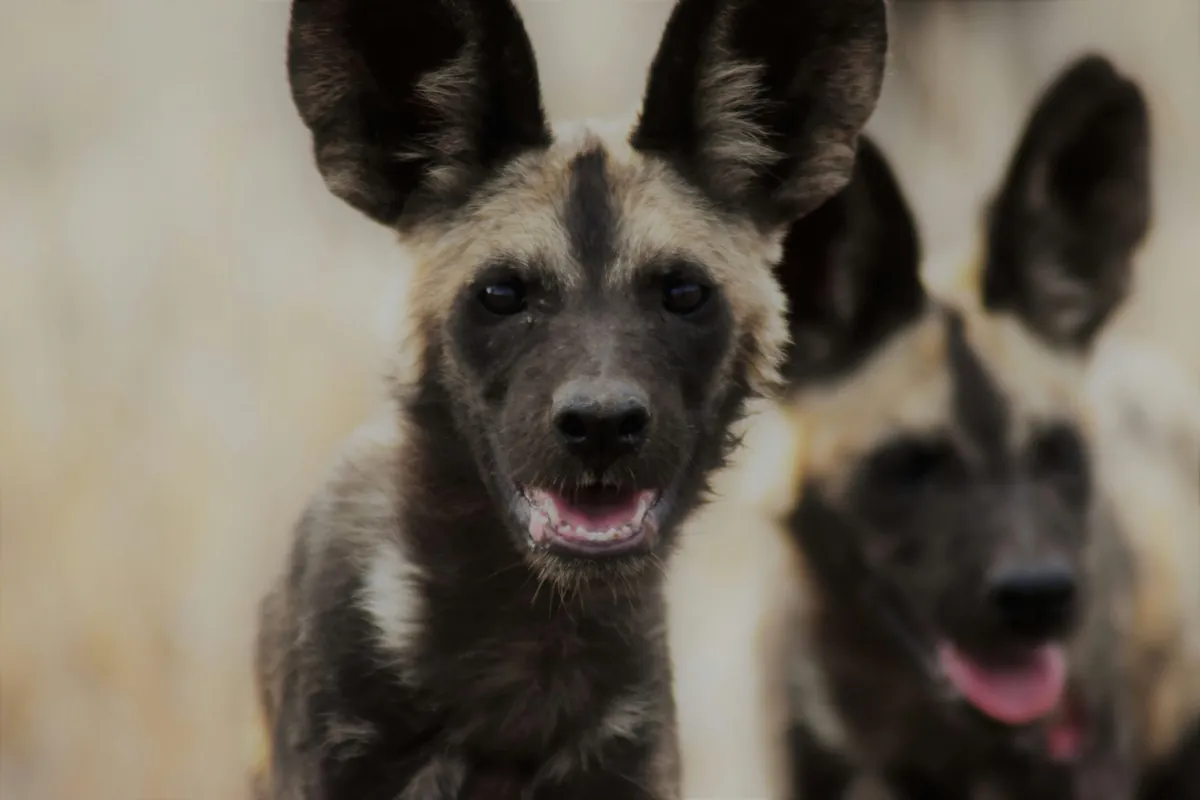
The dhole, also known as the Asiatic wild dog or Indian wild dog, is one of the least-known wild canines on Earth. Found across South and Southeast Asia, these highly social hunters communicate with an unusual repertoire of whistles and calls and take down prey many times their own size by working together.
Despite their important role balancing prey populations in their ecosystems, dholes are now endangered, with fewer than 2,500 mature adults estimated to remain in the wild. Here's what makes them so remarkable.
Dholes (Cuon alpinus) are found across South and Southeast Asia, from India and Nepal through China and into parts of the Russian Far East, in habitats ranging from dense forest to grassland and mountains.
Dholes communicate with an unusual range of vocalizations, including high-pitched whistles, screams, and chattering, which help pack members coordinate over long distances in thick cover.
Dholes are highly cooperative pack hunters capable of bringing down prey much larger than themselves, including deer and wild boar, by working together in coordinated chases.
Dhole clans typically number around 5 to 12 individuals but can include more than 40 animals; unlike many social carnivores, they lack a strict dominance hierarchy and often contain multiple breeding females.
The IUCN lists the dhole as Endangered, with the global population estimated at fewer than 2,500 mature adults and declining due to habitat loss, prey depletion, persecution, and disease spread from domestic dogs.
Dholes have a distinctive reddish-brown coat with a lighter underside and a black, bushy tail, giving them a fox-like appearance compared to other wild dogs.
Dhole packs mark and defend their home ranges using scent and vocal signals, and can be aggressive toward rival packs and other predators competing for territory.
After a gestation of about 60 to 63 days, dholes give birth to litters averaging four to six pups, with the whole pack helping to feed and guard the young.
Dholes are adaptable predators that will take everything from small rodents and insects to deer, wild boar, and even young water buffalo depending on what's available in their habitat.
Dholes have an unusual dental structure among canids: they lack a third lower molar and their upper molars have only a single cusp, an adaptation linked to their highly carnivorous diet.
As apex predators in many of their habitats, dholes still compete and sometimes clash with tigers and leopards, and may lose kills to these larger cats.
In parts of South and Southeast Asia, dholes appear in folklore as symbols of cunning, teamwork, and ferocity, reflecting the pack's cooperative hunting style.
Frequently asked questions
What do dholes eat?
Dholes are carnivorous pack hunters that primarily target deer, wild boar, and other medium to large ungulates, but they will also eat smaller mammals, birds, reptiles, and insects when larger prey is scarce.
How do dholes communicate within their packs?
Dholes use distinctive whistles, screams, and chattering calls to stay in contact over long distances in dense terrain, along with body language and scent marking to communicate within the pack.
Are dholes aggressive towards humans?
Dholes are generally shy and elusive around people and avoid direct contact. Attacks on humans are extremely rare, though like most wild animals they can act defensively if cornered or threatened.
How do dholes contribute to their ecosystems?
As pack predators of deer and wild boar, dholes help regulate herbivore populations, which in turn supports healthier vegetation and a more balanced ecosystem.
Do dholes have any natural predators or competitors?
Dholes have few natural predators, but they compete with tigers and leopards for prey and territory, and can lose kills or occasionally individuals to these larger cats.
Why are dholes endangered?
Dhole numbers have fallen due to habitat loss and fragmentation, declining prey populations, persecution by humans, and diseases like canine distemper and rabies spread from domestic dogs.
We write every article to be genuinely fun — and genuinely true. Each fact is checked against reputable sources before it goes live. Spotted something off? Tell us and read our fact-check policy.