FFacts On Tap Editorial Team Fact-checkedUpdated March 16, 20253 min read
Share
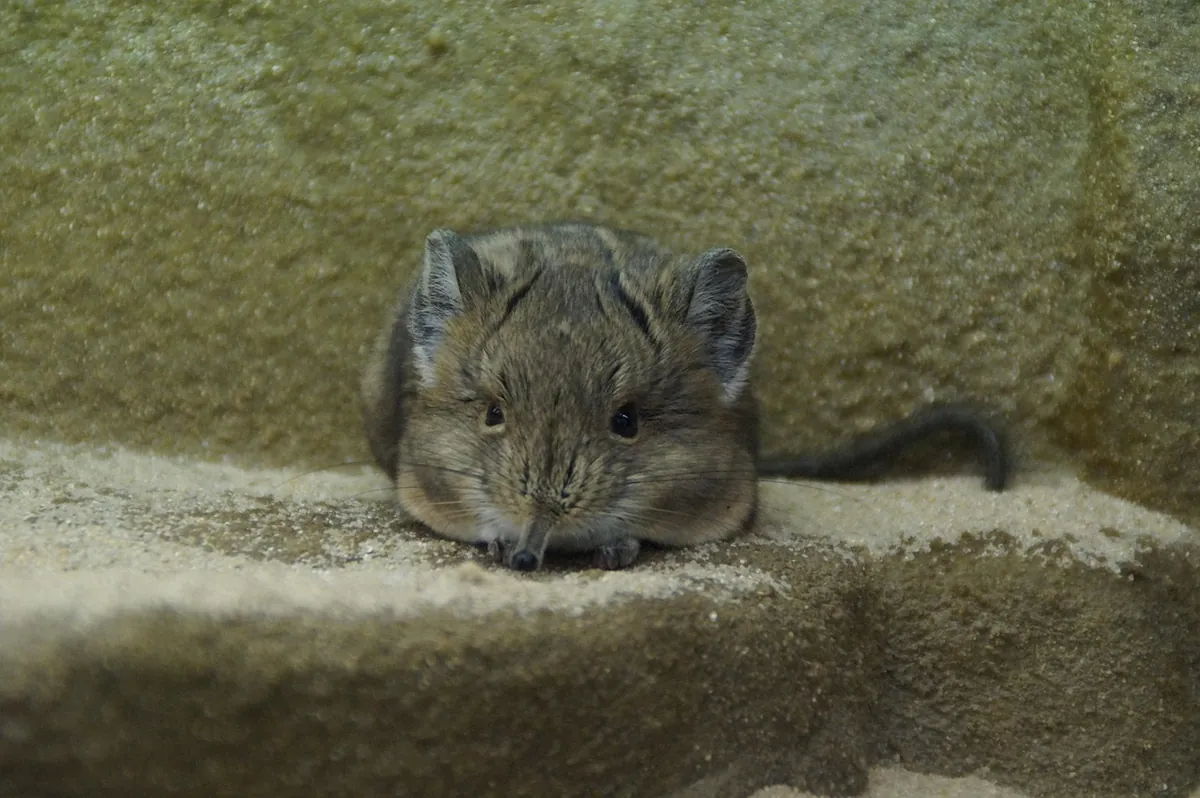
Jerboas are small jumping rodents in the family Dipodidae, native to the deserts of North Africa and Asia. With oversized hind legs, long balancing tails, and a kangaroo-like hop, they've become one of the desert's most surprising survivors.
Below are verified facts about how jerboas move, eat, sleep, and stay alive in some of the harshest habitats on Earth.
Jerboas are small jumping rodents belonging to the family Dipodidae, native to the deserts of North Africa, the Middle East, and Central Asia.
Jerboas normally hop just 4-5 inches at a time, but when startled or fleeing a predator they can leap roughly 3 meters (about 10 feet) in a single bound.
Their long, powerful hind legs and short forelegs make bipedal hopping possible, while a long tail acts like a rudder to keep them balanced in mid-air.
Jerboas are nocturnal, spending the heat of the day in underground burrows and emerging at night when desert temperatures drop.
Many jerboa species have light-colored fur that reflects sunlight and helps them blend into sandy terrain, offering some camouflage from predators.
Several jerboa species have unusually large ears relative to their body size, which help radiate excess heat and pick up the faint sounds of approaching predators.
Jerboas eat a varied diet of seeds, plant matter, and insects, adjusting their feeding based on whatever is available in their desert habitat.
Jerboas get most of the water they need directly from the food they eat, such as succulent plants and insects, rather than drinking standing water.
Their kidneys are highly efficient at concentrating urine, which helps them conserve water and minimize fluid loss in arid conditions.
When fleeing danger, jerboas can reach running speeds of up to 24 km/h (about 15 mph), using unpredictable zig-zagging jumps to throw off predators.
Predators of jerboas include owls, foxes, and snakes; jerboas rely on speed, erratic movement, and quick retreats into burrows to escape them.
During extreme heat or cold, some jerboa species can enter torpor, a short-term, hibernation-like state that lowers their metabolism to conserve energy.
Jerboas typically live only 1 to 3 years in the wild due to predation and harsh conditions, but in captivity with proper care some individuals have lived 5 years or longer.
The long-eared jerboa, found in the deserts of Mongolia and China, has ears about a third longer than its head and is considered one of the most distinctive-looking mammals on Earth.
Jerboas are generally solitary or loosely social, communicating through vocalizations, drumming their feet, and scent marking rather than living in tightly bonded groups.
Some jerboa species, including certain populations threatened by habitat loss and climate change, are the focus of ongoing conservation monitoring, though most jerboa species are not currently classified as endangered.
Frequently asked questions
How fast can jerboas run?
Jerboas can reach speeds of up to about 24 km/h (15 mph) when fleeing predators, using quick, unpredictable hops and turns to help them escape.
What is the purpose of a jerboa's long tail?
A jerboa's long tail acts as a counterbalance and stabilizer, helping it stay upright and controlled while jumping and running at speed.
Are jerboas endangered?
Most jerboa species are not currently classified as endangered, though some populations face pressure from habitat loss and climate change, and conservation status varies by species.
How do jerboas survive in the desert without drinking water?
Jerboas get most of their water from the food they eat, such as succulent plants and insects, and their efficient kidneys concentrate urine to minimize water loss.
Can jerboas be kept as pets?
Jerboas are wild animals with specialized care and habitat needs, so they are generally not recommended or suitable as household pets.
How far can jerboas jump?
Jerboas typically hop just a few inches at a time, but when alarmed they can leap roughly 3 meters (about 10 feet) in a single bound thanks to their powerful hind legs.
We write every article to be genuinely fun — and genuinely true. Each fact is checked against reputable sources before it goes live. Spotted something off? Tell us and read our fact-check policy.