FFacts On Tap Editorial Team Fact-checkedUpdated June 10, 20263 min read
Share
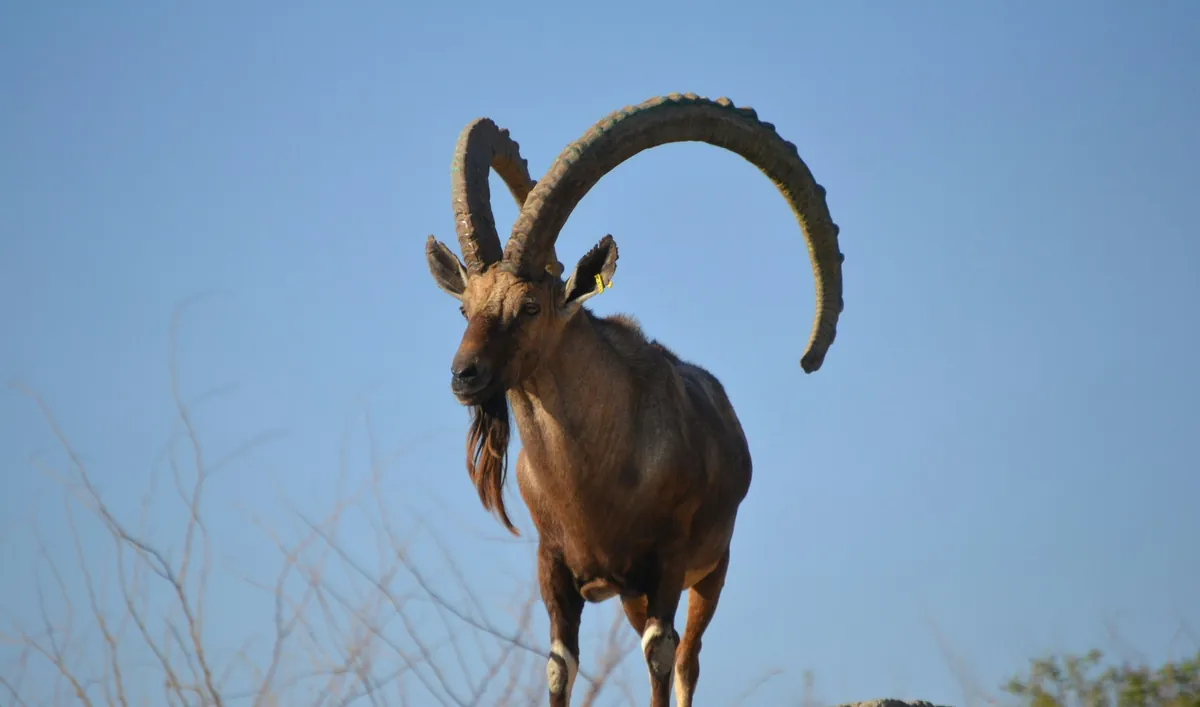
High in the mountains of Central and South Asia lives one of the animal kingdom's most striking goats: the markhor. With corkscrew horns that can rival the animal's own height, this wild goat has become a symbol of rugged beauty and hard-won conservation success.
Once teetering toward extinction, markhor populations have rebounded thanks to community-led conservation. Here are the real facts behind this remarkable species.
The markhor (Capra falconeri) is a species of wild goat in the family Bovidae, native to the mountains of Central and South Asia.
Markhors are best known for their dramatic corkscrew-shaped horns, which can grow up to about 160 cm (63 inches) long in males and up to roughly 25 cm (10 inches) in females.
As herbivores, markhors graze and browse on grasses, herbs, and leaves, shifting their diet seasonally with what's available in their harsh mountain habitat.
Natural predators of the markhor include wolves, snow leopards, and lynxes, though the goats' surefootedness on steep, rocky terrain helps them escape.
Breeding typically occurs in late autumn to winter, with kids born in the spring so they have access to fresh vegetation early in life.
Markhors typically live 11 to 13 years in the wild; captive individuals have lived considerably longer, with one recorded living past 19 years.
The IUCN Red List has classified the markhor as Near Threatened since 2015, an improvement after decades of decline from overhunting and habitat loss.
The name 'markhor' is widely thought to derive from Persian/Pashto words often translated as 'snake eater,' though the exact origin of the name is debated among linguists and naturalists.
Markhors are found in Pakistan, Afghanistan, Tajikistan, Uzbekistan, and India, with Pakistan holding the largest population and several protected conservation areas.
The markhor is the national animal of Pakistan, where it is a source of considerable cultural pride.
In parts of their range, regulated trophy hunting programs channel significant permit fees back into local conservation and community development, a model credited with helping markhor numbers recover.
Markhors are exceptional climbers, capable of scaling near-vertical cliff faces, a skill that helps them evade ground-based predators.
Male markhors are notably larger than females and use their heavy horns in head-to-head sparring matches to establish dominance during the breeding season.
Frequently asked questions
What exactly is a markhor?
The markhor is a large wild goat species (Capra falconeri) native to the mountainous regions of Central and South Asia, known for its long, spiral horns and ability to thrive on steep, rocky terrain.
Why are markhors important to their ecosystem?
As grazers and browsers, markhors help shape mountain vegetation, and they serve as a prey source for predators like snow leopards and wolves, making them an important part of the alpine food web.
How are markhors being protected from extinction?
Conservation relies on anti-poaching enforcement, protected habitat areas, and community-based programs, including regulated trophy hunting whose fees fund local conservation, which together have helped markhor numbers recover in places like Pakistan.
What challenges do markhors face today?
Markhors still face habitat loss from agriculture and development, illegal poaching for their horns, and competition for grazing land with domestic livestock.
Can markhors be seen in the wild?
Yes. Several wildlife reserves and national parks in Pakistan and neighboring countries offer guided viewing of markhors, often run in partnership with conservation organizations.
How long do markhors live?
Markhors typically live 11 to 13 years in the wild, though animals in captivity have lived considerably longer, with one record of over 19 years.
We write every article to be genuinely fun — and genuinely true. Each fact is checked against reputable sources before it goes live. Spotted something off? Tell us and read our fact-check policy.