FFacts On Tap Editorial Team Fact-checkedUpdated May 9, 20264 min read
Share
Musk deer are among Asia's strangest and most secretive mammals, roaming the forests and high mountain slopes from the Himalayas to Siberia. Despite the name, they aren't true deer at all — they belong to their own family, Moschidae, and have no antlers, relying instead on long, tusk-like canine teeth.
Best known for the musk gland that gives them their name, these solitary, mostly nocturnal animals have long been targeted by poachers, leaving several of the seven musk deer species endangered today.
Musk deer belong to the family Moschidae, not Cervidae (true deer), and are the only living members of that family.
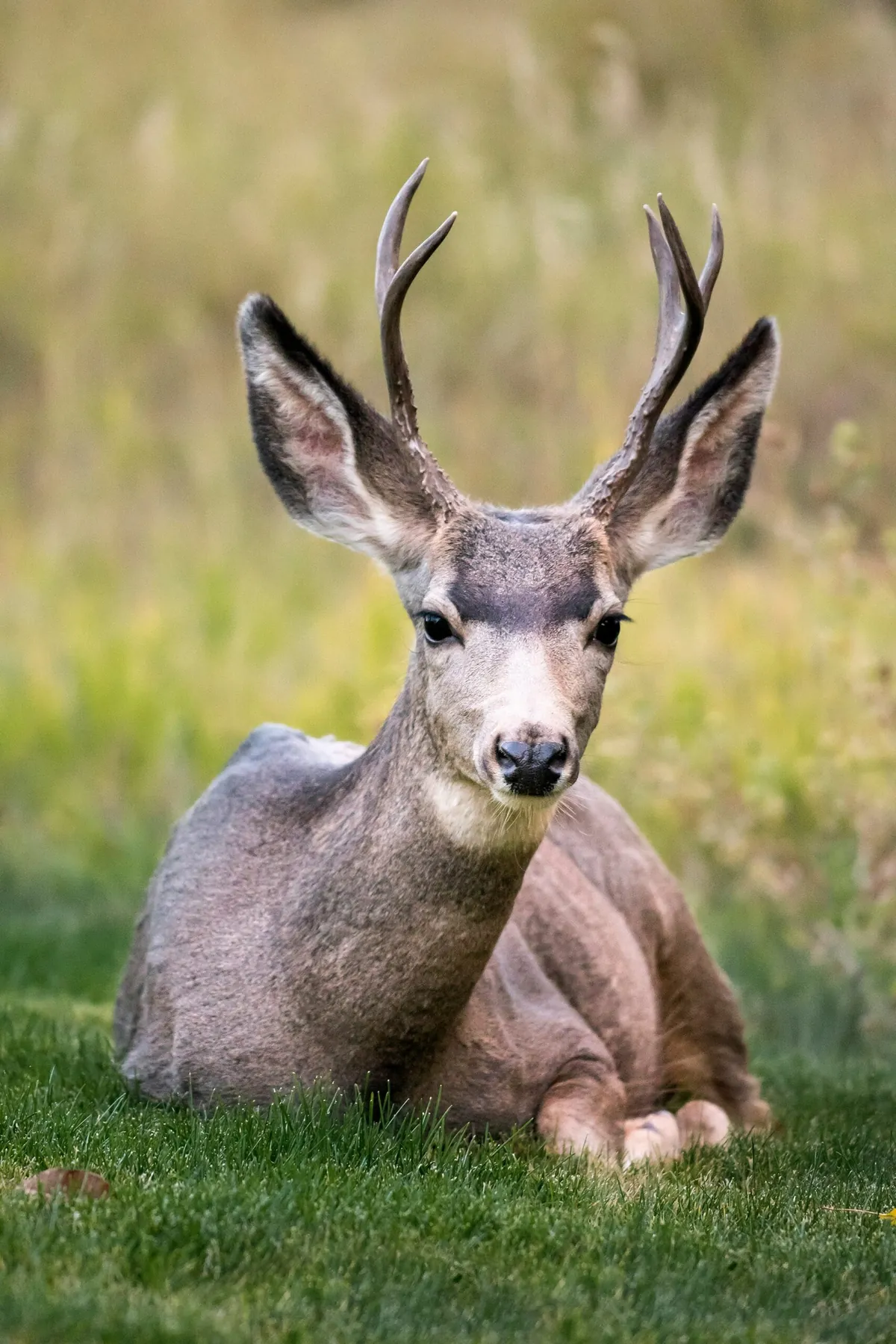
Unlike true deer, musk deer have no antlers at all; males instead grow long, protruding, tusk-like canine teeth used in fights over mates.
Only males produce musk, a strong-smelling secretion made in an abdominal gland called the musk pod, historically prized in perfumes and traditional medicine.
Because musk has sold for extremely high prices, poaching has been the single greatest threat to musk deer populations across their range.
Most modern perfumes now use synthetic musk compounds instead of the real thing, easing some (though not all) pressure on wild populations.
There are seven recognized species of musk deer, found across a wide swath of Asia including the Himalayas (Bhutan, India, Nepal, China), Siberia, Mongolia, Korea, and Myanmar.
Musk deer typically live in forested mountain terrain at altitudes above roughly 2,600 meters (8,500 feet), sometimes ranging up to 4,500 meters.
On the IUCN Red List, most musk deer species are classified as Endangered, while the Siberian musk deer is listed as Vulnerable.
All musk deer species are protected under CITES, with international trade in musk tightly restricted or banned.
Musk deer are herbivores, browsing on leaves, grasses, and flowers in summer and switching to twigs, bark, and lichens to survive winter.
They are solitary and territorial, typically only seeking each other out during the breeding season, or rut, which runs roughly from November through January.
After a gestation of about six months, females usually give birth to a single fawn, though twins occur occasionally.
Wild musk deer typically live 10 to 14 years, and can live even longer, up to about 20 years, in captivity.
Musk deer are mainly nocturnal or crepuscular, most active at dawn, dusk, and night, which helps them avoid predators and human contact.
Their hind legs are noticeably longer than their front legs, giving them a hunched posture that helps them leap and clamber over steep, rocky terrain.
Musk deer communicate through scent marking, body posture, and vocalizations, including hisses and other alarm calls when threatened.
They tend to be excellent, agile jumpers, using rocky outcrops and dense undergrowth to escape predators like wolves, lynx, and birds of prey.
Musk deer are small compared to most deer relatives, generally standing about 50 to 70 centimeters (20 to 28 inches) tall at the shoulder.
Frequently asked questions
What is musk used for?
Musk from musk deer has been used for centuries in perfumes, incense, and traditional medicines for its strong, long-lasting scent. Today most perfumes use synthetic musk substitutes, reducing (but not eliminating) demand for the real thing.
How do musk deer protect themselves from predators?
Musk deer rely on speed, agility, and the dense cover of their mountain forest habitat to evade predators such as wolves, lynx, and large birds of prey, often escaping by leaping across steep, rocky ground.
Are musk deer related to other types of deer?
Not closely. Musk deer belong to their own family, Moschidae, which is distinct from Cervidae, the family that includes elk, moose, and common deer species.
Can musk deer be found in captivity?
Yes, some zoos and dedicated musk-deer breeding centers (particularly in China) keep and breed them, partly to supply musk without killing wild animals, though they can be difficult to keep and breed successfully.
Why are musk deer endangered?
Poaching for their valuable musk gland is the primary threat, compounded by habitat loss and fragmentation across their mountain forest range. Most musk deer species are now listed as Endangered on the IUCN Red List.
How can I help musk deer conservation?
Supporting reputable wildlife conservation organizations working in Asia, avoiding products containing real musk, and raising awareness of the species' threatened status are practical ways to help.
We write every article to be genuinely fun — and genuinely true. Each fact is checked against reputable sources before it goes live. Spotted something off? Tell us and read our fact-check policy.