Every August, Earth plows through a trail of ancient comet dust and the night sky lights up with the Perseids — the most popular meteor shower of the year.
2026 is a standout: the peak falls on a moonless night. Here are the fact-checked essentials.
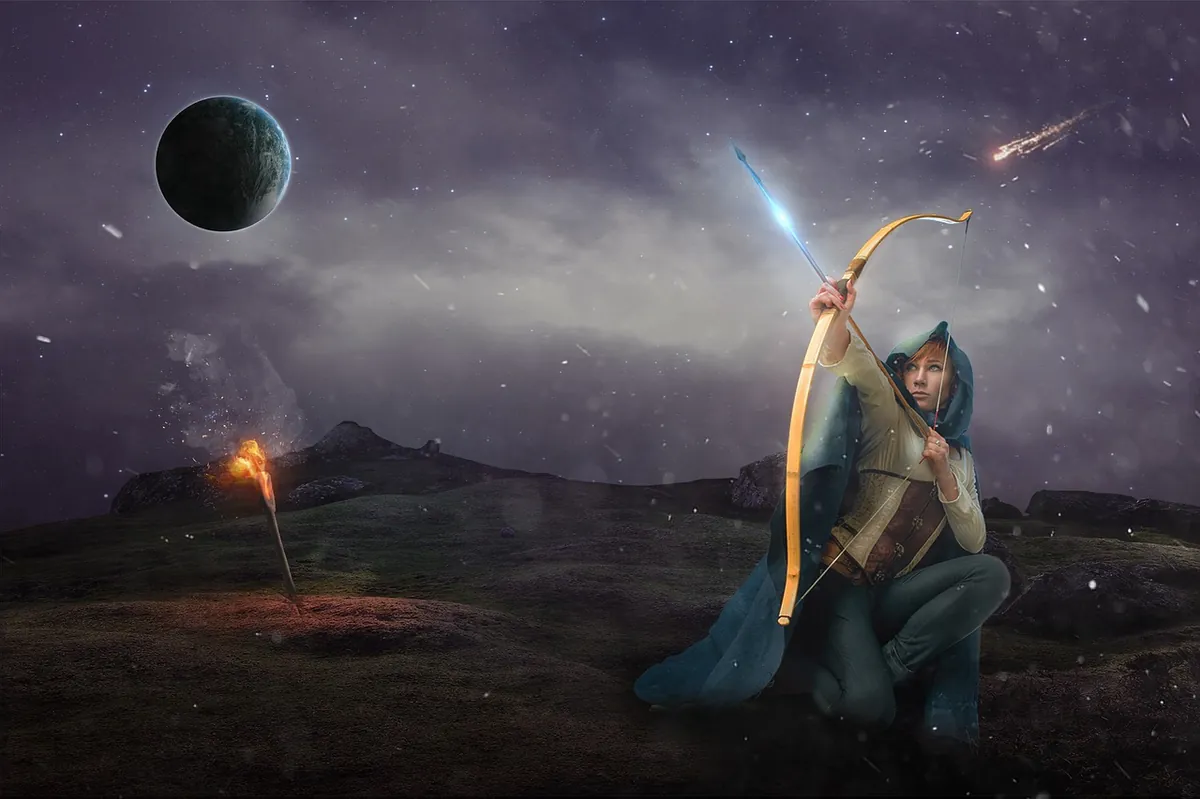
Every August, Earth plows through a trail of ancient comet dust and the night sky lights up with the Perseids — the most popular meteor shower of the year.
2026 is a standout: the peak falls on a moonless night. Here are the fact-checked essentials.
The Perseid meteor shower is active from about July 17 to August 24 each year, peaking in mid-August.
In 2026 the Perseids peak on the night of August 12-13, and a new moon means dark skies with almost no moonlight to wash out the show.
Under ideal dark-sky conditions at peak, observers can see up to about 100 meteors per hour.
The meteors are debris shed by Comet 109P/Swift-Tuttle, which orbits the Sun roughly every 133 years.
The specks of comet dust hit Earth's atmosphere at about 37 miles per second (59 km/s), burning up as streaks of light.
Most Perseid meteors are no bigger than a grain of sand, yet they can outshine the stars as they vaporize.
The shower is named for the constellation Perseus, from which the meteors appear to radiate — this point is called the radiant.
The meteors don't actually come from Perseus; the constellation just marks the direction Earth is moving through the debris stream.
The Perseids are famous for producing bright 'fireballs' — especially brilliant meteors that can leave glowing trails lasting seconds.
The best viewing is in the pre-dawn hours, roughly 2 a.m. to dawn, when your side of Earth faces into the meteor stream.
You don't need a telescope or binoculars — meteor showers are best watched with the naked eye and a wide view of the sky.
It takes about 15-30 minutes in the dark for your eyes to fully adjust, so avoid looking at phone screens.
Records of the Perseids go back nearly 2,000 years, with early Chinese observations of the shower.
Comet Swift-Tuttle, the Perseids' source, is about 16 miles (26 km) wide — larger than the object thought to have wiped out the dinosaurs.
The Perseids are a Northern Hemisphere favorite because the radiant climbs high in the summer sky, when nights are comfortable for stargazing.
We write every article to be genuinely fun — and genuinely true. Each fact is checked against reputable sources before it goes live. Spotted something off? Tell us and read our fact-check policy.
 Science & Tech
Why does the Moon turn blood-red? Fact-checked lunar eclipse facts, including the deep partial eclipse visible across the Americas on August 28, 2026.
 Science & Tech
A total solar eclipse crosses Europe on August 12, 2026 — the first since 1999. Fact-checked facts about solar eclipses, safety, and what to expect.
 Science & Tech
How big can a black hole get, and could one swallow Earth? Fact-checked black hole facts, from Sagittarius A* to Hawking radiation.
 Science & Tech
You'll spend about a third of your life asleep. Fact-checked sleep facts: REM, dreams, the glymphatic system, and what sleep loss really does.