FFacts On Tap Editorial Team Fact-checkedUpdated January 10, 20264 min read
Share
Italy is a boot-shaped country in southern Europe famous for ancient ruins, world-class art, and food that needs no introduction. But beyond pizza and the Colosseum, Italy holds some genuinely surprising records — from the most UNESCO World Heritage Sites of any country to the oldest university still operating today.
Here are 24 fun, fact-checked facts about Italy.
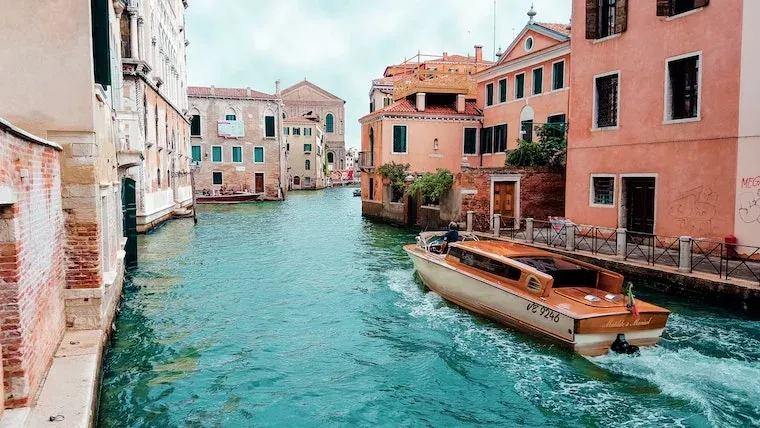
Italy has more UNESCO World Heritage Sites than any other country in the world, with 61 sites as of 2026, including the historic centers of Rome, Florence, and Venice, the Amalfi Coast, and the ruins of Pompeii.
Italy's population is roughly 59 million people, making it one of the 25 most populous countries in the world.
Italian is the official language of Italy, but several regional and minority languages are also recognized, including Sardinian, Friulian, and Ladin.
Italy is a member of the European Union and uses the euro as its currency.
The country is home to some of the world's most famous fashion houses, including Gucci, Prada, and Armani.
Italy has a rich history in the arts, with Renaissance masters such as Leonardo da Vinci, Michelangelo, and Raphael all born or trained in the country.
The Leaning Tower of Pisa currently leans at an angle of about 3.97 degrees and has stood since construction began in the 12th century.
Italy has a largely Mediterranean climate, with hot, dry summers and mild, wetter winters, especially along its coastlines in regions like the Amalfi Coast and Sardinia.
Italian cuisine has spread worldwide through dishes like pizza, pasta, and gelato, alongside regional specialties such as Neapolitan pizza and Tuscan bistecca.
Rome, Italy's capital, is nicknamed the "Eternal City" and is home to landmarks including the Colosseum, the Roman Forum, and St. Peter's Basilica.
Italy is one of the world's most visited countries, drawing tens of millions of international tourists each year, with Rome, Venice, Florence, and the Amalfi Coast among the top draws.
Italy has a diverse economy built on tourism, fashion, and manufacturing, and it is home to iconic automotive brands such as Ferrari, Lamborghini, and Maserati.
The University of Bologna, founded in 1088, is widely considered the oldest continuously operating university in the world.
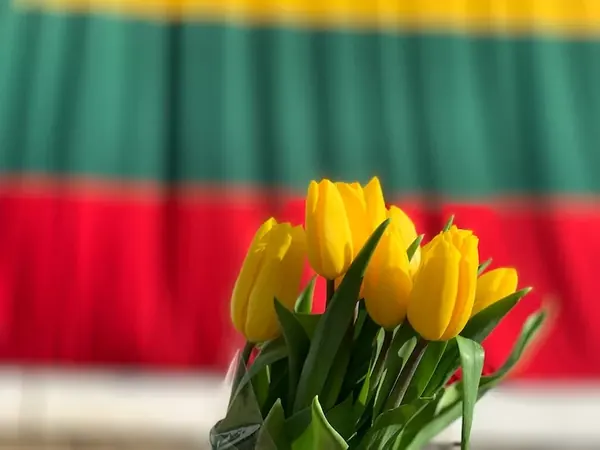
The Italian flag is a tricolor of green, white, and red, adopted in its modern form in 1946 when Italy became a republic.
Vatican City, an independent city-state surrounded entirely by Rome, is the headquarters of the Roman Catholic Church and home to St. Peter's Basilica, the largest church in the world by interior area.
Italy hosts many famous festivals, including the Venice Carnival and the Palio di Siena horse race.
The Italian Alps are home to top ski resorts including Courmayeur, Cervinia, and Cortina d'Ampezzo.
Italy's high-speed rail network includes Frecciarossa trains that reach speeds of up to 300 km/h (186 mph), connecting cities like Milan, Rome, Naples, and Florence.
Italian opera remains globally influential, with classics like La Traviata and Rigoletto still performed in theaters around the world today.
Italy hosts major sporting events including the Giro d'Italia cycling race, the Italian Open tennis tournament, and the Italian Grand Prix Formula One race.
Italian directors such as Federico Fellini, Roberto Rossellini, and Michelangelo Antonioni had a major influence on world cinema.
Estimates of Italy's coastline range from about 7,500 to 7,900 km (roughly 4,700 to 4,900 miles), including beaches such as Cala Goloritze in Sardinia and Positano on the Amalfi Coast.
Italy is a major wine producer, with regions like Tuscany, Piedmont, and Sicily known for globally famous wines including Chianti, Barolo, and Brunello di Montalcino.
Italy is shaped like a boot and is bordered by four countries — France, Switzerland, Austria, and Slovenia — as well as the microstates of San Marino and Vatican City, which sit entirely within its borders.
Frequently asked questions
What is the best time of year to visit Italy?
Late spring (April to June) and early fall (September to October) offer mild weather and smaller crowds. July and August are hot and busy at major tourist sites.
What are the must-see attractions in Italy?
Popular highlights include the Colosseum and Roman Forum in Rome, the canals of Venice, the art museums of Florence, the Amalfi Coast, and the ancient ruins of Pompeii.
What language is spoken in Italy?
Italian is the official language. It is a Romance language related to Spanish, Portuguese, and French, and several regional languages like Sardinian and Friulian are also spoken.
Is it easy to travel around Italy?
Yes. Italy has an extensive high-speed rail network connecting major cities, along with regional trains and buses that reach smaller towns.
Is tipping expected in Italy?
Tipping isn't generally expected since a service charge is often already included in the bill, though rounding up or leaving small change for good service is common.
What currency does Italy use?
Italy uses the euro (EUR), having adopted it as a founding member of the eurozone.
We write every article to be genuinely fun — and genuinely true. Each fact is checked against reputable sources before it goes live. Spotted something off? Tell us and read our fact-check policy.