FFacts On Tap Editorial Team Fact-checkedUpdated January 1, 20263 min read
Share
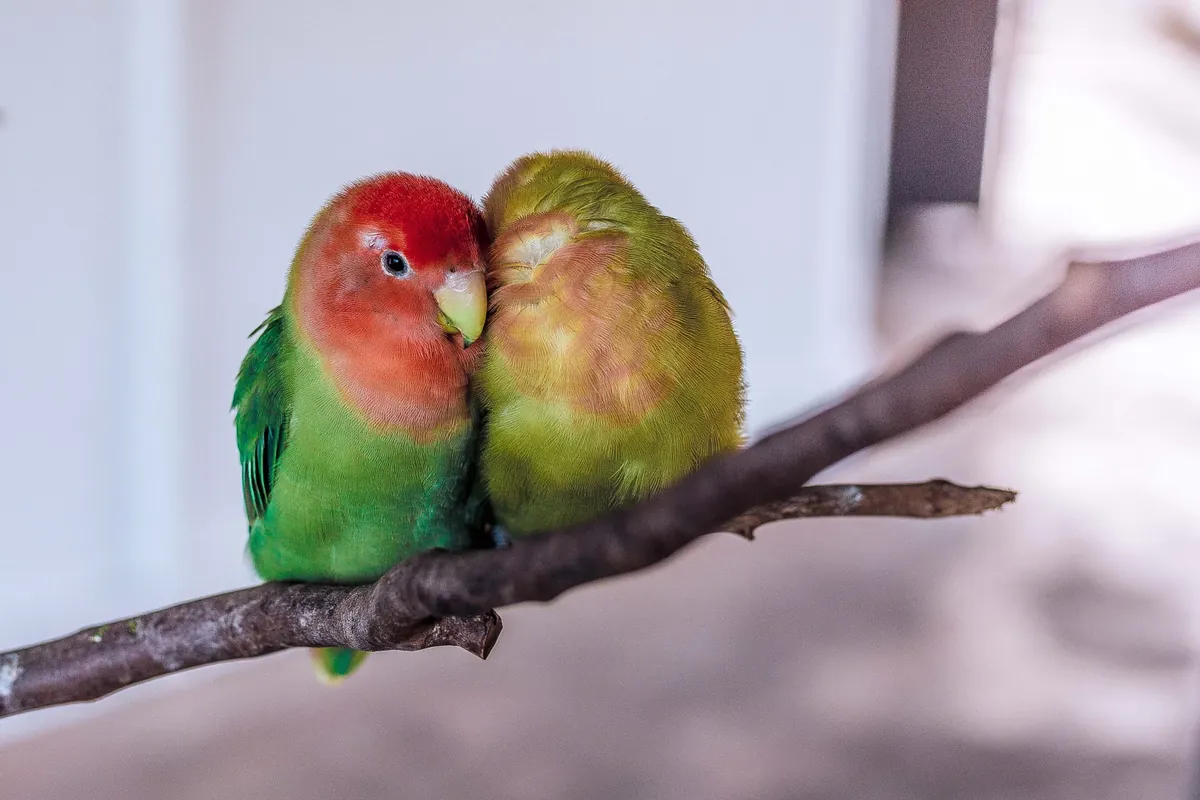
Lovebirds are small, stocky parrots native to Africa (with one species found on the island of Madagascar), prized for their vivid colors and their famously affectionate bonds with their mates — which is exactly how they got their name.
If you're considering one as a pet, or just love a good bird fact, here's what's actually true about these feisty little companions.
There are nine recognized species of lovebird in the genus Agapornis, and all but one are native to mainland Africa; the grey-headed lovebird is native to Madagascar.
Lovebirds are highly social and generally do best kept in pairs or with plenty of daily interaction from their owner if kept alone.
Lovebirds typically live 10 to 15 years in captivity with good care, and some individuals have lived well into their 20s.
Lovebirds are intelligent and can learn simple tricks, though they're not known for talking as clearly as larger parrots like African greys or Amazons.
Lovebirds are quieter than many larger parrot species, which makes them a more apartment-friendly option, though they can still be loud in short bursts.
In the wild, most lovebird species form monogamous pair bonds; in captivity, a lovebird can also form a strong attachment to a single human companion.
Male and female lovebirds look nearly identical in most species, and reliable sexing usually requires DNA testing or a vet exam rather than behavior alone.
Lovebirds need a varied diet of high-quality pellets or seed mix supplemented with fresh vegetables and fruit; they're prone to obesity on seed-only diets.
Lovebirds are enthusiastic chewers, so they need a steady supply of safe toys and perches to keep their beaks worn down and their minds occupied.
Like most parrots, lovebirds are susceptible to respiratory infections, so a clean cage, good ventilation, and regular vet checkups matter.
Lovebirds can be nippy or territorial, especially during breeding season, so supervision is recommended around young children.
Some birds, including lovebirds, can be conditioned to reliably relieve themselves in a designated spot or on cue — but this is behavioral training, not true litter-box use, since birds don't have the same voluntary muscle control as mammals.
Lovebirds require regular nail trims and benefit from natural perches and cuttlebone or mineral blocks to help keep their beaks a healthy length.
Lovebirds are intelligent and social enough that they can become stressed or withdrawn if consistently under-stimulated or left alone too long.
A few U.S. states restrict or require permits for owning certain parrot species, so it's worth checking local and state regulations before buying a lovebird.
Lovebirds get their common name from the mutual preening and close physical affection pairs display toward each other.
The peach-faced lovebird is the most common species kept as a pet and comes in dozens of color mutations bred in captivity.
Frequently asked questions
What is the lifespan of a lovebird?
Pet lovebirds typically live 10 to 15 years with proper care, and some individuals live into their 20s or beyond.
Do lovebirds make good apartment pets?
They can be a good fit since they're generally quieter than larger parrots, though they still vocalize and need daily attention and space to move.
How many species of lovebirds are there?
There are nine recognized species in the genus Agapornis, most native to Africa.
Do male and female lovebirds look alike?
In most species, yes — males and females look nearly identical, so DNA testing or a vet exam is the most reliable way to determine sex.
What do lovebirds eat?
A healthy diet includes quality pellets or a seed mix along with fresh vegetables and fruit; an all-seed diet raises the risk of obesity.
Are lovebirds recommended for households with small children?
Supervision is a good idea, since lovebirds can nip or become territorial, particularly during breeding season.
We write every article to be genuinely fun — and genuinely true. Each fact is checked against reputable sources before it goes live. Spotted something off? Tell us and read our fact-check policy.