Facts About Cucamelons: Nature's Quirky Mini Marvels
FFacts On Tap Editorial Team Fact-checkedUpdated July 12, 20263 min read
Share
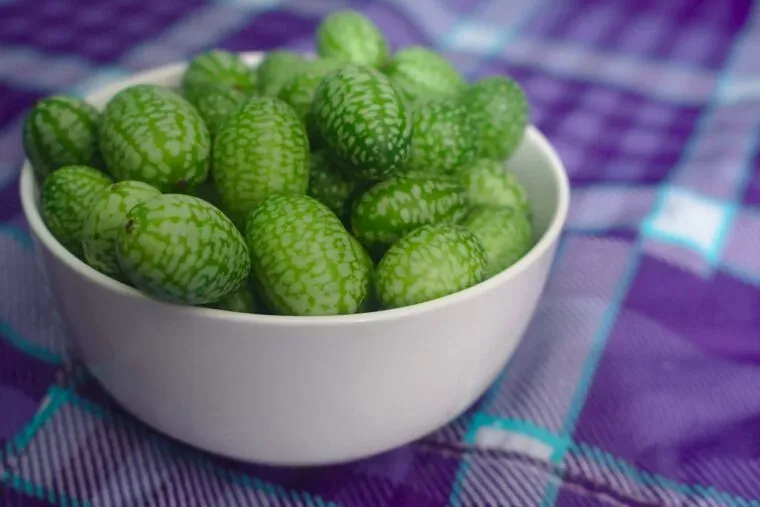
Cucamelons look like miniature watermelons no bigger than a grape, but bite into one and you get a crisp, tangy flavor closer to cucumber with a splash of citrus sourness. Also called Mexican sour gherkins or mouse melons, they've been grown in Mexico and Central America for generations, long before they became a trendy garnish at farmers markets.
Here's what's actually true about this odd little fruit, from its botanical roots to how to grow a batch on your own patio.
Cucamelons (Melothria scabra) are native to Mexico and Central America, with the plant's natural range extending into northern South America, including Colombia and Venezuela.
They have been grown and eaten by indigenous peoples in Mexico for centuries as part of traditional cuisine.
Cucamelons belong to the Cucurbitaceae family, making them relatives of cucumbers, melons, and squash.
Despite looking like tiny watermelons, cucamelons are most closely related to cucumbers and melons, not watermelons.
The fruit typically grows to about the size of a grape, roughly 2.5 to 4 cm long.
Cucamelons are low in calories, making them a light, guilt-free snack.
They provide vitamin C, vitamin K, and potassium, along with dietary fiber.
Cucamelons contain antioxidant compounds that help the body fight cellular damage from free radicals.
Their high water content makes them a hydrating snack, similar to cucumbers.
Cucamelons add crunch and a citrusy tang when tossed into salads.
Chopped cucamelons make a zesty addition to salsa alongside tomatoes, onions, and cilantro.
Pickled cucamelons, brined with vinegar and spices, are a popular way to preserve their crunch and tang.
Bartenders sometimes use cucamelons as a novelty garnish for cocktails in place of traditional cucumber slices or olives.
Cucamelon plants are vigorous climbing vines and grow best with a trellis or other support.
They thrive in full sun and well-draining soil, similar to their cucumber relatives.
Seeds are typically started indoors in late spring and transplanted outdoors after the last frost, since the plants are frost-sensitive.
Cucamelons are best harvested while still small, around grape size, for the crispest texture and flavor before they turn mushy.
Cucamelons can be grown successfully in containers as long as the pot has good drainage and the vine has something to climb.
Frequently asked questions
What do cucamelons taste like?
Cucamelons taste like a cucumber with a tangy, citrusy sourness. They're crisp and refreshing, which makes them popular in salads, salsas, and as a pickle.
Can I eat cucamelons raw?
Yes. Cucamelons are commonly eaten raw as a snack or added raw to salads and salsas.
How do I store cucamelons?
Store cucamelons in a sealed container or bag in the refrigerator, where they'll stay fresh for about a week.
Can I grow cucamelons in a container?
Yes. Use a well-draining container, give the vine a trellis or support to climb, and place it in full sun with regular watering.
Are cucamelons related to watermelons?
No. Despite the look and the name, cucamelons are more closely related to cucumbers and melons within the Cucurbitaceae family, not to watermelons specifically.
We write every article to be genuinely fun — and genuinely true. Each fact is checked against reputable sources before it goes live. Spotted something off? Tell us and read our fact-check policy.