FFacts On Tap Editorial Team Fact-checkedUpdated June 12, 20263 min read
Share
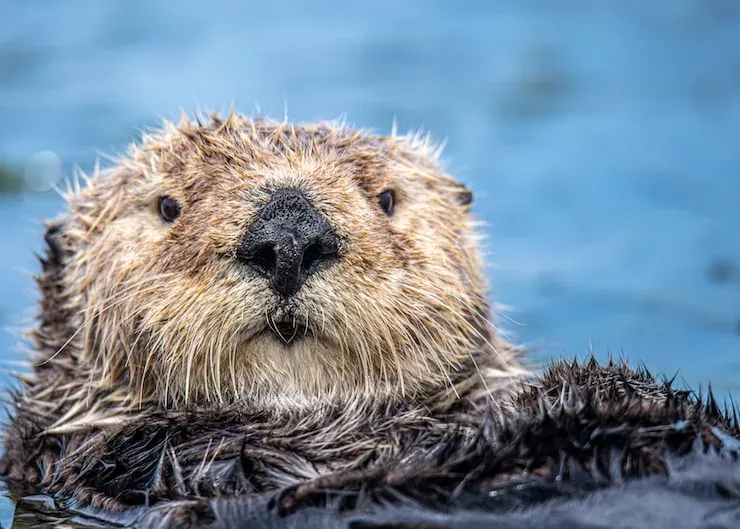
Otters are some of the most charismatic creatures in the animal kingdom - playful, whip-smart, and built for life in the water. But behind the viral videos of them holding hands and floating on their backs is a genuinely remarkable set of adaptations.
Here are the real facts about otters, checked against reputable wildlife sources.
Otters belong to the family Mustelidae, which also includes badgers, weasels, and ferrets.
There are 13 recognized otter species (a 14th, the Congo clawless otter, is still debated by taxonomists), including the sea otter, river otter, and giant otter.
Otters are found on every continent except Australia and Antarctica.
Sea otters can hold their breath for up to about five minutes, though typical dives last closer to a minute; the longest recorded dive was around four and a half minutes.
Otters have webbed feet and are strong swimmers, with river otters capable of speeds around 6 miles per hour.
Otters use their long, muscular tails to help steer and propel themselves through the water.
Sea otters have the densest fur of any mammal, with up to about one million hairs per square inch.
Instead of relying on blubber like most marine mammals, otters depend on their thick, water-repellent fur to trap air and stay warm.
Otters are carnivores and eat a diet of fish, shellfish, and crustaceans.
Sea otters have a loose pouch of skin under each foreleg where they can tuck a favorite rock, which they use as a tool to crack open shellfish.
Otters are social animals, and a group of otters is called a raft.
Otters communicate using a range of sounds, including whistles, chirps, and growls.
River otters are most active around dawn and dusk, while sea otters are active both day and night.
Sea otters can dive to depths of over 300 feet when hunting, though they usually forage much shallower.
Sea otters have a very high metabolism and typically eat 20 to 30 percent of their body weight in food each day to stay warm.
Otters can live up to 20 years in captivity, though wild lifespans are usually shorter.
Otters are playful by nature and are often seen sliding down muddy or snowy banks for fun.
Otters play an important ecological role as a keystone species, helping to keep fish and shellfish populations in balance.
Many otter species are threatened by habitat loss, water pollution, and historical hunting for their fur.
Otters are legally protected in many countries, and conservation groups continue working to restore their populations.
Sea otters are famous for holding hands, called "rafting up," while resting at the surface so they don't drift apart while sleeping.
Sea otters are one of the few animals known to use tools, using rocks as anvils and hammers to open shellfish.
The giant otter, found in South America, is the longest otter species, reaching up to 6 feet from nose to tail.
Frequently asked questions
What is the difference between sea otters and river otters?
Sea otters live in the ocean, are fully webbed, and rarely come ashore, while river otters live in freshwater habitats, have only partially webbed feet, and spend more time on land.
What do otters eat?
Otters are carnivores that primarily eat fish, shellfish, and crustaceans, though diet varies somewhat by species and habitat.
How do otters hunt for food?
Otters dive underwater and use their sharp teeth and sensitive whiskers to locate and catch prey, sometimes using rocks as tools to crack open shells.
Are otters social animals?
Yes, many otters are social and gather in groups called rafts, though some species are more solitary than others.
Do otters mate for life?
No, most otter species do not form lifelong pair bonds and typically mate with multiple partners.
What is the biggest species of otter?
The giant otter of South America is the largest otter species, reaching up to about 6 feet in length.
We write every article to be genuinely fun — and genuinely true. Each fact is checked against reputable sources before it goes live. Spotted something off? Tell us and read our fact-check policy.