FFacts On Tap Editorial Team Fact-checkedUpdated May 30, 20233 min read
Share
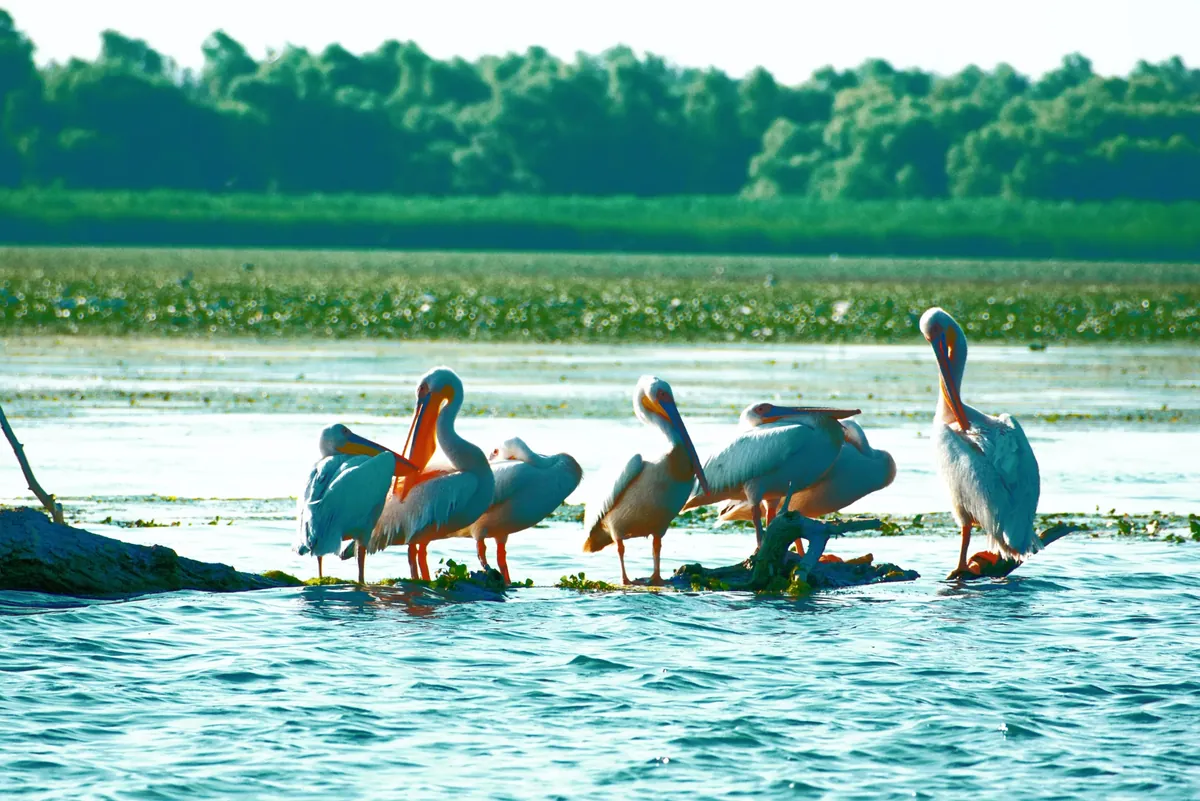
Pelicans are among the most unmistakable birds on the planet, instantly recognizable by their oversized bills and stretchy throat pouches. They've been gliding over coastlines and lakes for tens of millions of years, long before humans arrived on the scene.
Whether you're a birdwatcher or just pelican-curious, here are some verified facts about these remarkable water birds.
Pelicans are a group of large water birds that belong to the family Pelecanidae, in the genus Pelecanus.
There are eight living species of pelican, including the brown pelican and the American white pelican.
Pelicans are found on every continent except Antarctica.
Pelicans are known for their long bills and large, stretchy throat pouches, which they use to catch fish.
A pelican's throat pouch can hold up to three gallons of water, roughly three times what its stomach can hold.
Brown pelicans plunge-dive from as high as 60 feet in the air, but their air-filled sacs make them very buoyant, so they only go a few feet below the surface when they hit the water.
Pelicans are social birds, and some species, like the American white pelican, hunt cooperatively by herding fish into shallow water.
Pelicans can soar for long distances on air currents without flapping their wings.
Pelicans have fully webbed feet on all four toes, which help them swim and paddle efficiently.
Pelicans can live up to 30 years in the wild, and even longer in captivity.
Pelicans are seasonally monogamous: a pair bonds for one breeding season to raise their chicks, then typically choose new mates the following year rather than mating for life.
Pelicans build nests on the ground or in trees, depending on the species.
Pelican chicks hatch naked and blind, and are fed regurgitated fish by both parents.
Pelican populations have declined in some areas due to habitat loss, pollution, and pesticide contamination.
Pelicans are protected in the United States under the Migratory Bird Treaty Act.
Pelicans help control fish populations in their ecosystems as opportunistic predators.
Pelicans are a popular draw for birdwatchers and photographers along coastlines worldwide.
Pelicans have appeared in art and symbolism for centuries, including in medieval heraldry and ancient depictions.
The brown pelican is the official state bird of Louisiana.
Pelicans have lent their name to sports teams, including the NBA's New Orleans Pelicans.
The oldest known pelican fossil, discovered in Egypt, dates back roughly 30 to 38 million years to the late Eocene and early Oligocene epochs.
A pelican fossil found in southeastern France shows that pelican beak shape has stayed remarkably unchanged for around 30 million years.
Frequently asked questions
How do pelicans catch fish?
Pelicans use their long bills and stretchy throat pouches to scoop up fish and water together. They then drain the water out through the sides of their bill before swallowing the fish whole.
Are pelicans endangered?
Most pelican species are not currently endangered, though some populations have declined in certain regions due to habitat loss, pollution, and pesticide exposure. In the U.S., pelicans are protected under the Migratory Bird Treaty Act.
Where do pelicans live?
Pelicans live on every continent except Antarctica, favoring coastal areas, lakes, and wetlands where fish are plentiful.
Do pelicans migrate?
Many pelican species migrate seasonally, traveling to find food and suitable breeding grounds, though some populations stay in the same region year-round if conditions allow.
How long do pelicans live?
Pelicans typically live up to 30 years in the wild, with some individuals living even longer in captivity.
Do pelicans mate for life?
No. Pelicans are seasonally monogamous, meaning a pair stays together to raise one brood of chicks and then usually splits up, choosing new mates the following breeding season.
We write every article to be genuinely fun — and genuinely true. Each fact is checked against reputable sources before it goes live. Spotted something off? Tell us and read our fact-check policy.