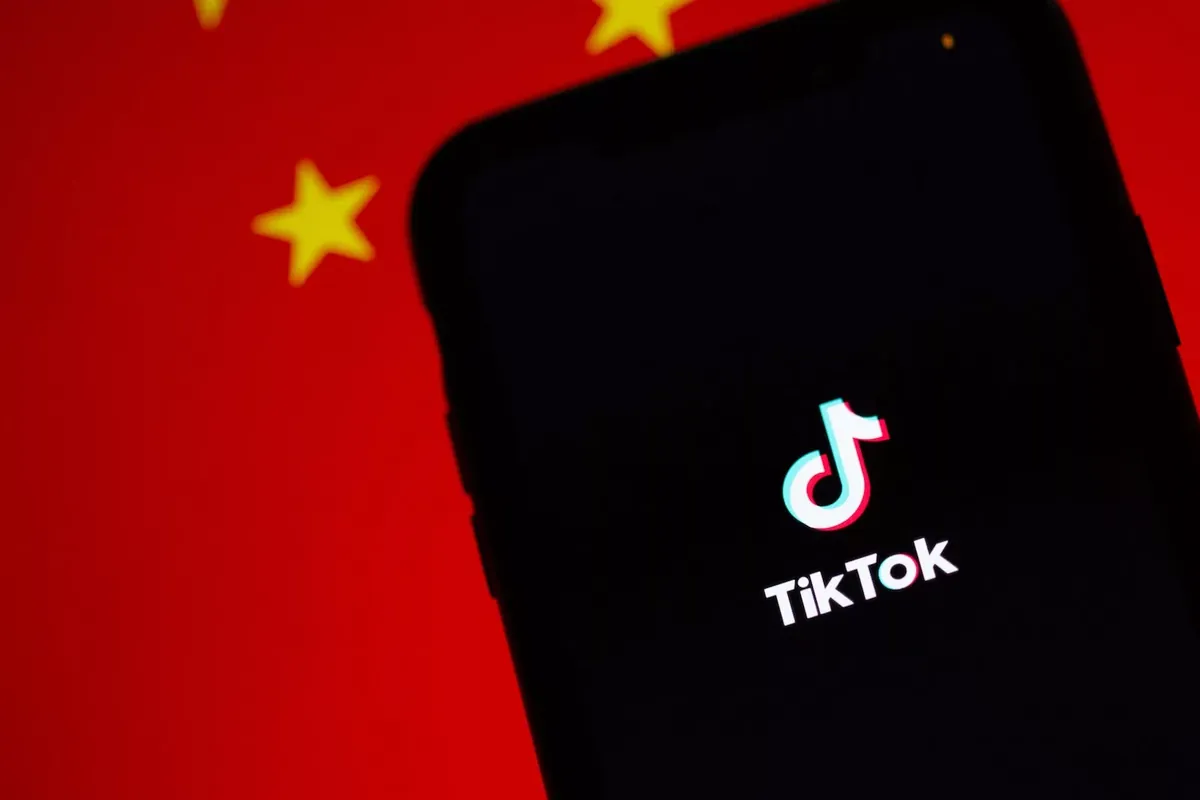
Facts About New Zealand's TikTok Ban for Parliament
FFacts On Tap Editorial Team Fact-checkedUpdated November 24, 20253 min read
Share
In March 2023, New Zealand's Parliamentary Service told everyone with access to the parliamentary network to remove TikTok from their devices, citing cybersecurity risks tied to the app's Chinese ownership. It made New Zealand one of dozens of governments worldwide to restrict the app on official devices that year.
Here's what really happened, why it happened, and how New Zealand's move compared to bans elsewhere.
New Zealand's Parliamentary Service announced on March 17, 2023 that TikTok would be banned from all devices with access to the parliamentary network.
The ban took effect by the end of March 2023, giving affected users about two weeks to remove the app.
The decision covered roughly 500 people working in and around New Zealand's parliamentary complex, including MPs and staff.
Parliamentary Service chief executive Rafael Gonzalez-Montero said the decision followed consultation with cybersecurity experts and officials from other countries.
The stated concern was that TikTok's Chinese owner, ByteDance, could be compelled under Chinese law to share user data with the government, posing a security risk on devices connected to parliament's network.
Exceptions were allowed for staff who needed TikTok to carry out their public duties, such as engaging with constituents on the platform.
New Zealand's ban applied only to parliamentary devices, not to the general public or to all government agencies nationwide.
The United Kingdom banned TikTok from government devices just days before New Zealand, in mid-March 2023.
The United States banned TikTok on federal government devices starting in early 2023 following a directive from the Office of Management and Budget.
Canada and Australia also banned TikTok from government-issued devices around the same period, citing similar security concerns.
The European Parliament, European Commission, and the Council of the European Union each barred staff from having TikTok on official devices in early 2023.
TikTok has repeatedly denied that it shares user data with the Chinese government and has disputed claims that it poses a unique security risk compared to other social media apps.
TikTok is owned by Beijing-based ByteDance, though the company has stated that TikTok's US user data is stored on servers operated by Oracle as part of a data-security initiative.
Some public commentators and online petitions in New Zealand called for wider restrictions on TikTok, citing concerns about viral "challenge" trends and youth safety, though these calls did not result in a nationwide public ban.
As of 2023, TikTok had well over one billion monthly active users worldwide, making it one of the most popular social media platforms globally.
Frequently asked questions
Why did New Zealand ban TikTok for parliament?
New Zealand's Parliamentary Service banned TikTok from devices connected to the parliamentary network in March 2023, citing cybersecurity risks and concerns that the app's Chinese owner, ByteDance, could be compelled to share user data with China's government.
When did the New Zealand TikTok ban take effect?
The ban was announced on March 17, 2023 and took effect by the end of that month.
Did New Zealand ban TikTok for the general public?
No. The ban applied only to devices with access to the parliamentary network, covering roughly 500 MPs and staff, not the general public or all government agencies.
What other countries banned TikTok on government devices?
Around the same time, the United Kingdom, United States, Canada, and Australia banned TikTok on government-issued devices, and the European Parliament, European Commission, and EU Council barred it from staff devices.
Has TikTok responded to these security concerns?
Yes, TikTok has repeatedly denied sharing user data with the Chinese government and has said US user data is stored on servers operated by Oracle as part of a data-security effort.
We write every article to be genuinely fun — and genuinely true. Each fact is checked against reputable sources before it goes live. Spotted something off? Tell us and read our fact-check policy.