ASMR — those tingly, relaxing sensations some people feel from whispers, tapping, and gentle sounds — has grown from an internet curiosity into a subject of real scientific study.
Here's a fact-checked look at what's known and what isn't.
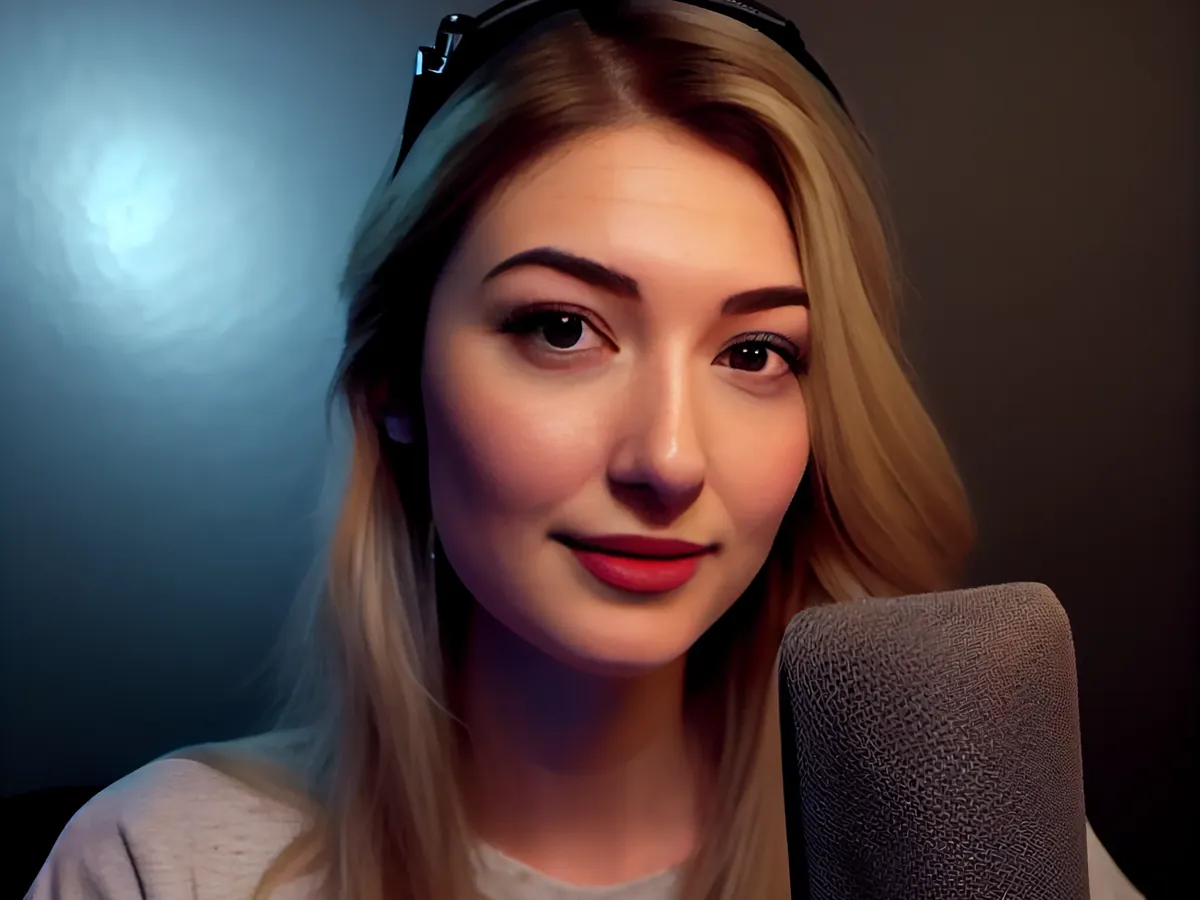
ASMR — those tingly, relaxing sensations some people feel from whispers, tapping, and gentle sounds — has grown from an internet curiosity into a subject of real scientific study.
Here's a fact-checked look at what's known and what isn't.
ASMR stands for 'autonomous sensory meridian response,' a term coined online around 2010, not a formal medical diagnosis.
It describes a tingling sensation, often starting on the scalp and neck, triggered by specific sounds, visuals, or personal attention.
Common triggers include whispering, soft tapping, page-turning, brushing sounds, and slow, deliberate hand movements.
Not everyone experiences ASMR; researchers estimate a substantial share of people feel little or nothing from typical triggers.
A 2015 study in the journal PeerJ was among the first to survey why people watch ASMR videos, finding relaxation and help with sleep as top reasons.
A 2018 University of Sheffield study found that people who experience ASMR showed reduced heart rates while watching ASMR videos, suggesting a genuine calming effect.
Many people use ASMR content to unwind, reduce anxiety, or fall asleep.
ASMR is one of the most popular content categories on platforms like YouTube, with millions of videos.
Scientists caution that ASMR research is still young, with small sample sizes, so strong medical claims aren't yet justified.
There's no solid evidence that ASMR directly improves memory or learning, despite popular claims; its documented benefits center on relaxation.
ASMR's calming, low-stress state may indirectly support focus for some people, but this is anecdotal rather than proven.
Because responses are highly individual, a trigger that relaxes one person may do nothing, or even annoy, another.
We write every article to be genuinely fun — and genuinely true. Each fact is checked against reputable sources before it goes live. Spotted something off? Tell us and read our fact-check policy.
 Science & Tech
Why does the Moon turn blood-red? Fact-checked lunar eclipse facts, including the deep partial eclipse visible across the Americas on August 28, 2026.
 Science & Tech
A total solar eclipse crosses Europe on August 12, 2026 — the first since 1999. Fact-checked facts about solar eclipses, safety, and what to expect.
 Science & Tech
The Perseids peak August 12-13, 2026 under a dark new moon — up to 100 meteors an hour. Fact-checked facts about the year's most popular meteor shower.
 Science & Tech
How big can a black hole get, and could one swallow Earth? Fact-checked black hole facts, from Sagittarius A* to Hawking radiation.