FFacts On Tap Editorial Team Fact-checkedUpdated August 27, 20234 min read
Share
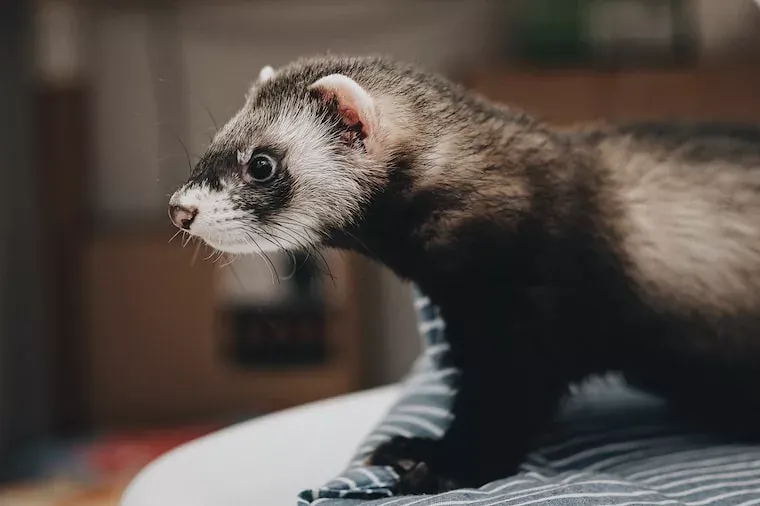
Ferrets have become one of the most popular pocket pets around, prized for their playful, mischievous personalities. But behind the wiggles and "weasel war dances" is a surprisingly specialized little predator with unusual sleep habits, a finicky digestive system, and a scent gland that likes to have the last word.
Whether you're thinking about adopting one or just curious, here are the real facts about domestic ferrets.
Domestic ferrets (Mustela putorius furo) are a domesticated form of the European polecat and belong to the weasel family, Mustelidae.
Ferrets were originally bred in Europe centuries ago for "ferreting" - flushing rabbits and rodents out of their burrows.
A pet ferret typically lives 6 to 10 years, with some individuals reaching 12 years or more with excellent care.
Ferrets are sexually dimorphic: males usually weigh 2.5 to 4 pounds (up to 6 pounds if unneutered), while females tend to run 1.5 to 3.5 pounds.
They have a long, slender body with a short tail and sharp teeth built for a carnivorous diet.
Ferrets have a very fast metabolism and a short digestive transit time, so they need small meals every few hours rather than large infrequent ones.
Ferrets are obligate carnivores and need a diet very high in animal protein and fat; they cannot digest plant matter or fiber well.
They have an excellent sense of smell and can be trained to perform simple tricks and respond to their names.
Ferrets are highly social animals that usually thrive better with companionship from other ferrets or attentive owners.
Most ferrets can be litter trained, though they're not always as reliably tidy as cats.
Ferret ownership is illegal or restricted in some places, including California and Hawaii in the U.S., due to concerns about escaped ferrets becoming invasive.
Ferrets naturally have a musky scent from their skin's sebaceous glands; bathing them too often actually strips protective oils and can make the odor worse, so vets recommend bathing only occasionally.
Ferrets are prone to certain health conditions, including adrenal gland disease, insulinoma, and lymphoma, so regular veterinary checkups are important.
Their flexible spine lets them twist and squeeze through surprisingly tight gaps and openings.
Ferrets are crepuscular, meaning they're naturally most active around dawn and dusk.
Ferrets have relatively poor eyesight and rely much more heavily on smell and hearing to navigate their world.
Ferrets are champion sleepers, typically snoozing 14 to 18 hours a day.
They're famously curious and will investigate almost any nook, bag, or box left open in the house.
Many ferrets can be leash- and harness-trained for supervised outdoor walks.
Digging is instinctual for ferrets, so owners often give them a dedicated dig box or ball pit to satisfy the urge.
Ferrets love toys, especially anything that can be tunneled through, hidden, or chased, like tubes and crinkly balls.
Ferrets are quite intelligent and can learn to recognize their names and come when called with consistent training.
Frequently asked questions
What is the best diet for a ferret?
Ferrets are obligate carnivores that need a diet very high in animal protein and fat, typically high-quality ferret-specific kibble or raw/whole-prey diets. They cannot properly digest grains, fruits, or vegetables.
Do ferrets make good pets?
Ferrets can make wonderful pets for people willing to give them daily playtime, ferret-proof their home, and provide proper vet care. They're social, playful, and bond closely with their owners, but they're a bigger commitment than many people expect.
How often should I clean my ferret's cage?
A ferret's litter box and bedding should be spot-cleaned daily and the full cage deep-cleaned at least once a week to keep odor and bacteria under control.
Do ferrets get along with other pets?
Many ferrets can coexist peacefully with calm, ferret-savvy cats and dogs under supervision, but they have a strong prey drive and generally should never be left alone with small animals like hamsters, birds, or rabbits.
Do ferrets need vaccinations?
Yes, ferrets should be vaccinated against rabies and canine distemper, both of which are fatal to ferrets. A veterinarian experienced with exotic pets can set up the right vaccination schedule.
Can ferrets be litter trained?
Yes, most ferrets can learn to use a litter box, especially if it's placed in the corners they naturally prefer. Consistency and regular cleaning make training much more successful.
We write every article to be genuinely fun — and genuinely true. Each fact is checked against reputable sources before it goes live. Spotted something off? Tell us and read our fact-check policy.