FFacts On Tap Editorial Team Fact-checkedUpdated June 13, 20232 min read
Share
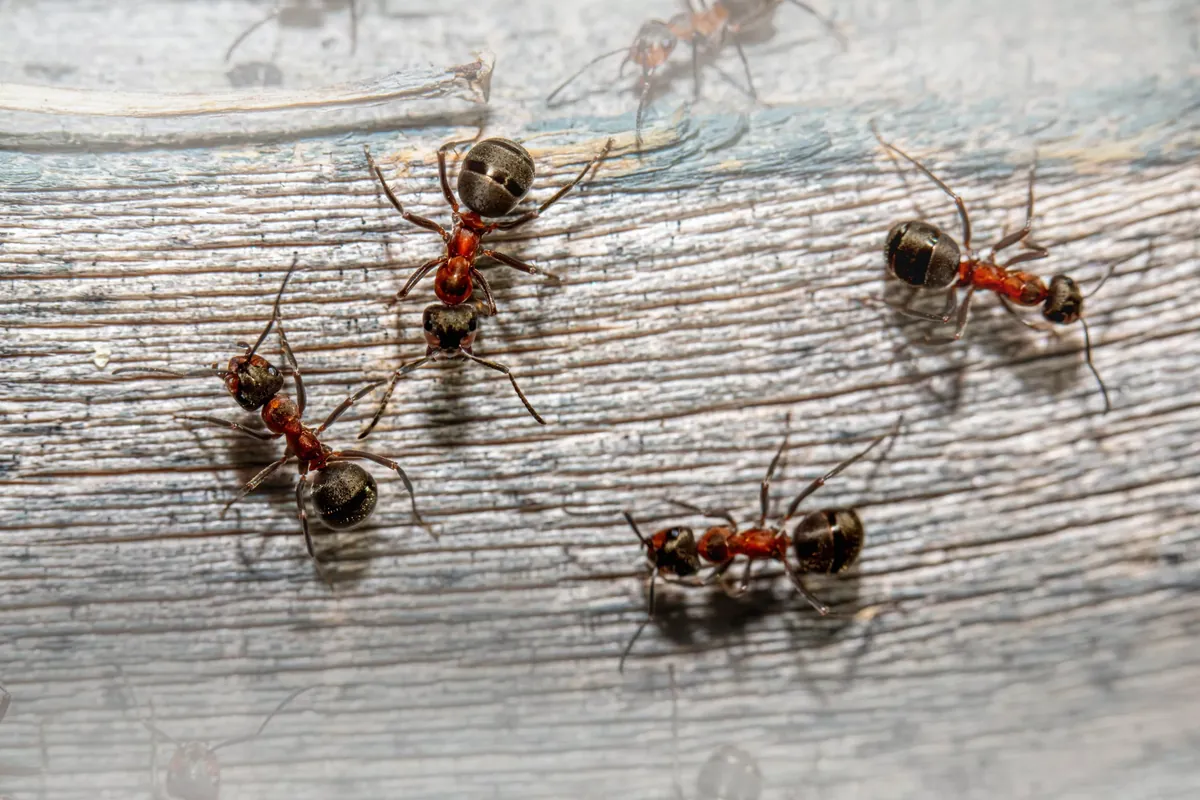
Ants have been quietly running the show since the age of dinosaurs, building colonies that can outnumber humans and outsmart plenty of predators along the way. Despite weighing only a few milligrams, they are among the most successful and resilient creatures on the planet.
Here are the facts about ants worth knowing, checked against entomology sources and museum references.
Many ants can carry many times their own body weight; leafcutter ants, among the strongest, can lift roughly 50 times their weight, comparable to a human hauling a car.
Ants communicate mainly through pheromones, chemical signals they use to mark trails, sound alarms, and point nestmates toward food.
Scientists have formally described more than 13,800 ant species worldwide, with researchers estimating thousands more remain undiscovered.
Ants have a "social stomach," or crop, used to store liquid food they later share with nestmates through mouth-to-mouth feeding called trophallaxis, in addition to their own digestive stomach.
Queen ants are unusually long-lived for insects; some queens, particularly in lab studies, have lived close to 30 years, while worker ants typically survive only a few months to a few years.
Ants act as ecosystem engineers, aerating and turning over soil as they dig tunnels and helping control populations of other insects.
Some ant species "farm" aphids, protecting them from predators in exchange for honeydew, a sugary substance the aphids secrete.
Fire ants survive floods by linking their bodies together into a waterproof, floating raft that can keep the colony alive on the surface of the water for days or even weeks.
Ants have no lungs; they breathe through a series of tiny openings on their exoskeleton called spiracles.
Rival ant colonies sometimes fight prolonged territorial battles, with documented conflicts between colonies lasting for days or weeks.
Ants evolved from wasp-like ancestors more than 100 million years ago during the Cretaceous period, making them older than most modern mammal groups.
Leafcutter ants don't eat the leaves they harvest; they use the leaf fragments to cultivate a fungus underground, which becomes their actual food source.
Frequently asked questions
What do ants eat?
Ants are omnivores, eating everything from other insects and seeds to nectar and sugary secretions like honeydew, depending on the species.
How do ants find food?
Ants rely heavily on smell. A foraging ant that finds food lays down a pheromone trail on its way back to the nest, which other workers follow to the source.
Can ants harm humans?
Most ant species are harmless to people, but some, such as fire ants, can deliver painful stings that cause welts or, in rare cases, allergic reactions.
How long do ants live?
It depends on caste: worker ants generally live a few months to a couple of years, while queen ants of some species can live for decades.
How do ants build their colonies?
Worker ants excavate soil and use saliva and body secretions to reinforce tunnels and chambers, creating networks with dedicated areas for brood, food storage, and the queen.
We write every article to be genuinely fun — and genuinely true. Each fact is checked against reputable sources before it goes live. Spotted something off? Tell us and read our fact-check policy.