FFacts On Tap Editorial Team Fact-checkedUpdated March 18, 20264 min read
Share
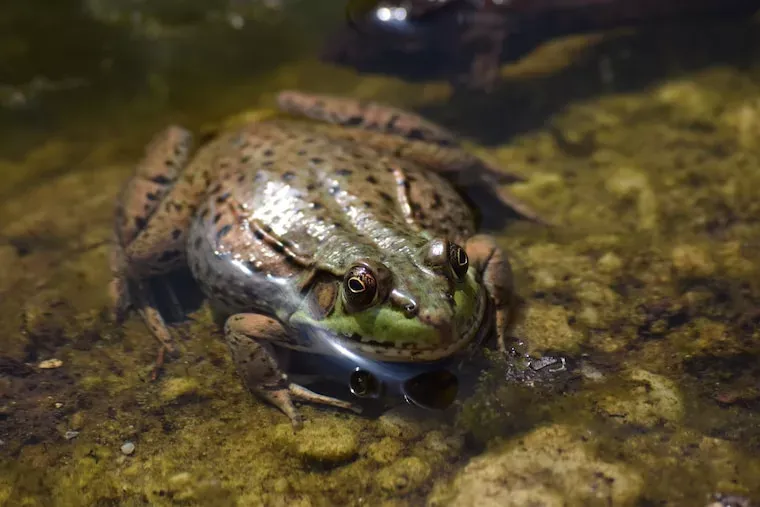
Toads have been hopping around Earth for tens of millions of years, and their squat bodies and bumpy, dry skin make them easy to tell apart from their sleeker frog cousins. Beyond the warty looks, toads are surprisingly tough amphibians with clever defenses and a bigger ecological role than most people realize.
Here are 20 fact-checked facts about toads, corrected and verified against current herpetology sources.
Toads are amphibians belonging to the family Bufonidae, sometimes called "true toads."
Bufonidae contains well over 600 recognized species found on every continent except Antarctica.
Toads have dry, bumpy, keratinized skin that helps them resist water loss better than most frogs.
They come in a variety of colors, including brown, gray, green, and black, often with mottled patterns for camouflage.
Toads have large, protruding eyes with horizontal pupils that give them a wide field of vision.
They have short, stocky legs adapted more for walking and short hops than the long leaping jumps of frogs.
Toads are largely nocturnal, most active at dusk and at night.
Most toads are primarily terrestrial as adults, only returning to ponds or slow water to breed and lay eggs.
Toads can absorb some oxygen and moisture through their skin, but they still rely on lungs and surface to breathe air; they cannot live indefinitely underwater the way fish do.
In the wild, most toads live only a few years, though some species can survive up to about 10 years; in captivity with good care, toads have been documented living 20-30+ years.
Toads are carnivorous, primarily eating insects, spiders, worms, and other small invertebrates.
Toads have a long, sticky tongue that flicks out to catch prey.
In colder climates, toads brumate (the amphibian/reptile version of hibernation), burrowing below the frost line for winter.
During breeding season, male toads call out to attract females with a loud, distinctive trill or croak.
Toads lay their eggs in long, jelly-like strands in water, unlike the clustered egg masses many frogs produce.
Toad eggs hatch into tadpoles, which metamorphose over several weeks into tiny air-breathing toadlets.
Toads have parotoid glands behind their eyes that secrete a toxic, bitter substance called bufotoxin to deter predators.
Some toad species can shift their skin tone somewhat to better match their surroundings, though true rapid color-changing is more limited than in some frogs and reptiles.
Toads are an important part of the food chain, both as predators of insects and as prey for snakes, birds, and other animals.
Toads appear as folklore symbols in many cultures, sometimes tied to luck, rain, or transformation, though these are cultural beliefs rather than scientific facts.
Frequently asked questions
What is the difference between a toad and a frog?
Toads and frogs are both amphibians, but toads typically have dry, bumpy, warty skin and shorter legs built for walking or hopping rather than long jumps. Toads also tend to be more terrestrial than frogs, which usually stay closer to water.
Are toads dangerous to humans?
Most toads are not dangerous to humans. However, many species secrete a toxic substance called bufotoxin from glands behind their eyes, which can irritate skin, eyes, or mucous membranes and can be harmful (even deadly to small pets) if ingested.
How do toads breathe?
Toads breathe primarily with lungs, supplemented by absorbing some oxygen through their moist skin. This skin respiration helps but is not enough on its own, so toads still need to surface and breathe air rather than staying submerged like fish.
What is the lifespan of a toad?
Most wild toads live only a few years, with some species reaching up to about 10 years in the wild. In captivity, with consistent care, toads have lived 20 to 30 years or more.
Are toads good for the environment?
Yes. Toads eat large numbers of insects and other invertebrates, helping keep pest populations in check, and they in turn serve as food for snakes, birds, and mammals, making them a useful link in local food webs.
Do toads make good pets?
Some toad species can make hardy, long-lived pets, but they need a properly set up terrarium, correct humidity, and an appropriate live-food diet. Prospective owners should research the specific species' needs and check local regulations before acquiring one.
We write every article to be genuinely fun — and genuinely true. Each fact is checked against reputable sources before it goes live. Spotted something off? Tell us and read our fact-check policy.