FFacts On Tap Editorial Team Fact-checkedUpdated July 9, 20263 min read
Share
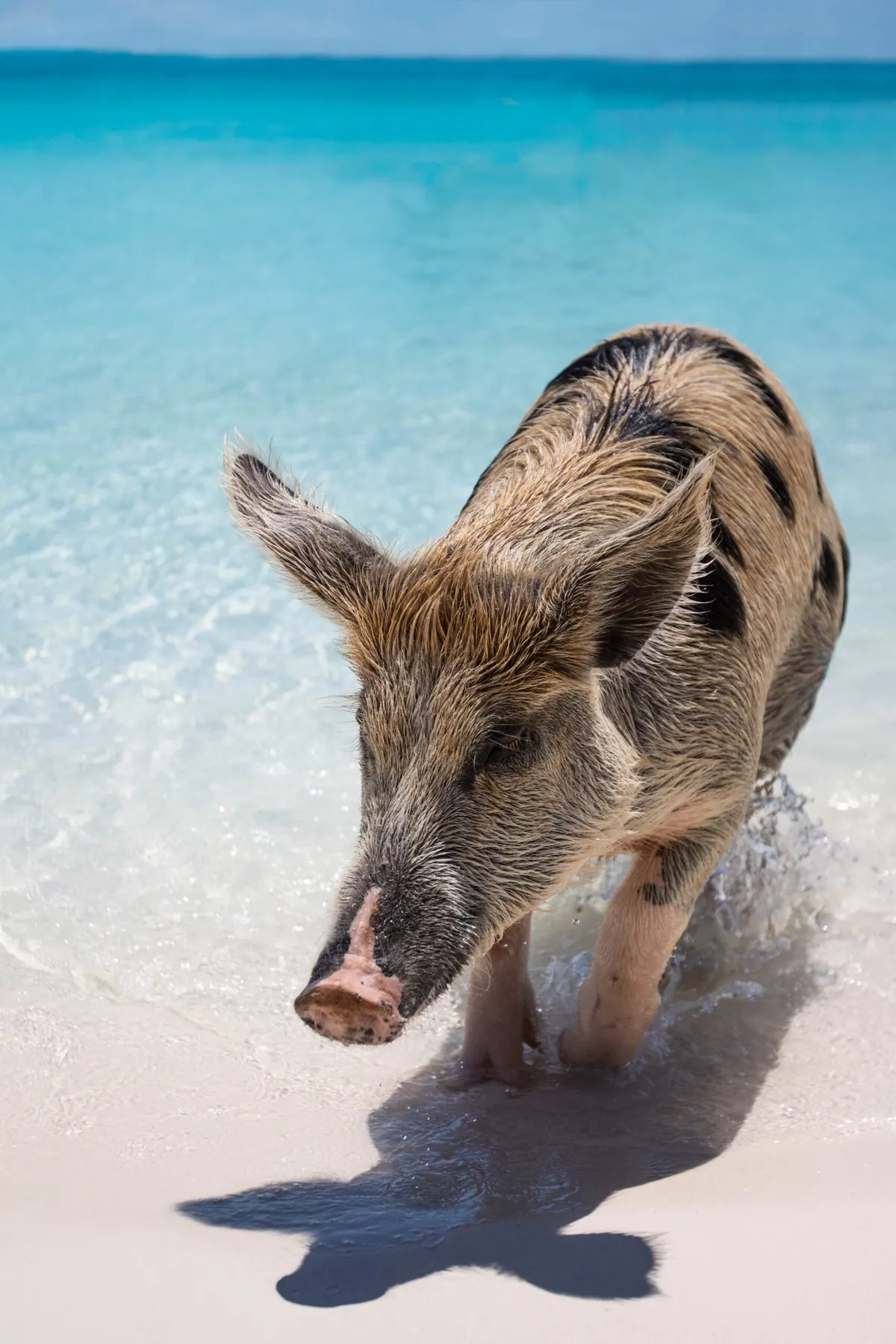
Pigs have lived alongside humans for thousands of years, but most people barely know them beyond the barnyard. They're remarkably smart, deeply social, and far cleaner than their reputation suggests.
Here are verified facts about how pigs think, communicate, and live.
Pigs are highly intelligent animals capable of quick learning, and specially trained pigs have long been used to hunt for truffles thanks to their keen sense of smell.
A pig's sense of smell is powerful enough to detect truffles buried up to several inches underground.
Pigs are social animals that live in groups called sounders, which typically include a handful of related sows and their piglets, sometimes numbering up to 20 or more.
Contrary to their dirty reputation, pigs are naturally clean animals and, when given enough space, will keep separate areas for sleeping and going to the bathroom.
Pigs are omnivores and will eat a wide variety of foods, including fruits, vegetables, grains, and occasionally small animals or insects.
In a 2021 study published in Frontiers in Psychology, researchers found that pigs could learn to control a joystick with their snouts to play a simple video game for food rewards.
The average lifespan of a domestic pig is around 15 to 20 years, with some well-cared-for pet pigs living even longer.
Pigs are vocal animals that communicate through a range of sounds, including grunts, squeals, and oinks, and mother pigs will "sing" to their piglets while nursing.
Pigs have strong long-term memories and are able to recognize other pigs and familiar humans even after long periods of separation.
Wild and feral pigs are highly adaptable and are found on every continent except Antarctica, thriving in climates ranging from deserts to forests and mountains.
Pigs technically do have sweat glands, but they're mostly confined to the snout and don't provide effective cooling, which is why pigs wallow in mud or water to regulate their body temperature.
Pigs are considered one of the most intelligent domesticated animals, often ranked alongside dogs and chimpanzees in cognitive studies.
A pig's snout contains a special bone called the rostral bone, along with cartilage, that helps make it an effective tool for digging and rooting through soil.
Frequently asked questions
Are pigs dirty animals?
No. Pigs are naturally clean and, given enough space, will keep separate areas for sleeping and eliminating waste away from where they rest.
Can pigs make good pets?
Yes, pigs can make affectionate and intelligent pets, but they require significant space, enrichment, and long-term care commitment, since many live 15-20 years.
What is the gestation period for pigs?
The gestation period for pigs is about 114 days, roughly three months, three weeks, and three days.
Do pigs sweat?
Pigs have very limited sweat glands, mostly on the snout, so they can't cool themselves through sweating the way humans do. Instead they wallow in mud or water and pant to release heat.
How much do piglets weigh at birth?
Piglets typically weigh around 2 to 3.5 pounds (about 1 to 1.6 kg) at birth, depending on the breed and litter size.
We write every article to be genuinely fun — and genuinely true. Each fact is checked against reputable sources before it goes live. Spotted something off? Tell us and read our fact-check policy.