FFacts On Tap Editorial Team Fact-checkedUpdated July 9, 20233 min read
Share
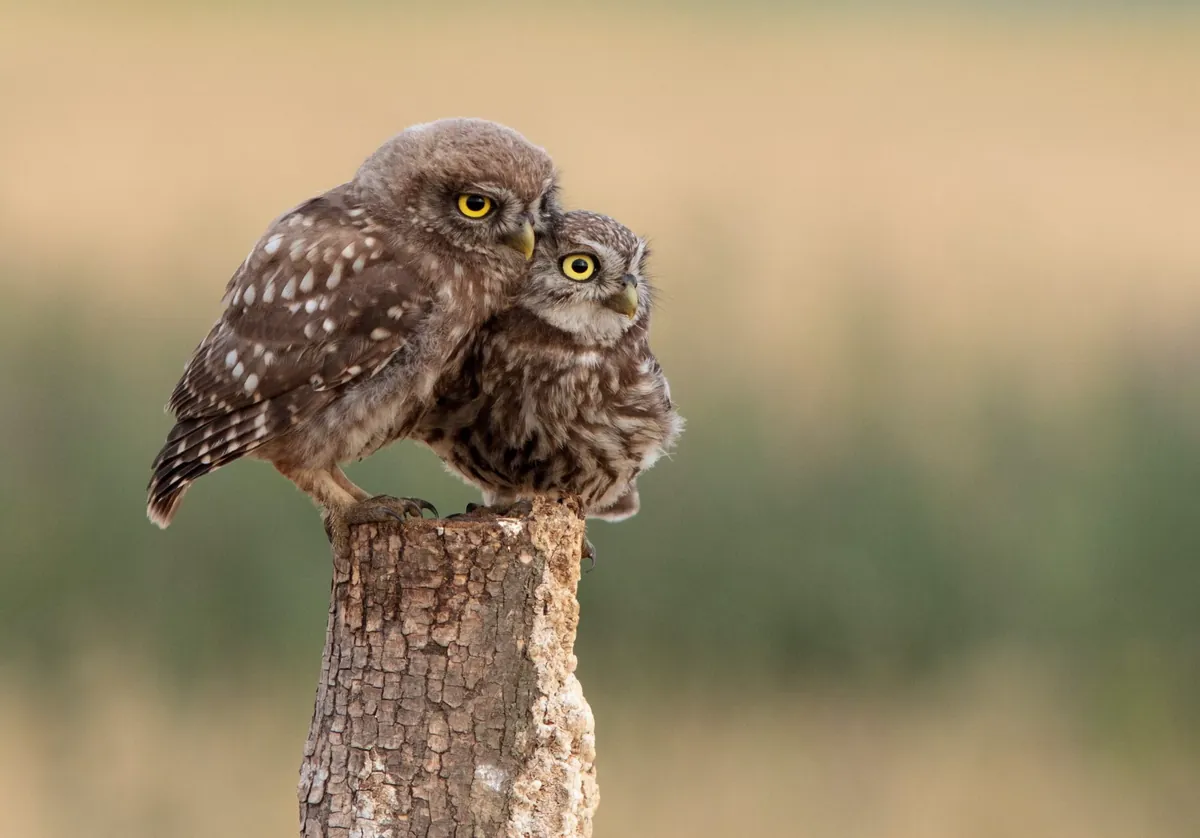
Owls are among the most instantly recognizable birds of prey, known for their forward-facing eyes, eerie calls, and near-silent flight. Found on every continent except Antarctica, these nocturnal hunters have evolved a striking set of adaptations for finding prey in total darkness.
Here are the real facts behind the folklore, each one checked for accuracy.
There are roughly 250 to 260 recognized owl species worldwide, grouped into two families: true owls (Strigidae) and barn owls (Tytonidae).
Owls live on every continent except Antarctica.
Most owl species are nocturnal, meaning they are most active at night, though some, like the snowy owl, also hunt during the day.
Owls have excellent hearing and many species can locate prey by sound alone, even under snow or leaf litter.
Some owl species, such as the barn owl, have asymmetrically positioned ears, which helps them pinpoint the exact location of a sound.
Owls can rotate their heads up to about 270 degrees thanks to specialized neck vertebrae and blood vessels.
Owls have soft, fringed flight feathers that break up turbulence and let them fly almost silently, helping them sneak up on prey.
The elf owl is the smallest owl species in the world, standing only about 5 to 6 inches tall and weighing around 1.5 ounces.
The Eurasian eagle-owl is one of the largest owl species, with a wingspan that can reach about 6 feet, though the heavier Blakiston's fish owl and longer great grey owl rival it for the title of "largest."
Owls are carnivores that mainly eat small mammals, birds, and insects, with larger species sometimes taking prey as big as rabbits or other raptors.
Owls swallow small prey whole and later cough up compact pellets containing the fur, bones, and other indigestible parts.
Owls are largely solitary birds that typically come together only to mate and raise young.
Some owl species, like the snowy owl, are irruptive migrants, moving south in large numbers during years when their normal prey is scarce.
Owls appear throughout world mythology and folklore, from symbols of wisdom in ancient Greece to omens of death or bad luck in some Native American and African traditions.
A group of owls is called a parliament.
Some owl species, including the barn owl, have heart-shaped facial discs that funnel sound toward their ears.
Owls have three eyelids: one for blinking, one for sleeping, and a third, called a nictitating membrane, that keeps the eye moist and protected.
Fossil evidence shows owl-like birds existed at least 55 to 60 million years ago, not long after the extinction of non-avian dinosaurs.
Owls are important predators that help control rodent and pest populations in their ecosystems.
Owls cannot move their eyes within their sockets, so they must turn their whole head to change their field of view.
Many owl species face population declines from habitat loss, pesticide exposure, and vehicle collisions.
Frequently asked questions
What is the lifespan of an owl?
It varies by species and setting. Many wild owls live only a few years due to predation and hazards, while some species can live 20 years or more, and captive owls have reached 30+ years.
Do all owls hoot?
No. While many species hoot, others make screeches, hisses, whistles, or barking sounds. The barn owl, for example, is known for its raspy screech rather than a hoot.
Are owls endangered?
Most owl species are not currently classified as endangered, but a number of species are threatened due to habitat loss, pesticide use, and hunting, and their conservation status varies widely by species and region.
Can you keep an owl as a pet?
In most countries, including the United States, it is illegal to keep a native owl as a pet without special permits, since owls are wild animals with complex care and dietary needs.
Do owls have predators?
Yes. Owls can be preyed on by larger raptors, other owls, and mammals such as raccoons or martens, especially as eggs or young owlets.
Why are owls associated with wisdom?
The association largely traces back to ancient Greece, where the owl was a symbol of the goddess Athena; other cultures have instead linked owls with death or misfortune.
We write every article to be genuinely fun — and genuinely true. Each fact is checked against reputable sources before it goes live. Spotted something off? Tell us and read our fact-check policy.