FFacts On Tap Editorial Team Fact-checkedUpdated June 11, 20233 min read
Share
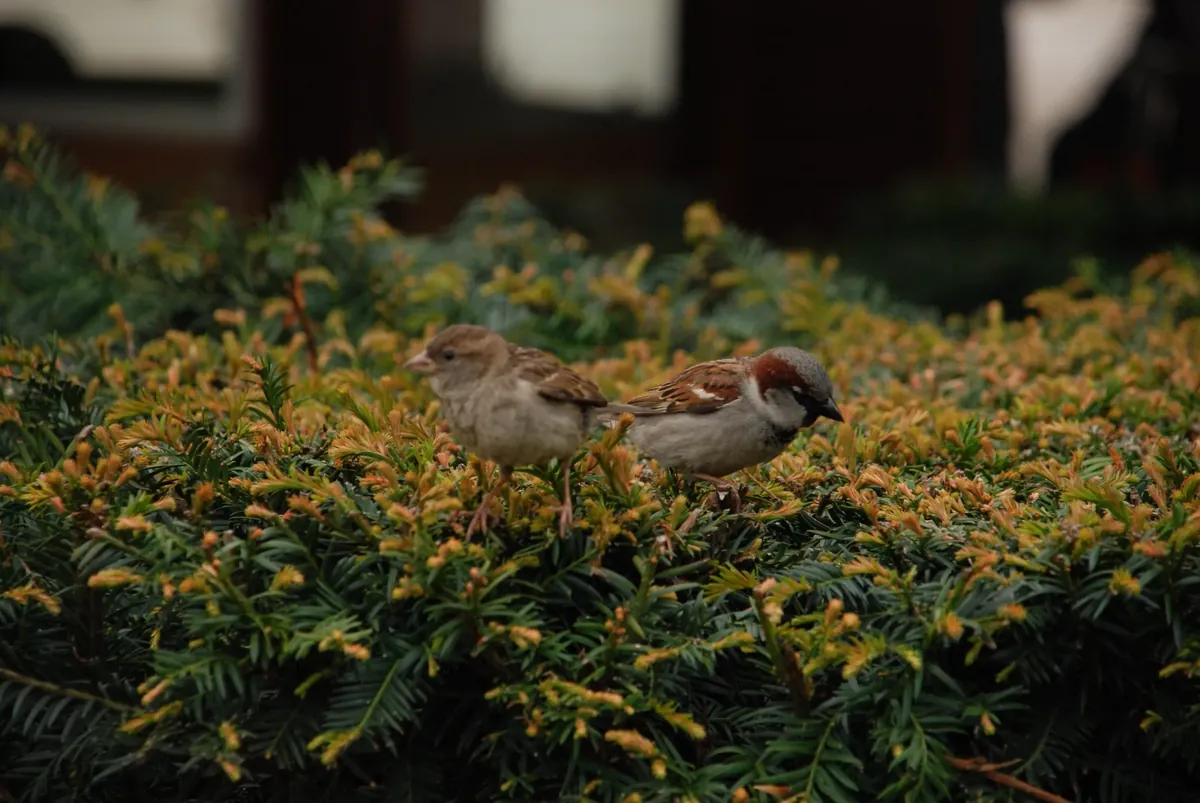
Sparrows are small, energetic birds so common in backyards and city streets that they're easy to overlook. But these unassuming little fliers have surprisingly rich lives, from complex social flocks to a knack for thriving anywhere from farmland to busy downtowns.
Here are verified facts about sparrows that reveal just how interesting these "little brown jobs" really are.
About 40 species of New World sparrows (family Passerellidae) are found in North America.
Most sparrows are small, typically weighing well under an ounce.
Sparrows generally have brown or gray feathers with streaked or mottled markings on their backs and wings, which helps them blend into grasses and shrubs.
Sparrows are social birds that often gather and forage in flocks, especially outside the breeding season.
Sparrows live in a wide range of habitats, including fields, forests, grasslands, and cities.
Sparrows are omnivores, eating mostly seeds and grains, along with insects and other small invertebrates, especially when feeding their young.
Sparrows build nests in trees, shrubs, and building cavities and crevices, including eaves and vents.
Sparrows are known for their distinctive chirping and trilling songs, which vary by species.
Sparrows help ecosystems by eating insects and, in some cases, dispersing plant seeds.
Sparrows are preyed upon by hawks, owls, snakes, and domestic cats.
House sparrows typically live 2 to 5 years in the wild, though the oldest known wild individual survived nearly 20 years.
Many New World sparrow species, such as white-throated and white-crowned sparrows, migrate south for the winter, while house sparrows are largely non-migratory.
House sparrows form monogamous pair bonds that often last for a breeding season or longer, with pairs frequently reuniting in following years.
Sparrows communicate through body posture, feather displays, and a range of chirps and calls.
Sparrows are sometimes considered pests because flocks can damage crops and nest in building structures.
Sparrows have long appeared as symbols of love, loyalty, humility, and freedom in art, literature, and folklore.
Birdwatchers sometimes call hard-to-identify sparrow species "little brown jobs" (LBJs) because many look so similar.
The house sparrow is one of the most widespread wild bird species on Earth, found on every continent except Antarctica.
Sparrows bathe by fluttering their wings and bodies in shallow water or in dust to help remove parasites and keep their feathers in condition.
House sparrows are especially well-adapted to urban environments, nesting in buildings and feeding on human food scraps and spilled grain.
Because sparrows are widespread and sensitive to habitat and pollution changes, ornithologists often track their populations as an indicator of local environmental health.
Frequently asked questions
What do sparrows eat?
Sparrows are omnivores that primarily eat seeds and grains, supplementing their diet with insects and other small invertebrates, particularly when raising chicks.
How do sparrows communicate?
Sparrows communicate through body language, feather displays, and vocalizations such as chirps, trills, and calls that vary between species.
What is the most common sparrow species?
The house sparrow (Passer domesticus) is one of the most widely distributed wild bird species in the world, found across nearly every continent.
Why are sparrows important to the ecosystem?
Sparrows help control insect populations and, depending on the species, can contribute to seed dispersal, making them a useful part of local food webs.
How long do sparrows live?
House sparrows typically live 2 to 5 years in the wild, although the oldest recorded wild individual lived nearly 20 years.
Where do sparrows build their nests?
Sparrows build nests in trees, shrubs, and building cavities and crevices, such as eaves, vents, and gutters, especially in urban and suburban areas.
We write every article to be genuinely fun — and genuinely true. Each fact is checked against reputable sources before it goes live. Spotted something off? Tell us and read our fact-check policy.