FFacts On Tap Editorial Team Fact-checkedUpdated July 22, 20234 min read
Share
Macaws are among the most spectacular birds on Earth, prized for their dazzling colors, booming calls, and surprising smarts. Native to the forests and savannas of Central and South America, these long-lived parrots have captured human fascination for centuries.
From their crushing beaks to their lifelong mates, here are the facts that make macaws so remarkable.
Macaws are large, long-tailed parrots native to Mexico, Central America, and South America.
There are roughly 17 to 19 recognized macaw species (sources vary slightly on classification), including the blue-and-yellow macaw, scarlet macaw, and military macaw.
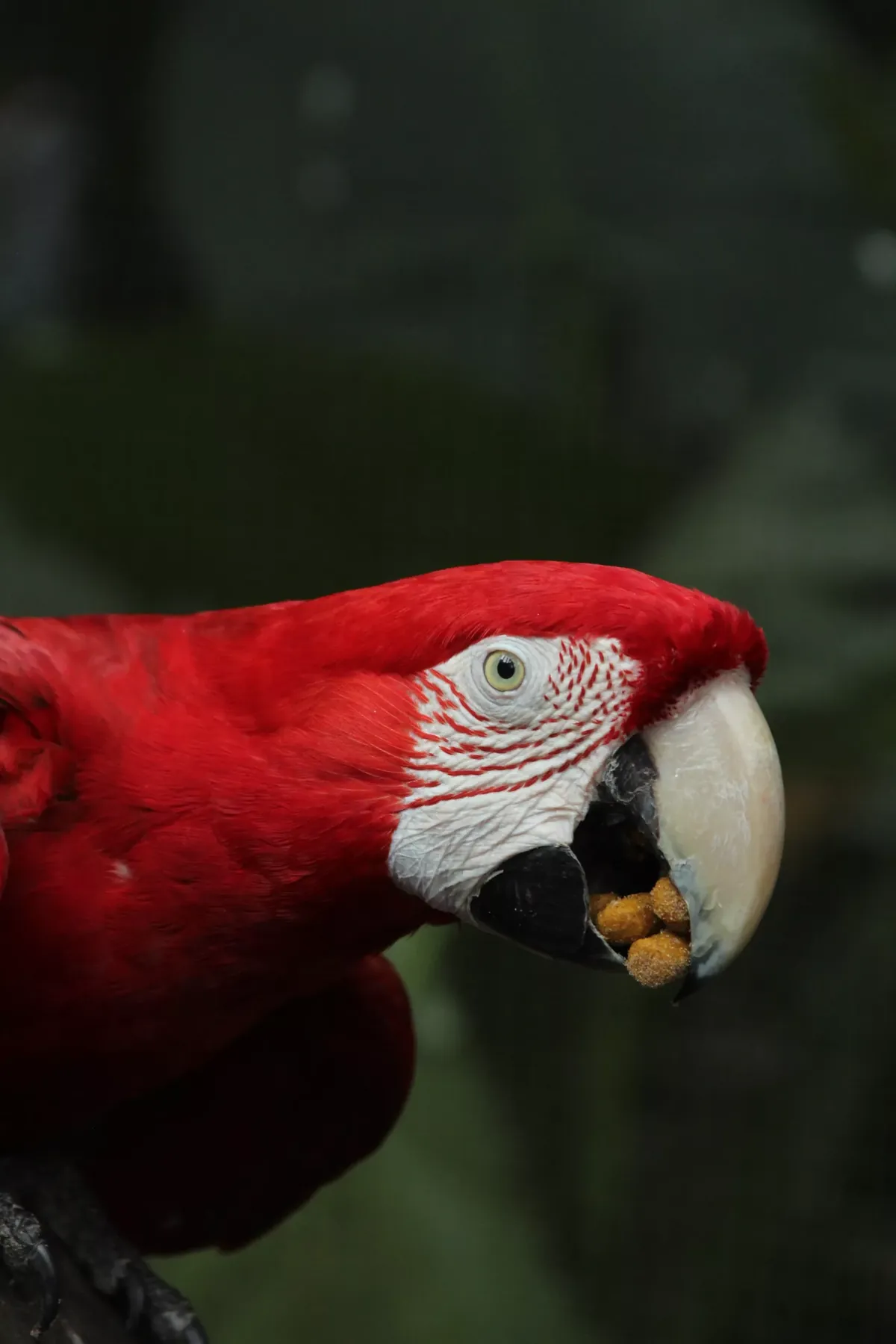
Macaws have extremely strong, hooked beaks powerful enough to crack open hard nuts and seeds, including palm nuts and Brazil nuts.
Lifespan varies widely by species: many macaws live 30 to 50 years in the wild, and some of the larger species, like the hyacinth macaw, can live 60 years or more in captivity with good care.
Macaws are highly intelligent and are capable of solving complex problems, using simple tools, and recognizing patterns.
They are highly social birds that often form strong bonds with flock mates, and pet macaws can bond closely with their human caregivers.
Macaws are excellent mimics and, in captivity, can learn to imitate human speech and household sounds.
They have loud, far-carrying calls that help them communicate across dense rainforest and signal to their flock.
Many macaw species are largely monogamous, often pairing with the same mate for years or for life.
Macaws typically nest in natural tree hollows or cavities rather than building stick nests.
Macaws are primarily herbivorous, eating fruits, nuts, seeds, and palm fruit, occasionally supplementing their diet with insects.
Many macaws eat clay from exposed riverbank deposits called "clay licks," which may help neutralize toxins found in some of the unripe seeds they consume.
Macaws are strong, fast fliers, with some species capable of reaching speeds of around 35 miles per hour.
They are agile in flight and can perform sharp turns and acrobatic maneuvers, especially in dense forest canopy.
Several macaw species are threatened or endangered due to habitat loss and illegal capture for the pet trade; the Spix's macaw is extinct in the wild, and the glaucous macaw is likely extinct.
Wild macaws play an important ecological role by dispersing the seeds of the fruits they eat, helping regenerate forest plant life.
Macaws are popular pets, but they require significant daily attention, enrichment, and space, and can live for decades, making them a long-term commitment.
Pet macaws need a large enclosure and regular time outside the cage to fly and exercise.
Without enough mental stimulation, macaws can become bored, stressed, and destructive, and may develop feather-plucking behavior.
A healthy captive diet includes a variety of fresh fruits, vegetables, and a quality pelleted or seed-based diet, not just seeds alone.
Macaws can become deeply attached to their owners and may show signs of stress or anxiety when left alone for long periods.
Because of their long lifespans and demanding care needs, prospective owners should thoroughly research a macaw species before bringing one home.
Frequently asked questions
How do you take care of a macaw?
Macaws need a large cage or aviary, daily time outside it to fly and exercise, a varied diet of fresh fruits and vegetables alongside formulated pellets, and plenty of mental stimulation through toys and social interaction.
What do macaws eat?
Macaws mainly eat fruits, nuts, seeds, and other plant matter, occasionally supplementing with insects. Many wild macaws also eat clay from riverbanks, which may help neutralize toxins in unripe seeds.
How long do macaws live?
Lifespan varies by species, but many macaws live 30 to 50 years in the wild, and larger species can live 50 to 60 years or more in captivity with proper care.
Are macaws endangered?
Several macaw species are threatened or endangered due to habitat loss and illegal capture for the pet trade. The Spix's macaw is extinct in the wild, and the glaucous macaw is considered likely extinct.
Can macaws talk?
Macaws can't truly speak language, but they are skilled mimics and can learn to imitate human words and sounds, especially in captivity.
Can macaws be kept as pets?
Yes, but they require significant daily care, space to fly, a varied diet, and lifelong commitment given their long lifespans, so prospective owners should research a species' needs carefully first.
We write every article to be genuinely fun — and genuinely true. Each fact is checked against reputable sources before it goes live. Spotted something off? Tell us and read our fact-check policy.