FFacts On Tap Editorial Team Fact-checkedUpdated February 14, 20263 min read
Share
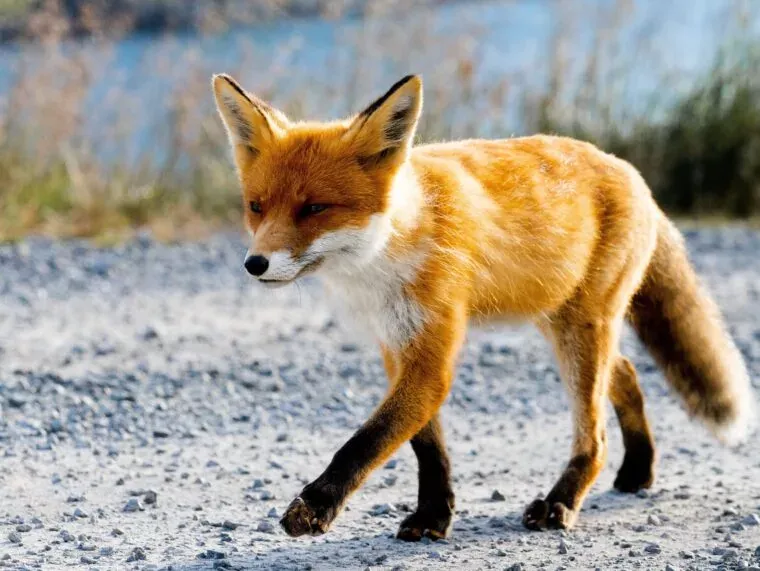
Foxes are famous for their bushy tails, pointed ears, and cunning reputation. These highly adaptable canines have spread across nearly every continent, thriving everywhere from Arctic tundra to city streets.
Here are the real facts behind the fox's legendary cleverness, separating solid science from popular myth.
About 37 animals are commonly called "foxes," but only 12 species belong to the true fox genus, Vulpes.
Foxes belong to the Canidae family, the same family that includes wolves, coyotes, jackals, and domestic dogs.
The smallest fox species is the fennec fox, which weighs only about 1.5 to 3.5 pounds.
The red fox is the largest true fox species; most adults weigh 10-15 pounds, though a few large males have topped 30 pounds.
Foxes are skilled hunters known for pouncing on prey hidden under snow or leaves using Earth's magnetic field to judge distance and direction.
Foxes have excellent hearing and can detect small rodents moving underground or under snow cover.
Foxes are omnivores, eating both meat and plant matter such as fruit and berries.
Most fox species are largely solitary outside of the breeding season, though red foxes may live in small family groups.
Foxes are crepuscular animals, meaning they are most active at dawn and dusk.
Foxes display playful behavior, including jumping, pouncing, and mock-fighting, especially as pups.
Foxes rely on sharp senses of sight, smell, and hearing to hunt and avoid predators.
Foxes use their long, bushy tails for balance, warmth, and signaling to other foxes.
Red foxes can run at speeds of around 30 mph, with some sources reporting brief bursts as fast as 45 mph.
Red foxes have a large vocal repertoire, with researchers documenting dozens of distinct calls, barks, and screams.
Foxes are highly adaptable and live in urban areas, forests, deserts, mountains, and even the Arctic.
Red foxes are typically monogamous during a breeding season, with both parents helping to raise the pups.
A red fox litter typically has 4-6 pups, though litters as large as 13 have been recorded.
In the wild, most red foxes live only 2-4 years due to predation, hunting, and disease, but foxes in captivity can live 10-15 years or more.
Foxes have historically been hunted and farmed for their fur, which has been used in clothing and accessories.
Foxes are sometimes considered pests by farmers because they may prey on poultry.
In folklore from many cultures, foxes are portrayed as clever tricksters, from European fables to Japanese kitsune legends.
Foxes are popular in literature, film, and animation, appearing in works from Aesop's fables to modern cartoons.
Frequently asked questions
What do foxes eat?
Foxes are omnivores that eat small mammals like rodents and rabbits, birds, insects, fruits, and vegetables, adjusting their diet based on what's available.
Are foxes dangerous to humans?
Foxes are generally shy and avoid people. Like any wild animal they can carry diseases such as rabies, so it's best not to approach or feed them, but unprovoked attacks on humans are rare.
What is a group of foxes called?
A group of foxes is called a "skulk" or a "leash," though foxes are mostly solitary and rarely gather in large groups.
Do foxes hibernate?
No, foxes do not hibernate. They stay active year-round, growing a thicker winter coat and changing their hunting habits to cope with cold weather.
How long do foxes live?
Most red foxes live only 2-4 years in the wild because of predation, hunting, and disease, but they can live 10-15 years or more in captivity, where they aren't exposed to those risks.
Are foxes nocturnal?
Foxes are technically crepuscular rather than strictly nocturnal, meaning they are most active during the twilight hours of dawn and dusk, though they can be active at night too.
We write every article to be genuinely fun — and genuinely true. Each fact is checked against reputable sources before it goes live. Spotted something off? Tell us and read our fact-check policy.