FFacts On Tap Editorial Team Fact-checkedUpdated August 18, 20233 min read
Share
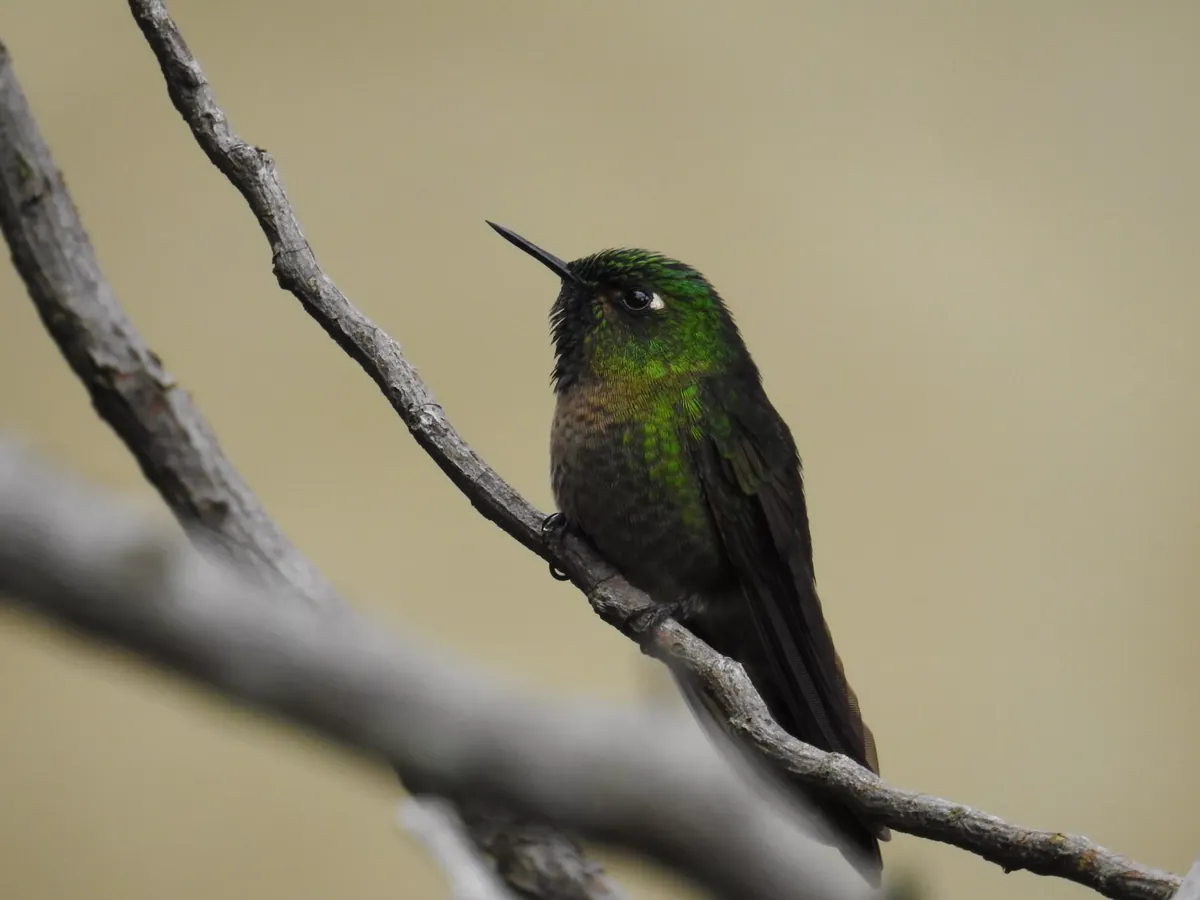
Hummingbirds are tiny powerhouses of the bird world, famous for hovering in place, darting backwards, and burning through energy faster than almost any other animal alive. Found only in the Americas, these jewel-toned birds have evolved a wild set of adaptations just to keep their engines running.
Here are the real facts behind the hype, verified and cleaned up so you can trust every one.
There are roughly 360 known species of hummingbirds, and every one of them lives only in the Americas.
Wild hummingbirds range from Alaska in the north to Tierra del Fuego at the southern tip of South America.
The smallest hummingbird, and the smallest bird on Earth, is the bee hummingbird of Cuba, at about 2.25 inches (5.5 cm) long.
The largest hummingbird is the giant hummingbird of the Andes, which can reach about 8 to 9 inches (21-23 cm) long.
Hummingbirds have one of the fastest metabolisms of any animal, eating anywhere from about half to three times their body weight in nectar each day depending on the species and temperature.
Hummingbirds are key pollinators for many native flowering plants across the Americas, especially tubular red and orange flowers that evolved alongside them.
Hummingbirds are the only birds that can fly backwards, thanks to a unique shoulder joint that lets their wings rotate in a figure-eight pattern.
Hummingbirds are the only birds capable of true sustained hovering, holding a fixed position in the air without help from the wind.
That same flexible wing joint lets hummingbirds fly straight up, straight down, sideways, and even briefly upside down.
Hummingbirds are fiercely territorial and will chase off other hummingbirds, insects, and even much larger birds from a favorite feeder or patch of flowers.
Hummingbirds have excellent color vision and can see ultraviolet light, which helps them spot nectar-rich flowers invisible to the human eye.
A hummingbird's tongue is long and forked, and it laps up nectar by rapidly wicking it in through capillary action rather than sucking like a straw.
At night, hummingbirds can slow their heart rate dramatically and enter a deep, energy-saving sleep state called torpor.
A hummingbird in torpor typically stays that way for several hours overnight, sometimes up to 12 hours or more in cold conditions.
Most hummingbirds live about 3 to 5 years in the wild, though some banded individuals have survived well over a decade.
Hummingbirds normally cruise at 25-30 mph, but some species can hit bursts of up to 60 mph during steep courtship dives.
The name 'hummingbird' comes from the humming sound their extremely fast wingbeats make in flight, not from any call or song.
Hummingbirds have sharp spatial memory and can recall exactly which individual flowers they've already visited and how long each one takes to refill with nectar.
Several species undertake long migrations; the rufous hummingbird travels a round trip of roughly 3,000 miles between Alaska and Mexico each year.
A hummingbird's skeleton is extremely lightweight relative to its body, which helps make its rapid, acrobatic flight possible.
A hummingbird's heart can beat over 1,000 times per minute during flight, and its wings can flap 50 to 80 times per second.
Frequently asked questions
What do hummingbirds eat besides nectar?
Hummingbirds also eat small insects and spiders, which supply the protein that nectar alone can't provide.
How long can a hummingbird stay in torpor?
Torpor usually lasts several hours overnight, and can stretch to around 12 hours or more in especially cold conditions.
How do hummingbirds attract a mate?
Male hummingbirds perform courtship displays, such as steep diving flights or back-and-forth shuttle flights, often paired with buzzing wing and tail sounds, to attract females.
How can you attract hummingbirds to your yard?
Plant nectar-rich tubular flowers and put up hummingbird feeders filled with a simple 4-parts-water-to-1-part-sugar solution, changed regularly.
What is the difference between male and female hummingbirds?
In most species, males are more brightly colored, often with iridescent throat patches, while females tend to be duller for camouflage while nesting.
How do hummingbirds avoid predators?
Hummingbirds rely on sharp eyesight, extremely fast and erratic flight, and quick escape maneuvers to evade predators like hawks, praying mantises, and snakes.
We write every article to be genuinely fun — and genuinely true. Each fact is checked against reputable sources before it goes live. Spotted something off? Tell us and read our fact-check policy.