FFacts On Tap Editorial Team Fact-checkedUpdated March 10, 20263 min read
Share
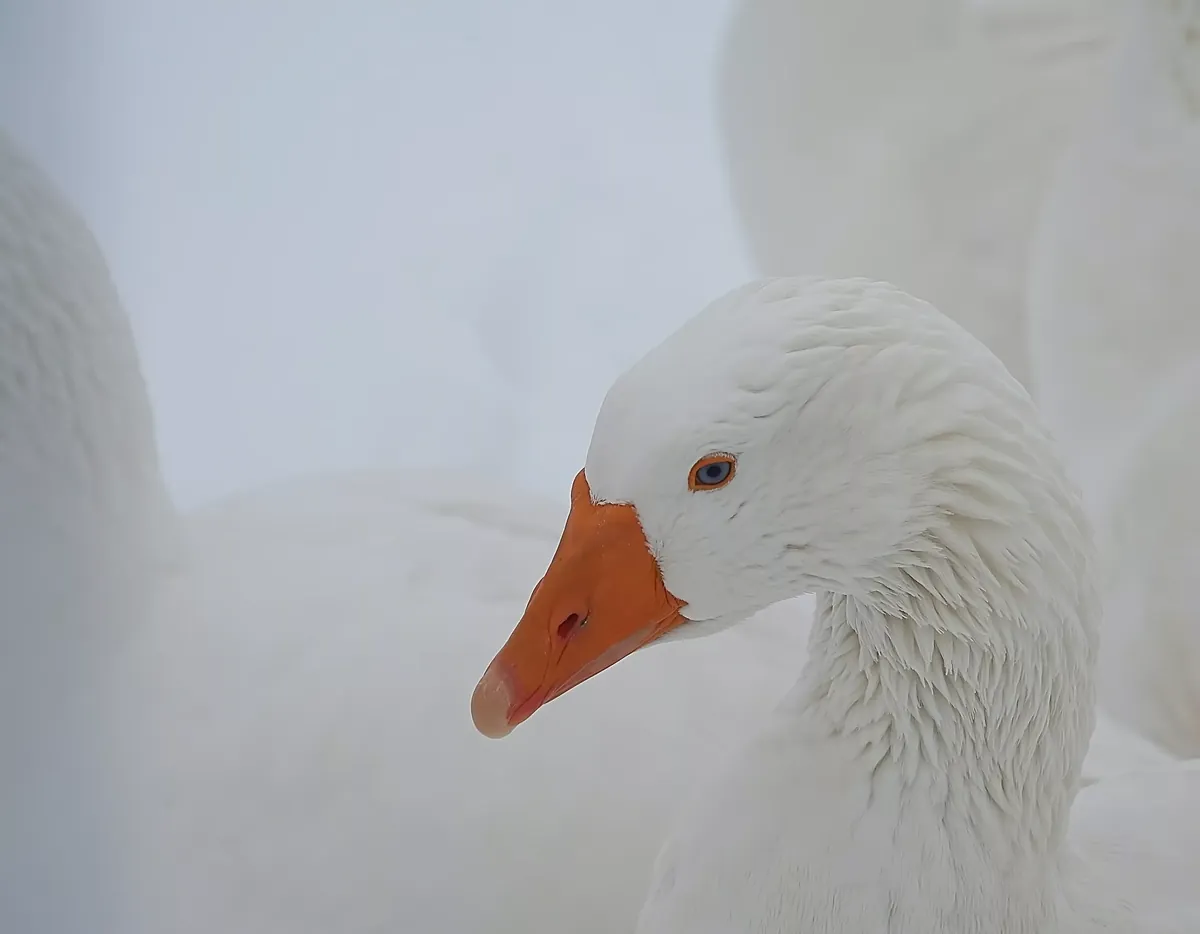
Geese are a common sight on parks, lakes, and golf courses, but there's a lot more to these birds than their loud honking and occasional bad temper. From lifelong pair bonds to a built-in navigation system, geese have some genuinely impressive biology behind them.
Here are 22 fact-checked facts about geese that will help you appreciate these birds even more.
Geese belong to the family Anatidae, which also includes ducks and swans.
There are several species of geese, including the Canada Goose, Snow Goose, and Greylag Goose.
Geese are found on every continent except Antarctica.
Geese are known for their loud, honking calls, which they use to communicate within a flock.
Many goose species, including Canada Geese, form long-term pair bonds and are highly protective of their mate and offspring.
Geese are largely herbivorous, feeding mainly on grasses, grains, and berries, though they'll occasionally eat small insects or aquatic invertebrates.
Canada Geese typically live 10 to 20 years in the wild once they reach adulthood, though some individuals have lived past 30.
Geese are strong swimmers, but they aren't deep divers; when submerging to escape danger, they typically stay underwater for only around 10 seconds.
Geese are highly social and often gather or travel in large flocks, especially during migration.
Geese are considered intelligent birds and have demonstrated problem-solving abilities in studies of waterfowl cognition.
Migratory geese navigate using multiple cues, including the position of the sun and stars, Earth's magnetic field, and familiar landmarks.
By grazing on plants and depositing droppings, geese help disperse seeds and add nutrients to soil and water ecosystems.
A layer of soft down feathers under their outer plumage helps geese stay warm in cold weather.
Canada Geese typically cruise at 35 to 40 mph, but with a strong tailwind during migration they can reach speeds of 50 to 60 mph or more.
Many geese, including Canada Geese, are monogamous and often mate with the same partner for life.
Geese communicate through a range of vocalizations, postures, and body language, both within their flock and to warn off intruders.
Geese have a preen (uropygial) gland near the base of their tail that produces oil they spread on their feathers to waterproof them.
Geese are territorial, especially during nesting season, and will aggressively defend their nest and young from other birds and animals.
In many cultures, geese symbolize loyalty, vigilance, and devotion, partly because of their protective pair bonds.
Geese have been domesticated for thousands of years and are raised around the world for meat, eggs, and feathers.
Goose flocks have a social pecking order, with more dominant pairs typically claiming the best feeding and nesting spots.
Geese fly in a V-shaped formation partly because it reduces air resistance for trailing birds, letting the flock conserve energy over long migrations.
Frequently asked questions
What is the lifespan of a goose?
Canada Geese typically live 10 to 20 years in the wild once they reach adulthood, though some individuals have been documented living past 30 years.
What do geese eat?
Geese are mostly herbivores, feeding on grasses, grains, and berries, though they may occasionally eat small insects or aquatic invertebrates.
Why do geese fly in a V-shaped formation?
Flying in a V lets trailing geese take advantage of the reduced air resistance created by the birds ahead of them, helping the whole flock conserve energy on long migrations.
Are geese monogamous?
Many geese, including Canada Geese, form long-term pair bonds and often mate with the same partner for life, staying protective of each other and their offspring.
What is the purpose of a goose's down feathers?
The soft down layer beneath a goose's outer feathers traps air and provides insulation, helping the bird stay warm in cold weather.
Can geese swim underwater?
Yes, geese can submerge briefly to escape predators, but they aren't true divers — they typically stay underwater for about 10 seconds rather than swimming underwater for extended periods.
We write every article to be genuinely fun — and genuinely true. Each fact is checked against reputable sources before it goes live. Spotted something off? Tell us and read our fact-check policy.