The orangutan — Malay for 'person of the forest' — is Asia's only great ape and the largest tree-dwelling mammal on Earth.
Here are the facts about our red-haired relatives, verified.
The orangutan — Malay for 'person of the forest' — is Asia's only great ape and the largest tree-dwelling mammal on Earth.
Here are the facts about our red-haired relatives, verified.
Orangutans share roughly 97% of their DNA with humans and are among our closest living relatives after chimpanzees, bonobos, and gorillas.
The name orangutan comes from the Malay words 'orang' (person) and 'hutan' (forest) — 'person of the forest'.
They are the largest arboreal (tree-dwelling) mammals, spending about 90% of their time in the canopy.
There are three species — Bornean, Sumatran, and the Tapanuli orangutan, only described by science in 2017 and already the rarest great ape with fewer than 800 individuals.
All three orangutan species are critically endangered, primarily due to rainforest loss, much of it linked to palm-oil plantations.
Orangutans build a fresh sleeping nest of branches and leaves high in the trees nearly every night — often with a 'pillow' and sometimes a rain roof.
They're accomplished tool users: wild orangutans use sticks to extract insects and seeds and leaves as gloves, napkins, and umbrellas.
Orangutan mothers raise young longer than almost any animal — offspring nurse and stay close for 7-9 years, and females may nurse for up to 8 years.
Because of that long childhood, females give birth only about every 7-8 years — the slowest reproduction of any land mammal, making populations painfully slow to recover.
Mature males can grow huge cheek pads called flanges and make 'long calls' that carry a kilometer or more through the forest.
Unlike African great apes, orangutans are largely solitary, though Sumatran orangutans are the more social of the species.
Orangutans are primarily fruit eaters with a special love of durian, and they remember the locations and ripening times of trees across their range.
In captivity and sanctuaries, orangutans have learned to untie knots, use tools in sequences, and even imitate human actions after a single viewing.
An orangutan's arm span can reach about 7-8 feet (2.2-2.4 m) — far exceeding their standing height.
Orangutans are 'gardeners of the forest': by spreading seeds in their droppings, they help regenerate the rainforests they depend on.
We write every article to be genuinely fun — and genuinely true. Each fact is checked against reputable sources before it goes live. Spotted something off? Tell us and read our fact-check policy.
 Animal Facts
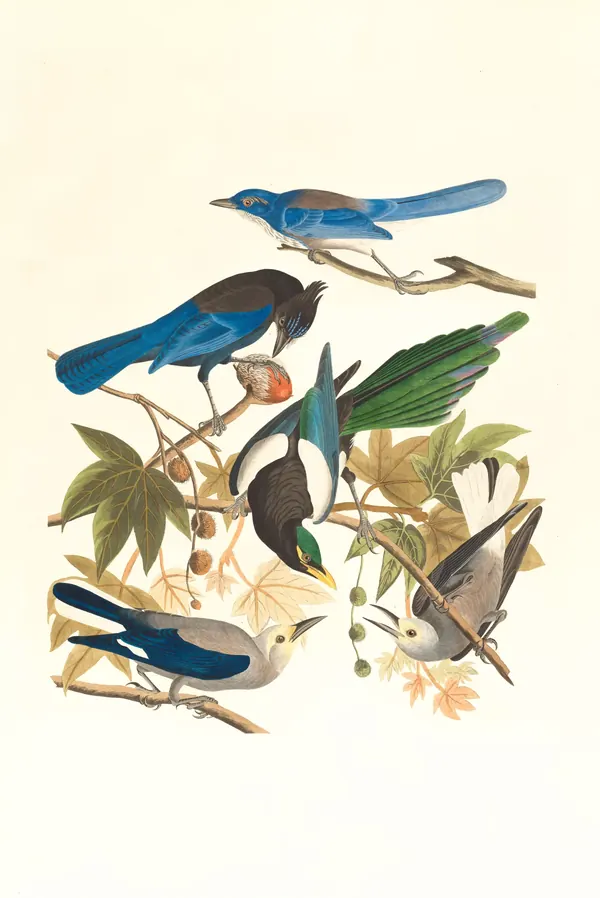
Discover verified facts about birds: the fastest flyer, the tiniest species, the oldest parrot on record, and how these feathered dinosaurs took to the sky.
 Animal Facts
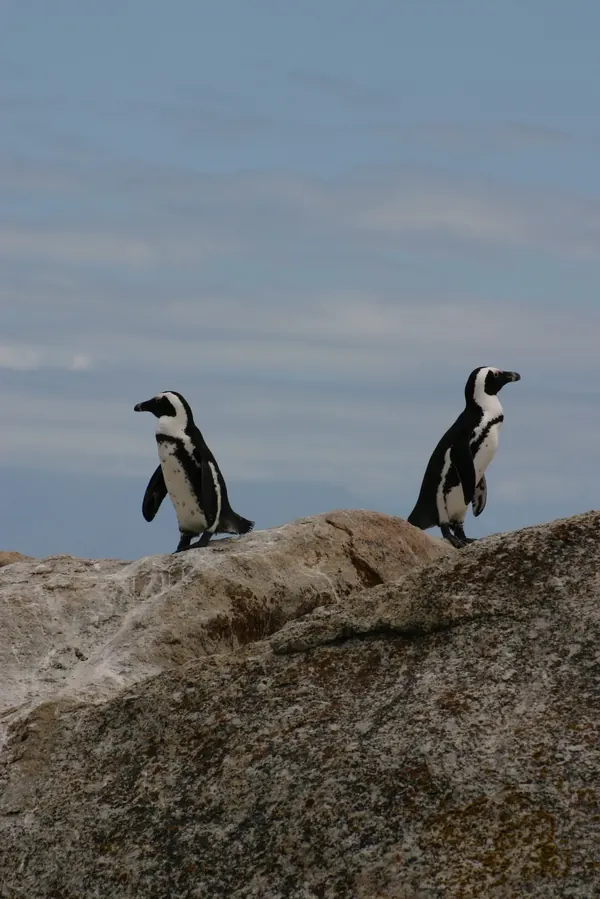
Discover 18 fascinating, fact-checked facts about penguins - from flightless swimmers to salt glands, tuxedo camouflage, and record-breaking dives.
 Animal Facts
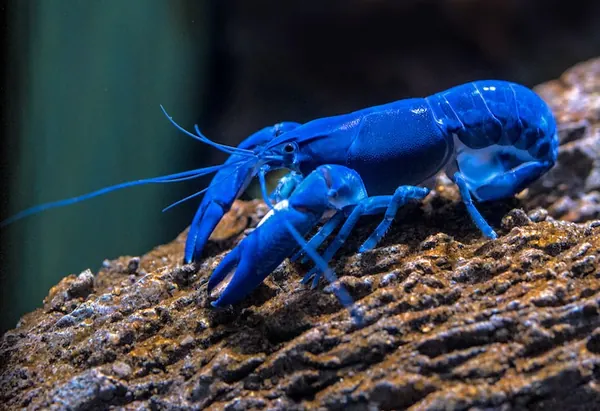
Discover fascinating, verified facts about lobsters — from their claws and molting to record-breaking size and how they really communicate.
 Animal Facts
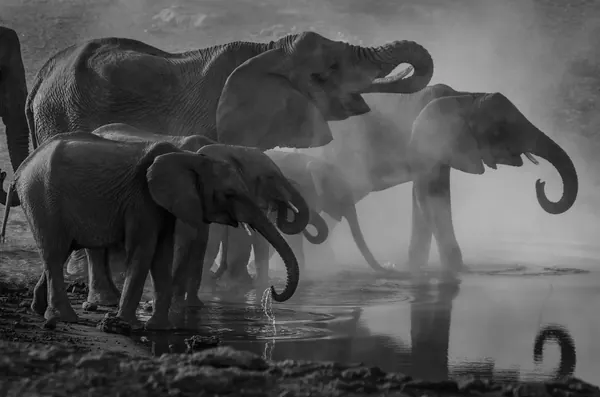
Discover verified facts about elephants: their size, intelligence, memory, communication, and record-breaking 22-month pregnancy.