FFacts On Tap Editorial Team Fact-checkedUpdated August 10, 20234 min read
Share
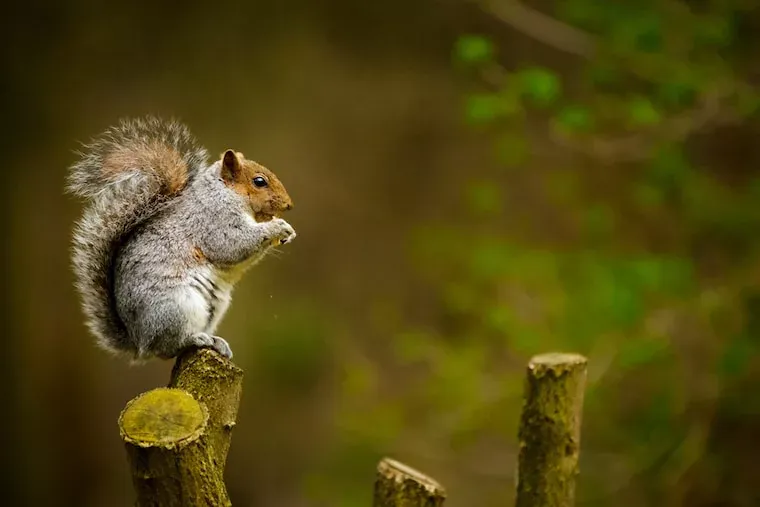
Squirrels are some of the most familiar wild animals on the planet, yet most people know surprisingly little about them beyond their bushy tails and backyard antics. They belong to the rodent family Sciuridae, which also includes chipmunks, marmots, and prairie dogs.
Below are verified facts about squirrel biology, behavior, and the myths worth retiring.
There are more than 260 species of squirrels worldwide (estimates from taxonomists range from about 260 to 285), and they live on every continent except Antarctica and Australia.
Squirrels are excellent climbers and use sharp, curved claws to grip tree bark, which lets them descend head-first down a trunk.
Eastern gray squirrels can leap roughly 9-10 feet horizontally on a flat jump, and up to about 20 feet when springing between elevated tree branches.
Squirrels are omnivores. Their diet includes nuts, seeds, fruits, fungi, and insects, and they will occasionally eat bird eggs or small vertebrates.
Squirrels are famous hoarders. Many species practice "scatter hoarding," burying thousands of individual nuts and seeds across a territory rather than storing them all in one cache.
Squirrels can remember the location of buried food using spatial memory and landmarks, and studies show they also use smell to relocate caches, including ones buried by other squirrels.
Squirrels have excellent eyesight, a wide field of view, and keen hearing that help them spot predators such as hawks, owls, foxes, and snakes.
Squirrels communicate using vocal calls, tail-flicking, and scent marking to warn other squirrels of danger or signal territory.
By burying far more seeds and nuts than they ever retrieve, squirrels act as important seed dispersers and help forests regenerate.
Most tree squirrels are largely solitary outside of breeding season, though females share nests with their young, and in cold weather some species will huddle together in a shared nest for warmth.
A squirrel's nest, built from twigs, leaves, and bark high in a tree, is called a drey (sometimes spelled dray).
Squirrels' front teeth (incisors) grow continuously throughout their lives, so they gnaw on nuts, bark, and other hard materials to keep them worn down.
Many tree squirrels, including gray squirrels, are capable swimmers and use their tails to help balance and steer in the water.
Flying squirrels do not actually fly; they glide using a furry membrane called a patagium that stretches between their wrists and ankles, sometimes covering more than 150 feet in a single glide.
A squirrel's tail serves multiple purposes: balance while climbing and jumping, a rudder while swimming, a parachute-like brake while falling, and a wrap-around blanket for warmth.
Ground squirrels, unlike most tree squirrels, do hibernate. Species such as the Arctic ground squirrel can lower their body temperature below freezing during winter torpor.
Squirrels are very rarely infected with rabies. Public health data show small rodents, including squirrels, are almost never found with the virus and are not considered a meaningful rabies risk to humans.
Squirrels typically live 5-10 years in the wild, though many die within their first year, and captive squirrels can live considerably longer.
Frequently asked questions
How long do squirrels live?
Wild squirrels typically live about 5-10 years, though mortality is high in the first year of life. Squirrels in captivity can live considerably longer.
Do squirrels hibernate in winter?
Most tree squirrels, like the gray and red squirrel, do not hibernate and stay active year-round, relying on cached food. Ground squirrels, such as the Arctic ground squirrel, do hibernate.
Can squirrels be kept as pets?
In most places it is illegal, and always inadvisable, to keep a wild squirrel as a pet. They are wild animals with specialized dietary and behavioral needs that are very difficult to meet in a home.
Do squirrels carry diseases?
Squirrels can occasionally carry parasites like fleas and ticks, but public health surveillance shows they are very rarely infected with rabies and are not considered a significant disease risk to humans.
How do squirrels survive the winter?
Tree squirrels survive winter by caching large amounts of food in the fall, growing thicker fur, and sheltering in insulated tree nests called dreys. Ground squirrels instead hibernate through the cold months.
Do squirrels mate for life?
No. Squirrels do not form permanent pair bonds; both males and females typically mate with multiple partners during the breeding season.
We write every article to be genuinely fun — and genuinely true. Each fact is checked against reputable sources before it goes live. Spotted something off? Tell us and read our fact-check policy.