FFacts On Tap Editorial Team Fact-checkedUpdated January 15, 20264 min read
Share
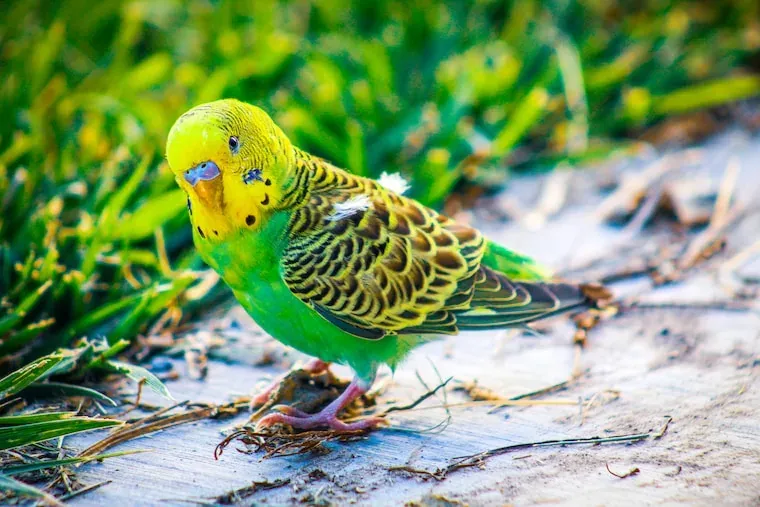
Parakeets — best known in their most common form as budgerigars, or "budgies" — are small, colorful members of the parrot family and one of the most popular pet birds in the world. Playful, social, and surprisingly chatty, they've charmed bird lovers for nearly two centuries.
Here are the real facts behind these feathered favorites, verified and corrected where the popular version gets it wrong.
Parakeets, in their most common pet form, are budgerigars — a species native to the dry grasslands and open woodlands of Australia.
Budgerigars are part of the parrot family (order Psittaciformes).
In the wild, budgerigars are highly social and travel in large nomadic flocks, sometimes numbering in the thousands, following food and water.
Well-cared-for pet budgies typically live 5 to 10 years, though some have lived 15 years or longer with excellent care and good genetics.
Wild budgerigars have a much shorter average lifespan, often just 4 to 6 years, due to predation and environmental hazards.
Parakeets are intelligent and can be trained to do tricks, step up on command, and even learn simple word associations.
They eat a varied diet including seeds, pelleted bird food, leafy greens, vegetables, and occasional fruit.
Parakeets are agile, fast fliers capable of quick, darting flight, though like other birds they cannot truly hover in place the way hummingbirds do.
They are well known for mimicking human speech and other sounds; male budgies in particular can build vocabularies of dozens to over a hundred words.
The natural, wild-type color of a budgerigar is green and yellow; the many other colors seen in pet birds — including blue, white, and violet — arose from mutations first bred in captivity.
Male and female budgies can often be told apart by the color of the cere, the fleshy area above the beak — typically blue in mature males and brown, tan, or pale in mature females.
Budgerigars can form strong pair bonds with a mate, often preening and feeding one another.
They are active during daylight hours and sleep at night, needing roughly 10-12 hours of darkness and quiet for healthy rest.
Daily time outside the cage or a spacious enclosure is important for a parakeet's physical and mental health.
Common health issues in pet parakeets include respiratory infections, mites (such as scaly face mites), and overgrown beaks or nails.
A good parakeet cage should be as spacious as possible with horizontal bars (easier for climbing), multiple perches of varying width, and toys for enrichment.
Many parakeets enjoy bathing and will happily splash in a shallow dish of water or under a light misting.
A female budgerigar can lay eggs without a male present, but unfertilized eggs will never hatch.
Parakeets are sensitive to drafts and sudden temperature swings and do best in a stable, comfortably warm environment.
Like other birds, budgerigars have an efficient, unidirectional respiratory system using air sacs, which allows a continuous flow of oxygen through the lungs even during exhalation.
Their short, strong, curved beak is well suited for cracking open seed hulls.
Budgerigars were first brought to Europe from Australia in the 1840s and quickly became popular pets thanks to their cheerful, easygoing nature.
They're generally considered one of the easier pet birds to care for, making them a popular choice for first-time bird owners, including families with children.
Frequently asked questions
What is the average lifespan of a parakeet?
Well-cared-for pet budgerigars typically live 5 to 10 years, though some reach 15 or more with excellent care and good genetics. Wild budgies usually live only 4 to 6 years.
Can parakeets talk?
Yes. Budgerigars are known for mimicking human speech and other sounds, and male budgies in particular can learn impressively large vocabularies.
What do parakeets eat?
A healthy diet includes seeds or pellets as a base, along with leafy greens, vegetables, and occasional fruit for variety and nutrition.
Do parakeets need exercise?
Yes. Daily time to fly and move around outside a cramped cage supports their physical health and prevents boredom or feather-destructive behavior.
What kind of cage do parakeets need?
As large a cage as possible, ideally with horizontal bars for climbing, several perches of different widths, and toys for mental stimulation.
Do parakeets make good pets?
Yes. They're social, intelligent, and relatively easy to care for, which makes them a popular choice for both new and experienced bird owners.
We write every article to be genuinely fun — and genuinely true. Each fact is checked against reputable sources before it goes live. Spotted something off? Tell us and read our fact-check policy.