FFacts On Tap Editorial Team Fact-checkedUpdated February 9, 20263 min read
Share
Bats are the only mammals that truly fly, and they're a lot stranger and more useful than their spooky reputation suggests. From tiny bumblebee bats to six-foot-wide flying foxes, this group of nearly 1,500 species pollinates plants, devours pests, and navigates pitch darkness with sound alone.
Here are verified facts about bats, how they live, and why they matter to ecosystems around the world.
Bats are the only mammals capable of true, sustained flight. Unlike birds, which have rigid wings, bats have thin skin stretched over long finger bones, so their wings function more like flexible hands.
Bats are nocturnal and many species use echolocation to navigate and hunt in the dark, emitting high-pitched calls and listening for the returning echoes to build a picture of their surroundings.
There are close to 1,500 recognized bat species worldwide, making bats the second-largest group of mammals after rodents.
The bumblebee bat (Kitti's hog-nosed bat) is the smallest bat and among the smallest mammals on Earth, weighing about as much as a large coin.
The giant golden-crowned flying fox is the largest bat by wingspan, reaching roughly 5.5 feet across, though its body still weighs only a few pounds.
Bats play a major role in ecosystems through pollination and pest control. Some species pollinate agave plants, which are used to make tequila.
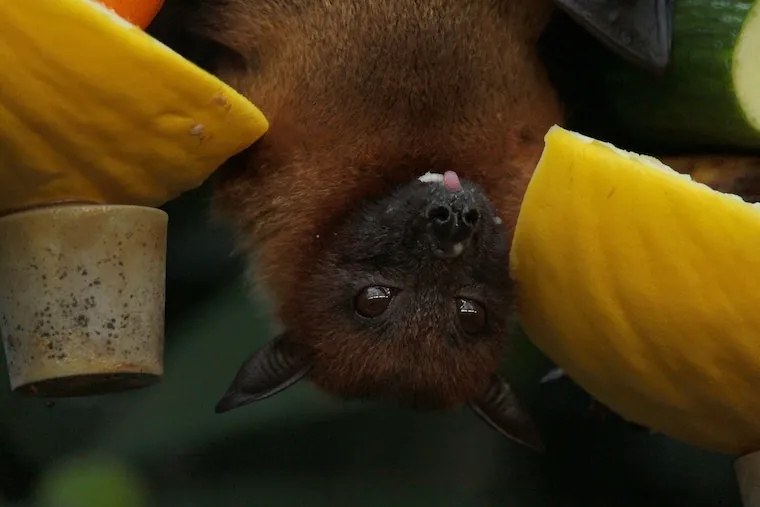
Bats are not blind. Nearly all species can see, and fruit bats in particular have good low-light vision.
Bats are generally not aggressive toward humans and will avoid contact whenever possible, though a bat that acts sick or lets itself be handled should never be touched, since bats can carry rabies.
Some bat species can live 20 to 30 years or more, which is remarkable longevity for such small mammals.
Vampire bats are the only bats that feed on blood. They don't suck blood; instead they make a small bite and lap up blood as it flows.
Bats are highly social and often roost in large colonies. Bracken Cave in Texas hosts an estimated 15 to 20 million Mexican free-tailed bats, one of the largest known concentrations of mammals on Earth.
Bats carry different cultural meanings around the world. In Chinese culture bats are traditionally seen as symbols of good luck and happiness, while in ancient Maya belief a bat god was associated with night, death, and the underworld.
A single little brown bat can eat hundreds to over a thousand insects in one night, making bats valuable natural pest control for farms and gardens.
Most bats sleep hanging upside down by their feet, a posture that lets them drop straight into flight and helps them stay hidden from predators.
Frequently asked questions
Are bats dangerous?
Most bats avoid humans and are not aggressive, but any bat should never be handled, since bats can carry rabies. Contact with a bat, especially a bite or scratch, should always prompt medical advice.
How do bats sleep?
Most bats sleep hanging upside down by their feet, which lets them take flight quickly and stay out of reach of predators.
What do bats eat?
Diet varies by species: most bats eat insects, while others feed on fruit, nectar, small vertebrates, or, in the case of vampire bats, blood. Nectar-feeding bats are important pollinators for plants like agave.
How can I attract bats to my garden?
Planting night-blooming, fragrant flowers and installing a properly designed bat house can encourage bats to roost and forage nearby, which helps with natural insect control.
Do all bats use echolocation?
No. Most microbats use echolocation to navigate and hunt, but many fruit bats (flying foxes) rely mainly on their eyesight and sense of smell instead.
We write every article to be genuinely fun — and genuinely true. Each fact is checked against reputable sources before it goes live. Spotted something off? Tell us and read our fact-check policy.