FFacts On Tap Editorial Team Fact-checkedUpdated July 1, 20233 min read
Share
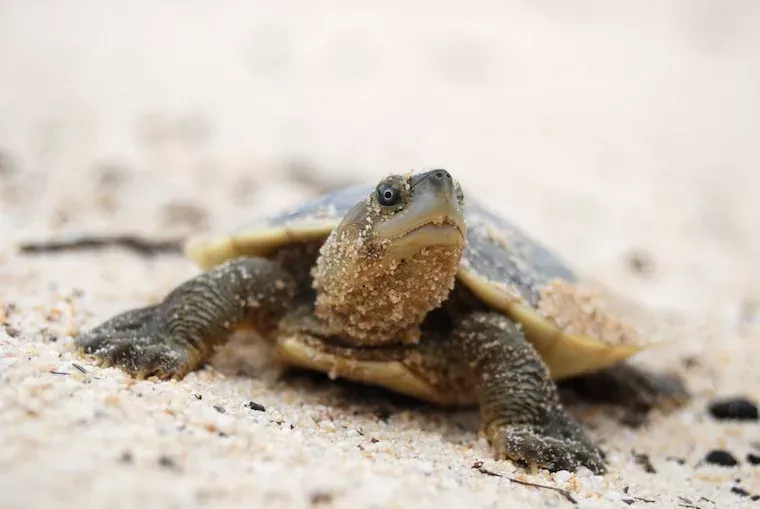
Terrapins are the only turtles in North America built for life in brackish water, the salty-freshwater mix found in coastal marshes and estuaries. With their diamond-patterned shells and striking skin markings, they're easy to tell apart from other turtles once you know what to look for.
Here are the real facts behind these coastal turtles, verified and cleaned up so you can trust every one.
Diamondback terrapins are the only turtles in North America that live exclusively in brackish water, the mix of salt and fresh water found in coastal marshes and estuaries.
Their range stretches along the Atlantic and Gulf coasts from Cape Cod, Massachusetts, down to the Gulf Coast of Texas.
Their name comes from an Algonquian word for turtle, and each individual has a distinctive pattern of rings and grooves on its shell.
Terrapins are mostly carnivorous, feeding on snails, crabs, clams, fish, and other small aquatic animals.
They especially favor salt-marsh periwinkle snails, and by keeping snail numbers in check, terrapins help protect marsh grasses the snails would otherwise strip bare.
Terrapins have webbed feet that make them strong, efficient swimmers, though they still need to surface regularly to breathe.
Females are noticeably larger than males: females can reach about 9 inches in shell length and several pounds, while males rarely exceed about 5.5 inches.
In the wild, diamondback terrapins can live 25 to 40 years.
Terrapins bask in the sun on logs, mudbanks, and marsh grass to help regulate their body temperature.
Females leave the water to dig nests in sandy areas above the tide line, typically laying between 4 and 18 eggs per clutch.
Eggs usually incubate for about 60 to 85 days, and the temperature inside the nest helps determine whether hatchlings become male or female.
After hatching, baby terrapins must cross open ground to reach the water, running a gauntlet of predators such as raccoons, birds, and crabs along the way.
In the early 1900s, terrapins were prized for turtle soup, and demand for the delicacy pushed populations toward collapse before Prohibition curbed the market for the sherry-laced dish.
Today, habitat loss, road mortality, and accidental drowning in crab traps are the biggest threats to terrapins, and many states now protect them by law.
Some states require crab pots to include escape hatches called terrapin excluder devices, which let terrapins climb back out before they drown.
Terrapins are social baskers and are often seen sunning themselves together in groups on logs or mudflats.
Like many aquatic turtles, terrapins can absorb some oxygen through specialized skin and mouth tissue, letting them stay submerged for long stretches, especially while dormant in cold water.
The diamondback terrapin is the official state reptile of Maryland and the mascot of the University of Maryland.
Terrapins are sometimes kept as pets, but they require specialized care, and wild collection has harmed some populations, so captive-bred animals from reputable sources are the better choice.
Frequently asked questions
What is the difference between a terrapin and a turtle?
Terrapin is a general term, but in North America it usually refers to the diamondback terrapin, a turtle specially adapted to live in brackish coastal marshes rather than pure freshwater or the open ocean.
How long do terrapins live?
In the wild, diamondback terrapins typically live 25 to 40 years.
What do terrapins eat?
Terrapins are mostly carnivorous, eating snails, crabs, clams, fish, and other small aquatic prey found in their marsh habitat.
Where are terrapins found?
Terrapins live in coastal marshes and estuaries from Cape Cod, Massachusetts, south along the Atlantic coast and around the Gulf of Mexico to Texas.
Are terrapins endangered?
Diamondback terrapins are not federally listed as endangered, but many local populations have declined due to habitat loss and crab-trap drowning, and several states now protect them by law.
Can terrapins be kept as pets?
Yes, but they need specialized aquatic setups and long-term care, so they're best suited to experienced keepers with captive-bred animals rather than wild-caught ones.
We write every article to be genuinely fun — and genuinely true. Each fact is checked against reputable sources before it goes live. Spotted something off? Tell us and read our fact-check policy.