FFacts On Tap Editorial Team Fact-checkedUpdated April 27, 20243 min read
Share
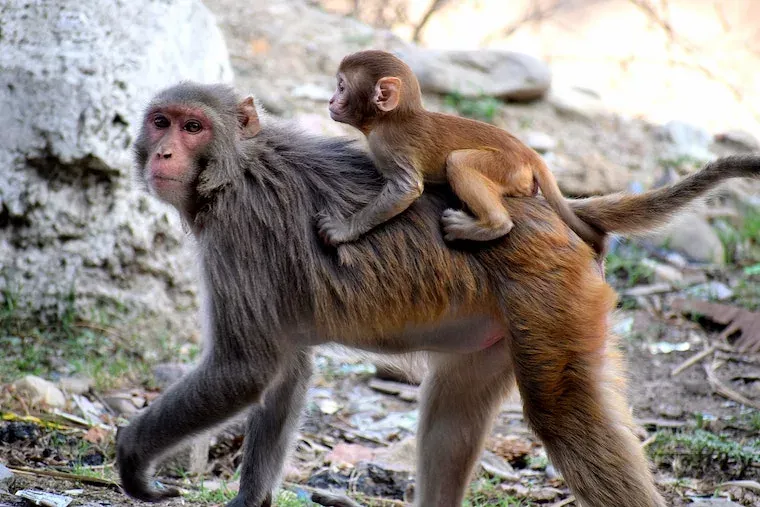
Monkeys are some of the most fascinating creatures on Earth, prized for their intelligence, dexterity, and playful personalities. There are more than 260 recognized species, split between the Old World monkeys of Africa and Asia and the New World monkeys of Central and South America.
From the palm-sized pygmy marmoset to the powerfully built mandrill, monkeys come in a huge range of shapes, sizes, and lifestyles. Here are some fun, fact-checked details about them.
There are more than 260 recognized species of monkeys, generally grouped into Old World monkeys (Africa and Asia) and New World monkeys (Central and South America).
The pygmy marmoset is the world's smallest monkey, with a body length of only about 4.6 to 6 inches (not counting its tail, which is actually longer than its body).
The mandrill is the world's largest monkey; adult males can measure roughly 32 inches long and weigh up to about 119 pounds, far larger than females of the species.
Monkeys live on multiple continents but are most common in tropical and subtropical rainforests of Africa, Asia, and Central and South America.
Monkeys are highly social animals that often live in groups called troops, which can range from just a few individuals to more than 100.
Monkey diets vary widely by species; many are omnivorous, eating fruit, leaves, seeds, and insects, and some occasionally eat small vertebrates, but no monkey species is a true carnivore.
Some species, such as capuchin monkeys, use tools like rocks and sticks to crack open nuts or dig for food.
Because of their genetic and physiological similarities to humans, monkeys have historically been used in scientific and medical research, a practice that remains ethically controversial.
Habitat loss, hunting, and the illegal pet trade have pushed many monkey species toward endangered status.
One of the clearest physical differences between monkeys and apes is the tail: monkeys have tails, while apes (gorillas, chimpanzees, orangutans, and gibbons) do not.
Japanese macaques, nicknamed 'snow monkeys,' are famous for bathing in natural hot springs to stay warm during cold winters.
Howler monkeys are among the loudest land animals, and their calls can be heard for miles through dense rainforest.
Proboscis monkeys, native to the island of Borneo, are known for the males' large, distinctive noses, which may help amplify their calls.
Frequently asked questions
What is the difference between a monkey and an ape?
The clearest physical difference is the tail: monkeys have tails, while apes, such as chimpanzees, gorillas, orangutans, and gibbons, do not.
What is the smallest monkey in the world?
The pygmy marmoset is the smallest monkey, with a body length of roughly 4.6 to 6 inches, plus an even longer tail.
What is the largest monkey in the world?
The mandrill is the largest monkey species, with adult males reaching about 32 inches long and up to around 119 pounds.
Do monkeys make good pets?
No. Monkeys are wild animals with complex social and physical needs, and they can be unpredictable or dangerous, which is why most experts and animal welfare organizations advise against keeping them as pets.
How do monkeys communicate?
Monkeys communicate through vocalizations, facial expressions, and body language, which vary widely between species.
Are all monkeys endangered?
No, not all monkeys are endangered, but many species are threatened by habitat loss, hunting, and the illegal pet trade.
We write every article to be genuinely fun — and genuinely true. Each fact is checked against reputable sources before it goes live. Spotted something off? Tell us and read our fact-check policy.