FFacts On Tap Editorial Team Fact-checkedUpdated October 4, 20254 min read
Share
California sits atop a dense network of active faults, including the famous San Andreas, which is why earthquakes are simply a part of life there. Most quakes are too small to notice, but the state's history includes powerful, damaging events, so being ready matters.
The good news is that solid preparation is straightforward. Here's what actually helps before, during, and after an earthquake strikes.
California's frequent earthquakes come from the Pacific and North American tectonic plates grinding past each other along the San Andreas Fault system and hundreds of smaller faults.
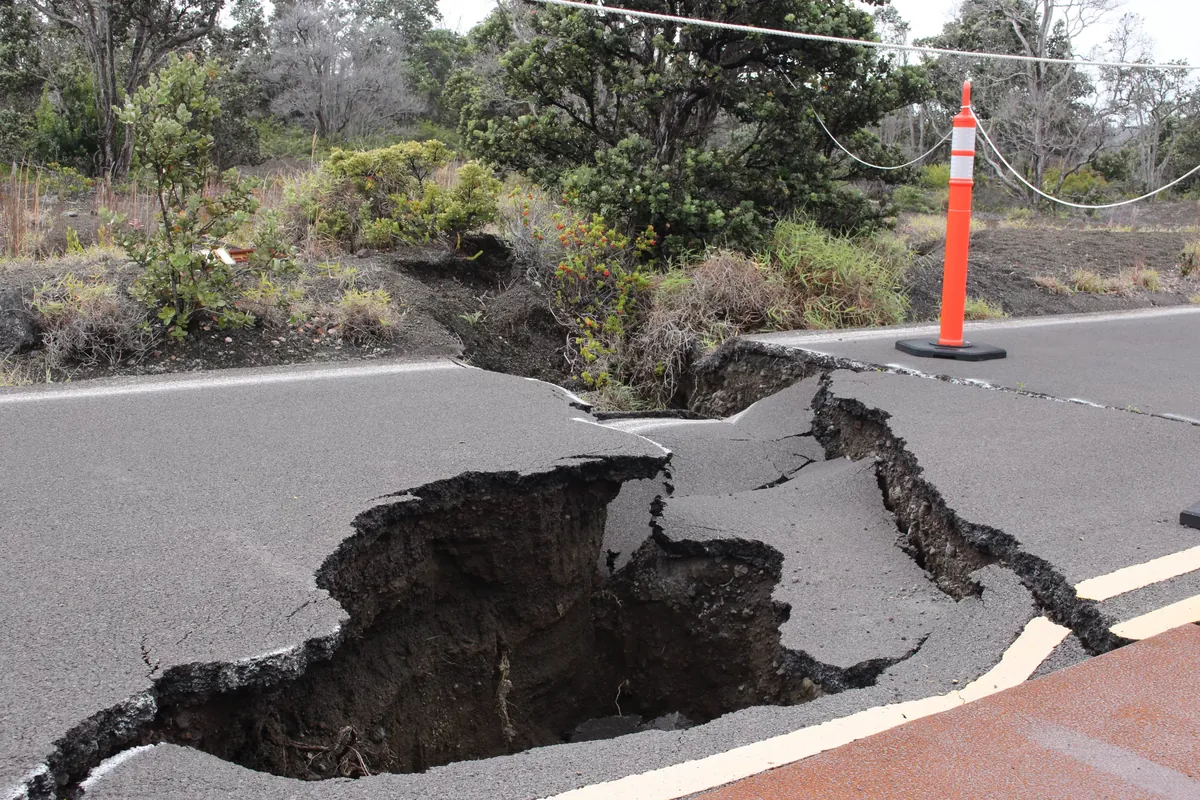
Ground shaking is the primary earthquake hazard, but strong quakes in California can also trigger landslides, liquefaction, fires from broken gas lines, and coastal tsunamis.
Experts recommend an emergency kit with at least three days (ideally two weeks) of water (one gallon per person per day), non-perishable food, a flashlight, a battery or hand-crank radio, and a first aid kit.
Every household should agree on an out-of-area emergency contact, since local phone lines are often jammed after a disaster while long-distance and text messages may still get through.
Identify safe spots in each room ahead of time, away from windows, mirrors, tall furniture, and anything that could fall.
Anchor tall, heavy furniture such as bookcases and cabinets to wall studs, and secure water heaters and large appliances so they can't tip or shift.
Install latches on cabinets that hold breakable or heavy items so they don't fly open during shaking.
The official guidance from the U.S. Geological Survey and Ready.gov during shaking is 'Drop, Cover, and Hold On': drop to your hands and knees, take cover under sturdy furniture, and hold on until the shaking stops.
You should only shut off your home's gas supply if you smell gas, hear a hissing sound, or suspect a leak, not as a routine step during every earthquake, since a professional is usually needed to safely restore service.
If you are in bed when an earthquake starts, stay there and cover your head and neck with a pillow rather than trying to move to another spot.
If you're outdoors during a quake, move to an open area away from buildings, trees, and power lines, since falling debris causes many earthquake injuries.
Older 'triangle of life' advice to crouch beside furniture instead of taking cover under it has been debunked by emergency management experts and is not recommended.
California's building codes have required earthquake-resistant construction standards since the 1970s and are updated regularly based on lessons from major quakes.
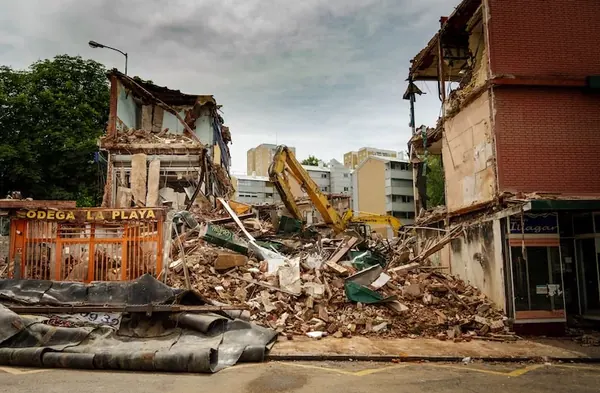
The 1989 Loma Prieta earthquake near San Francisco and the 1994 Northridge earthquake near Los Angeles are two of the most damaging in modern California history and prompted major updates to building and infrastructure codes.
The ShakeAlert earthquake early warning system, used across California, Oregon, and Washington, can give residents seconds of warning before shaking arrives through the MyShake app and wireless emergency alerts.
After a major earthquake, expect aftershocks, which can occur for days, weeks, or even months and are sometimes strong enough to cause additional damage.
Practicing earthquake drills, such as the annual Great California ShakeOut, helps households build muscle memory so the right response becomes automatic under stress.
Check on neighbors, especially elderly or disabled residents, after an earthquake, since community support significantly speeds up recovery in the first hours after a disaster.
Frequently asked questions
When is the best time to prepare for an earthquake in California?
Now. Earthquakes strike without warning, so building an emergency kit, securing furniture, and agreeing on a family communication plan should happen well before any quake occurs.
What should I do during an earthquake in California?
Drop to your hands and knees, take cover under sturdy furniture or against an interior wall, and hold on while covering your head and neck until the shaking stops.
Should I run outside during an earthquake?
No. Most injuries happen when people try to move during shaking. Stay where you are, drop and take cover, and only move outside afterward if it's safe to do so.
Is it true I should always turn off my gas during an earthquake?
No. Only shut off your gas if you smell gas, hear hissing, or see obvious damage to gas lines or appliances, since a professional is usually needed to safely restore service.
What is ShakeAlert?
ShakeAlert is an earthquake early warning system covering California, Oregon, and Washington that can send a few seconds of advance warning to phones and devices through apps like MyShake before shaking arrives at your location.
We write every article to be genuinely fun — and genuinely true. Each fact is checked against reputable sources before it goes live. Spotted something off? Tell us and read our fact-check policy.