15 Fun Facts About Italian Food That Will Make You Hungry
FFacts On Tap Editorial Team Fact-checkedUpdated January 9, 20263 min read
Share
Italian cuisine is loved worldwide for its simplicity, fresh ingredients, and bold flavors. From classic pizzas and pastas to lesser-known dishes like arancini and zeppole, Italian food is a feast for the senses.
Here are 15 fun, fact-checked facts about Italian food you may not have known before.
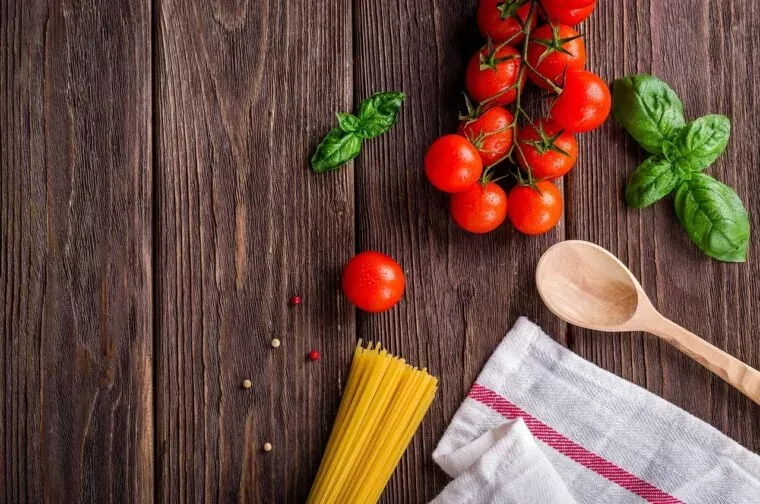
Pizza Margherita is said to have been created in 1889 in honor of Queen Margherita of Savoy, with its red tomatoes, green basil, and white mozzarella meant to echo the colors of the Italian flag.
Italy has more than 350 recognized pasta shapes, each traditionally paired with particular sauces based on its texture and surface.
Parmigiano-Reggiano cheese can legally be made only in the Italian provinces of Parma, Reggio Emilia, Modena, and parts of Bologna and Mantua, and it must be aged at least 12 months under EU protected-origin rules.
Gelato is typically lower in fat than American-style ice cream because it's made with more milk and less cream, and it's churned slower, giving it less air and a denser texture.
Olive oil, bread, wine, and pasta are staple ingredients across Italian regional cooking, though exact traditions vary widely from north to south.
The espresso machine was invented in Italy in the early 20th century; Luigi Bezzera patented an early design in 1901, building on Angelo Moriondo's 1884 patent for steam-driven coffee brewing.
Tiramisu literally means "pick me up" in Italian, a nod to the jolt of espresso in its coffee-soaked ladyfingers.
Pasta is commonly eaten as a first course at both lunch and dinner in Italy, usually followed by a second course of meat, fish, or vegetables.
Prosciutto is a dry-cured ham that's thinly sliced and eaten raw, most famously produced as Prosciutto di Parma and Prosciutto di San Daniele.
Italian wine is regulated by an appellation system (DOC and DOCG), with regions like Tuscany and Piedmont producing famous wines such as Chianti, Barolo, and Prosecco.
Many classic Italian desserts, including cannoli and zeppole, are fried rather than baked, giving them a crisp shell around a soft, sweet filling.
Traditional carbonara is made with eggs, guanciale (cured pork jowl), Pecorino Romano cheese, and black pepper — no cream and, traditionally, no bacon.
Italian cuisine varies dramatically by region: Sicilian cooking leans heavily on seafood and Arab-influenced flavors, while Tuscan cooking favors simple preparations built around bread, beans, and olive oil.
Bruschetta started as a simple way to use up day-old bread, toasted and rubbed with garlic, then topped with olive oil and often tomatoes.
In 2017, UNESCO added the art of the Neapolitan pizzaiuolo (pizza maker) to its Intangible Cultural Heritage list, recognizing the traditional hand-tossed pizza-making craft of Naples.
Frequently asked questions
What is the most popular Italian dish?
Pizza is likely the most popular Italian dish worldwide, though pasta dishes like spaghetti Bolognese and lasagna are also enormously popular.
What is the difference between gelato and ice cream?
Gelato uses more milk and less cream than traditional ice cream and is churned at a slower speed with less air incorporated, giving it a denser texture and typically lower fat content.
Does real carbonara have cream in it?
No. Traditional Roman carbonara gets its creaminess from eggs and cheese emulsified with hot pasta, not from cream.
Where can real Parmesan cheese be made?
Authentic Parmigiano-Reggiano can only be produced in the Italian provinces of Parma, Reggio Emilia, Modena, and parts of Bologna and Mantua, under a protected designation of origin.
What is the best Italian wine?
There's no single 'best' — Italy's many wine regions each produce distinct styles, with Chianti, Barolo, and Prosecco among the most internationally famous.
We write every article to be genuinely fun — and genuinely true. Each fact is checked against reputable sources before it goes live. Spotted something off? Tell us and read our fact-check policy.