FFacts On Tap Editorial Team Fact-checkedUpdated March 2, 20263 min read
Share
Bears are among the most recognizable and beloved animals on the planet, admired for their strength, intelligence, and surprising range of behaviors. From the icy sea ice of the Arctic to the bamboo forests of China, bears have adapted to a huge variety of habitats.
Here are some interesting, fact-checked facts about bears you may not have known.
There are eight living species of bear: the American black bear, brown bear, polar bear, Asiatic black bear, sloth bear, sun bear, spectacled (Andean) bear, and giant panda.
Bears are mostly omnivores, eating both meat and plants, though their diet varies a lot by species: polar bears eat mainly seals and other meat, while giant pandas eat almost exclusively bamboo.
Bears have an outstanding sense of smell, thought to be several times more sensitive than a dog's, which they rely on to find food and detect danger from long distances.
Bears are generally solitary animals, but mothers and cubs share a strong bond and typically stay together for one and a half to two years before the cubs go off on their own.
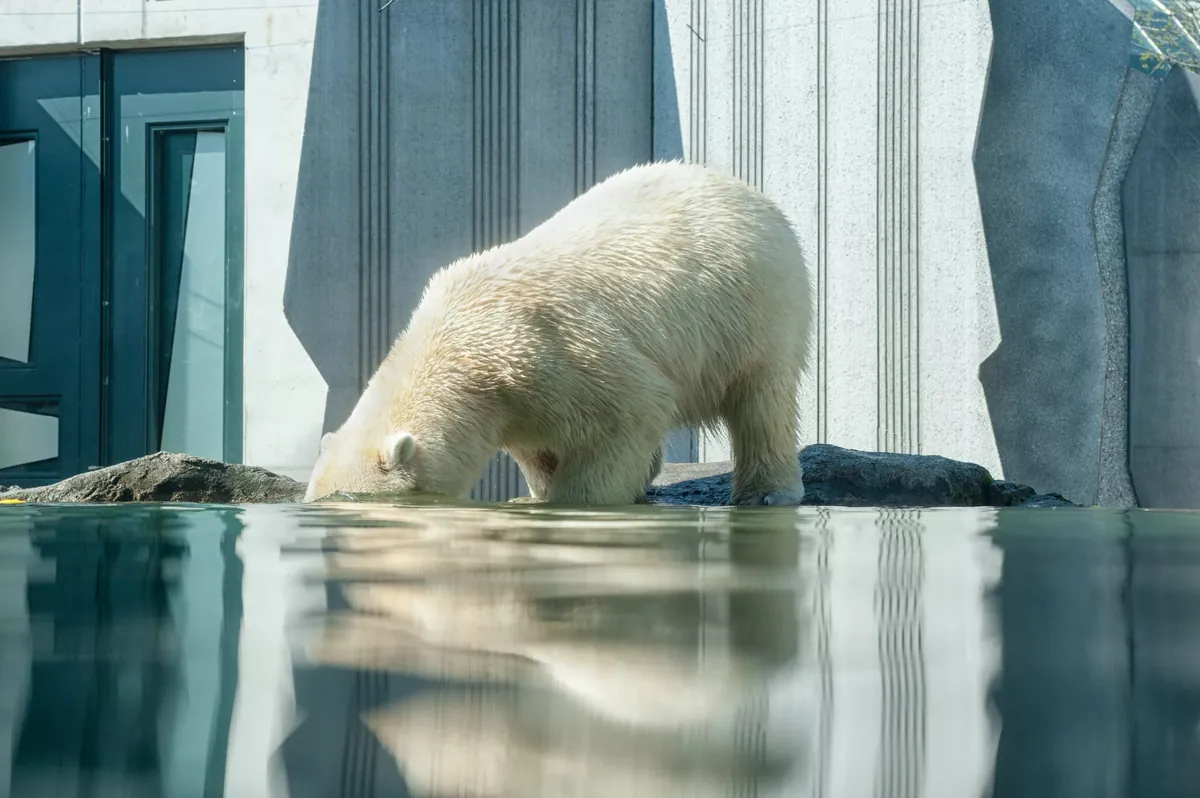
Many bears are strong swimmers. Polar bears in particular can swim for many hours and cover long distances across open Arctic water.
Despite their size and strength, bears usually avoid humans and typically only act aggressively when startled, threatened, or protecting their cubs.
Not all bears hibernate the same way: American black bears, brown bears, and pregnant polar bears in colder regions enter long winter dens and can go months without eating or drinking, while sun bears and sloth bears, which live in warm tropical climates, do not hibernate at all.
The polar bear is the largest bear species. Adult males typically weigh 600 to 1,200 pounds, with the largest individuals reaching up to about 1,700 pounds.
Polar bears are classified as marine mammals because they depend on sea ice and spend much of their lives hunting on it, even though they are also capable of long-distance swims.
The sun bear is the smallest bear species, weighing about 60 to 145 pounds. It lives in the tropical forests of Southeast Asia and is named for the pale, crescent-shaped patch on its chest.
The giant panda is native to central China and is easily recognized by its black-and-white coloring. Despite its popularity, the giant panda's conservation status was downgraded from 'endangered' to 'vulnerable' in 2016, though it remains at risk from habitat loss.
Bears have an excellent memory and can recall the exact locations of food sources, such as fruiting trees, from year to year.
A bear's roar isn't the only sound it makes. Bears also communicate through huffing, jaw-popping, grunting, and body language.
Grizzly bears, a subspecies of brown bear, can run at speeds up to 35 miles per hour despite their large size, faster than any human sprinter.
Frequently asked questions
Are bears dangerous?
Bears can be dangerous, but they generally avoid humans and only become aggressive when they feel threatened, are surprised at close range, or are protecting their cubs. Giving bears distance and never approaching them in the wild greatly reduces risk.
How can you tell different bear species apart?
Physical traits help distinguish them: polar bears have white fur and a long neck and snout, American black bears usually have a straighter facial profile, and giant pandas have distinctive black-and-white markings. Size and habitat are also strong clues.
Do all bears hibernate?
No. American black bears, brown bears, and polar bears in cold regions enter dens for extended winter dormancy, but sun bears and sloth bears live in warm tropical climates and remain active all year.
What is the largest bear species?
The polar bear is generally considered the largest bear species by weight, with large males reaching up to about 1,700 pounds, though the Kodiak brown bear rivals it in size in some populations.
What can people do to help protect bears?
Supporting habitat conservation organizations, avoiding products made from bear parts, securing food and trash in bear habitat, and practicing responsible outdoor recreation all help reduce threats to wild bear populations.
We write every article to be genuinely fun — and genuinely true. Each fact is checked against reputable sources before it goes live. Spotted something off? Tell us and read our fact-check policy.