FFacts On Tap Editorial Team Fact-checkedUpdated June 22, 20233 min read
Share
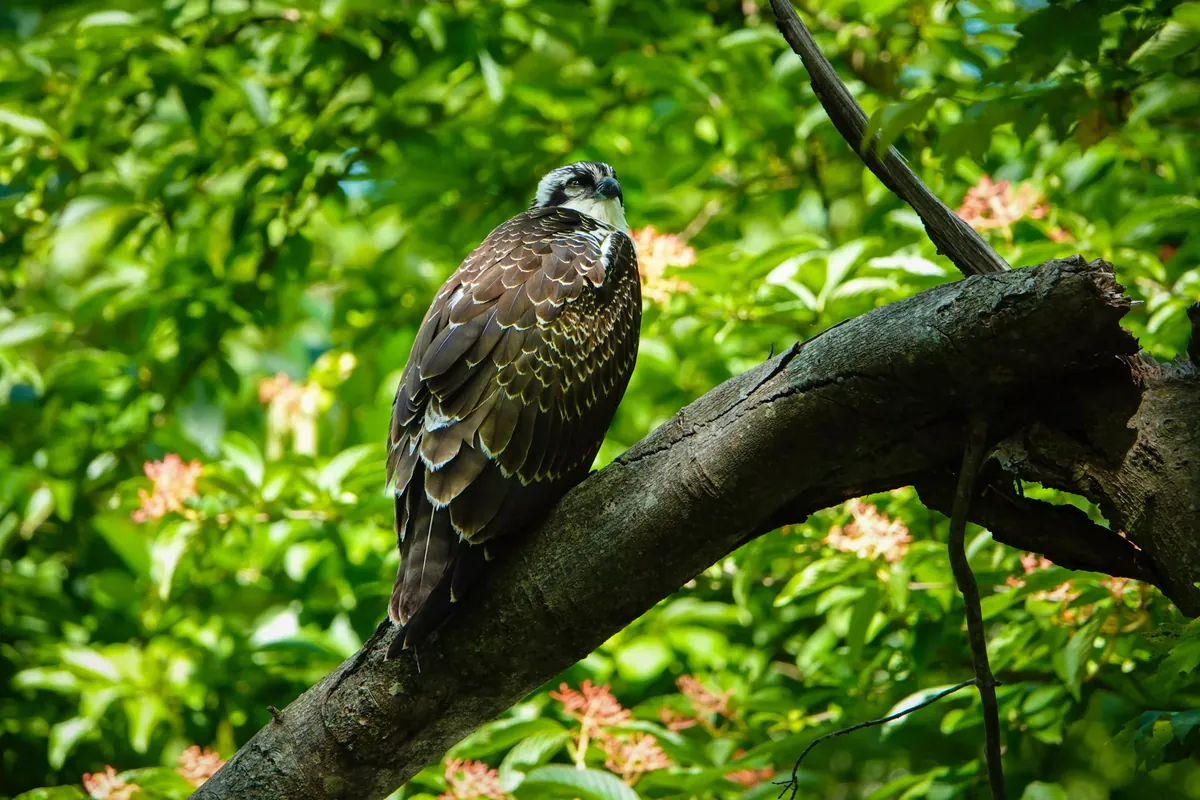
Hawks are sharp-eyed birds of prey belonging to the family Accipitridae, found on every continent except Antarctica. Known for their hooked beaks, powerful talons, and daytime hunting style, they play a vital role in controlling rodent populations and keeping ecosystems in balance.
From the common red-tailed hawk to the tiny sharp-shinned hawk, these raptors show off an impressive range of size, speed, and hunting strategy. Here are some fascinating, fact-checked details about hawks.
Hawks have sharp, curved talons that help them grip and kill prey.
They have exceptionally keen eyesight, estimated to be several times sharper than human vision, allowing them to spot prey from far away.
Hawks are diurnal, meaning they are active and hunt during daylight hours.
They have a hooked beak adapted for tearing flesh rather than for capturing prey.
Hawks are carnivorous, feeding mainly on small mammals like rodents and rabbits, as well as birds, reptiles, and insects.
Wingspans vary widely by species, from around 3 feet in smaller hawks to more than 4.5 feet in larger species like the ferruginous hawk.
Hawks are strong fliers; some species, like the red-tailed hawk, can reach speeds over 100 mph during a hunting dive.
Many hawk species form long-term pair bonds and often mate with the same partner across multiple breeding seasons.
Hawks typically build large stick nests high in trees, on cliff ledges, or occasionally on tall structures.
Most hawks lay between 1 and 5 eggs per breeding season, depending on the species.
Both parents typically help incubate eggs and feed the young until they fledge.
Hawks are territorial, especially during breeding season, and will defend their nesting area from intruders.
Most hawks hunt alone, though Harris's hawks are a notable exception known for hunting cooperatively in family groups.
The broader hawk family, Accipitridae, includes more than 250 species worldwide, encompassing hawks, eagles, kites, and harriers.
The red-tailed hawk is one of the most common and widespread hawk species in North America.
Many hawk species migrate seasonally, some traveling thousands of miles between breeding and wintering grounds.
Hawks can live 20 years or more in the wild, with some banded red-tailed hawks recorded living past 25 years.
As apex predators, adult hawks have few natural predators, though eggs and nestlings can fall prey to owls and other animals.
By preying on rodents, hawks provide natural pest control that benefits farms and ecosystems.
Hawks hold spiritual and symbolic significance in many cultures, including several Native American traditions.
The Cooper's hawk is known for its agility, able to maneuver through dense forest while chasing prey.
The sharp-shinned hawk is one of the smallest hawk species in North America.
In the United States, hawks are protected under the Migratory Bird Treaty Act, making it illegal to harm, capture, or possess them without a permit.
Frequently asked questions
What is the difference between a hawk and a falcon?
Hawks and falcons are both birds of prey but belong to different families. Falcons generally have longer, pointed wings built for speed, while hawks have broader, rounded wings suited to soaring and maneuvering; the peregrine falcon is the fastest bird in the world.
Are hawks dangerous to humans?
Hawks are not generally dangerous to humans and avoid people. Rarely, a hawk may swoop at someone who gets too close to its nest, but serious attacks are uncommon.
Can hawks see in the dark?
Hawks have outstanding daytime vision but are not well adapted for hunting in complete darkness, since they are diurnal birds active mainly during the day.
Where do hawks live?
Hawks are found on every continent except Antarctica, including North America, Europe, Asia, and Africa, and they favor open habitats like grasslands, deserts, and woodland edges.
How do hawks communicate?
Hawks communicate with vocalizations such as screeches and whistling calls, along with body language like wing displays, especially during territorial and mating behavior.
Is it legal to attract or keep hawks?
You can make your yard attractive to hawks with tall perches and by supporting natural prey populations, but in the U.S. hawks are protected under the Migratory Bird Treaty Act, so it is illegal to capture, harm, or keep one without a special permit.
We write every article to be genuinely fun — and genuinely true. Each fact is checked against reputable sources before it goes live. Spotted something off? Tell us and read our fact-check policy.