FFacts On Tap Editorial Team Fact-checkedUpdated September 4, 20234 min read
Share
Woodpeckers are some of the most recognizable birds on the planet, known for their rapid-fire drumming and their remarkable ability to hammer into wood without giving themselves a headache. Found on every continent except Australia and Antarctica, these birds have evolved a surprising set of adaptations for a life spent banging their heads against trees.
Here are some verified facts about woodpeckers that go beyond the basics.
There are more than 200 species of woodpecker in the world, grouped in the family Picidae.
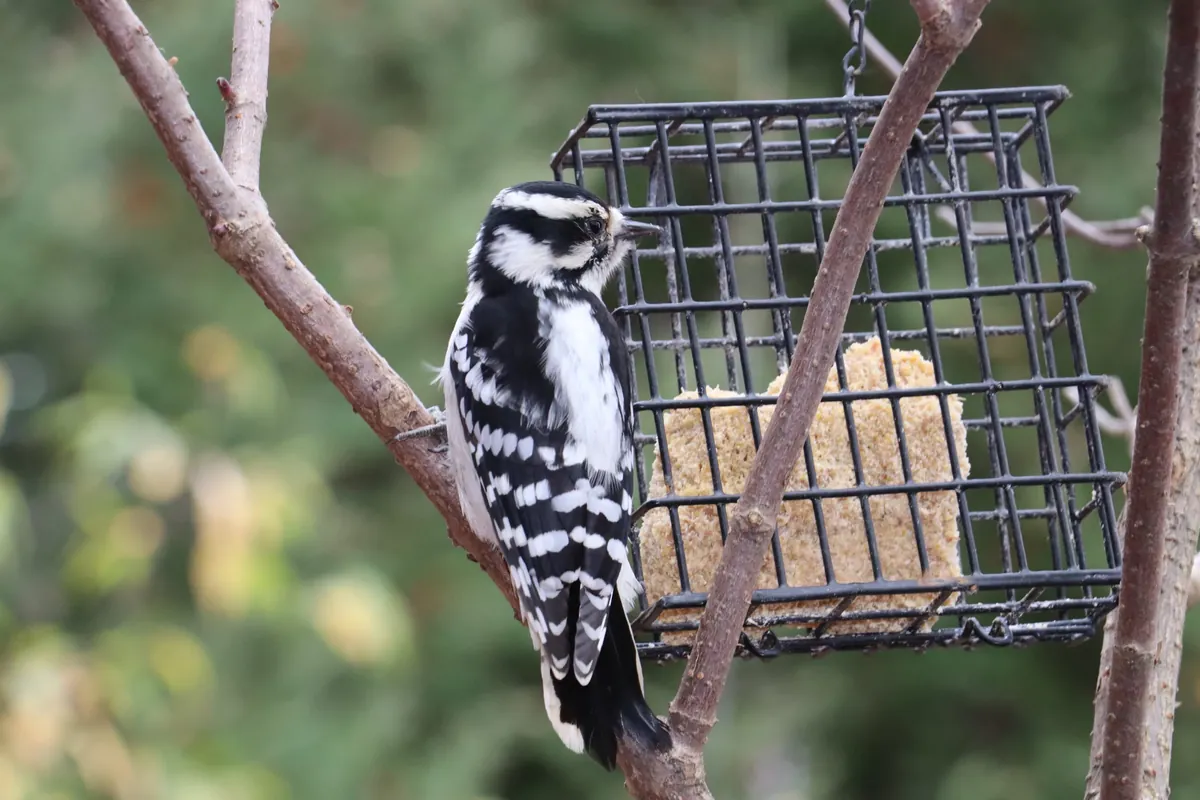
The Downy Woodpecker, at about 6 to 7 inches long, is the smallest woodpecker in North America, though it is not the smallest in the world.
The world's smallest woodpecker is the bar-breasted piculet of South America, which measures only about 3 inches (7.5 cm) long.
The Great Slaty Woodpecker of South and Southeast Asia, at up to 23 inches long, is generally considered the largest living woodpecker.
The Ivory-billed Woodpecker, roughly 20 inches long, is one of the largest woodpeckers ever recorded, but its status in the wild remains uncertain and it may be extinct.
Woodpeckers have strong, chisel-like beaks that they use to drill into wood in search of insects and to excavate nest cavities.
A woodpecker's tongue can be several inches long and, in many species, wraps around the back of the skull when not extended, which helps cushion the brain.
Most woodpeckers have zygodactyl feet, with two toes pointing forward and two pointing backward, which helps them grip vertical tree trunks.
Woodpeckers are mostly insectivorous but also eat fruit, nuts, seeds, tree sap, and sometimes small vertebrates or eggs.
Woodpeckers drum on trees, and sometimes on metal surfaces, to communicate with other woodpeckers and to mark territory rather than only to find food.
Woodpecker drumming can carry for a considerable distance through forest, though claims of it carrying a full mile depend heavily on species and conditions.
Woodpeckers have several skull adaptations, including spongy bone and a flexible hyoid apparatus, that help absorb and redirect the shock of repeated pecking.
Several species, such as the Red-bellied Woodpecker and the Pileated Woodpecker, have bright red crests or patches that make them easy to identify.
Many woodpecker species form monogamous pairs during the breeding season, and some pairs remain together across multiple seasons.
Male woodpeckers often drum and call to attract mates and to defend territory from rivals.
Woodpeckers can wedge food, such as nuts or insects, into bark crevices to eat later.
Woodpeckers benefit forest ecosystems by controlling wood-boring insect populations and by creating tree cavities later used by owls, other birds, and small mammals.
The Acorn Woodpecker stores acorns in holes it drills into trees, utility poles, and other wooden structures, creating communal caches called granaries.
The Northern Flicker is unusual among North American woodpeckers for often feeding on the ground, especially on ants.
Woodpeckers live in a wide range of habitats, including forests, deserts, and urban parks and neighborhoods.
Arizona's official state bird is the Cactus Wren, not the Gila Woodpecker, though the Gila Woodpecker is a common and important species in the Sonoran Desert.
The Red-headed Woodpecker, known for its solid crimson head, is found across the central and eastern United States.
The Hairy Woodpecker closely resembles the Downy Woodpecker but is larger overall and has a proportionally longer bill.
Frequently asked questions
How do woodpeckers protect their brains while drilling?
Woodpeckers have spongy bone in parts of the skull and a flexible tongue-and-hyoid apparatus that wraps around the skull, both of which help absorb and dissipate the shock of repeated pecking.
What do woodpeckers eat?
Most woodpeckers are primarily insectivorous, eating wood-boring beetle larvae, ants, and other insects, but many also eat fruit, nuts, seeds, and tree sap.
Are woodpeckers monogamous?
Many woodpecker species form monogamous pairs during breeding season, and some pairs stay together across multiple years, though this varies by species.
What is the purpose of woodpecker drumming?
Drumming is primarily used to communicate with other woodpeckers, attract mates, and establish or defend territory, rather than to search for food.
What is the smallest woodpecker?
The bar-breasted piculet of South America, at about 3 inches long, is considered the world's smallest woodpecker. The Downy Woodpecker is the smallest woodpecker in North America.
What is the largest woodpecker?
The Great Slaty Woodpecker of Asia, at up to 23 inches long, is generally considered the largest living woodpecker species. The now-likely-extinct Imperial Woodpecker of Mexico was larger still.
We write every article to be genuinely fun — and genuinely true. Each fact is checked against reputable sources before it goes live. Spotted something off? Tell us and read our fact-check policy.